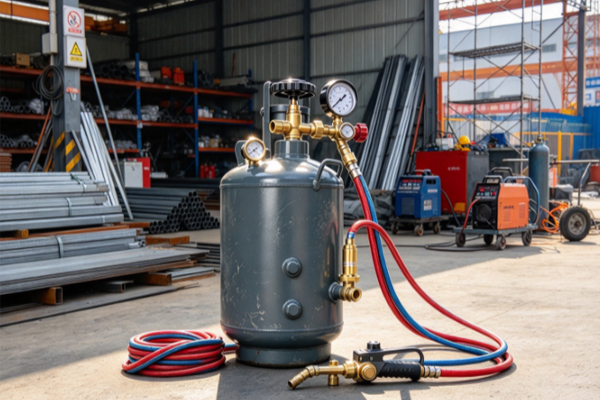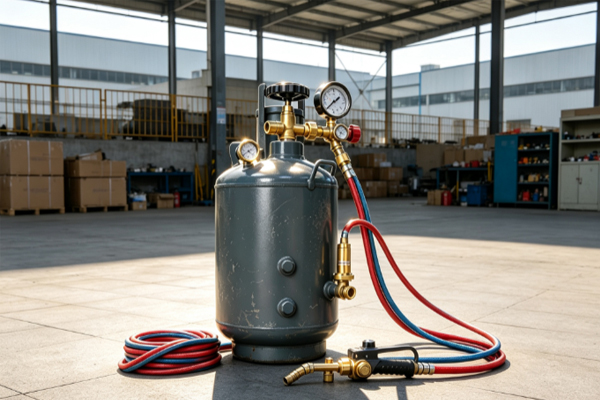
Acetylene cylinders are widely used in welding, cutting, and metal fabrication, but they contain highly flammable gas that requires strict safety protection during operation. Improper handling or insufficient protection may lead to gas leaks, flashback, or even fire hazards. Safety protection is not only about protecting the equipment but also about ensuring operator safety. A proper protection system must combine equipment characteristics, working conditions, and operating procedures to reduce risks at the source.
Working Principle of Safety Protection for Acetylene Cylinders
Acetylene is stored in cylinders in a dissolved state within a porous material using acetone, allowing it to remain stable under pressure. When the valve is opened, the gas is released through a pressure regulator and delivered to the torch or cutting equipment. Due to acetylene’s high flammability and wide explosive range, any pressure instability or leakage can create dangerous conditions. Therefore, a pressure regulator is used to maintain stable output pressure, while sealing structures, flashback arrestors, and proper connection methods help reduce external interference. The core principle of safety protection is to control gas release so that it remains stable and manageable throughout the process.
Practical Value of Safety Protection in Acetylene Cylinder Use
Proper safety protection significantly reduces the risk of gas leaks, flashback, and flame instability during operation while improving overall welding and cutting stability. In industrial environments, safety measures also extend the service life of regulators, hoses, and torches. A well-implemented protection system improves gas utilization efficiency and reduces waste, making operations smoother and more controllable. In long-term industrial production, stable safety management reduces downtime caused by inspections or accidents and improves overall productivity.
Key Advantages of Acetylene Cylinder Safety Protection
In real operations, the level of safety protection directly determines operational safety and equipment stability. A strong protection system reduces sudden risks while improving workflow continuity.
Key advantages include:
- Reduced gas leakage risk:Sealed connections and pressure control reduce leaks caused by loose or aging fittings, ensuring stable gas delivery.
- Lower risk of flashback and combustion accidents:Flashback arrestors and stable gas flow prevent flame reversal into the system.
- Extended equipment lifespan:Stable operating conditions reduce wear on regulators and hoses, improving durability.
- Improved operational continuity:Stable gas supply reduces interruptions in welding and cutting processes.
With these protections in place, overall system safety and stability are significantly improved.
Common Application Scenarios and Risk Conditions
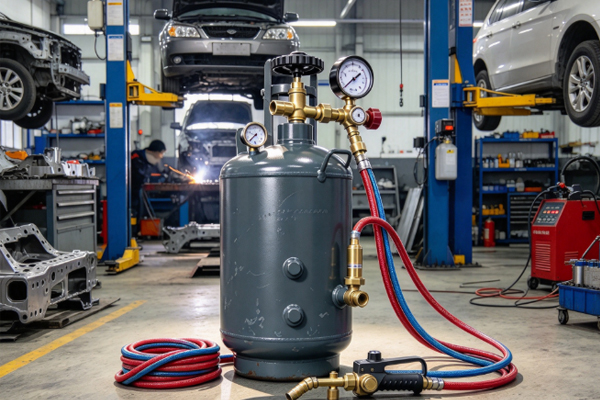
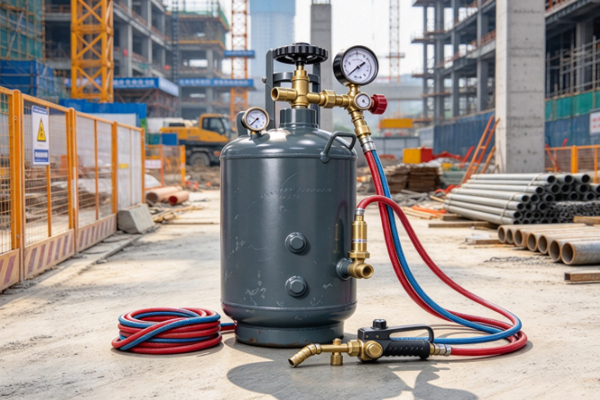
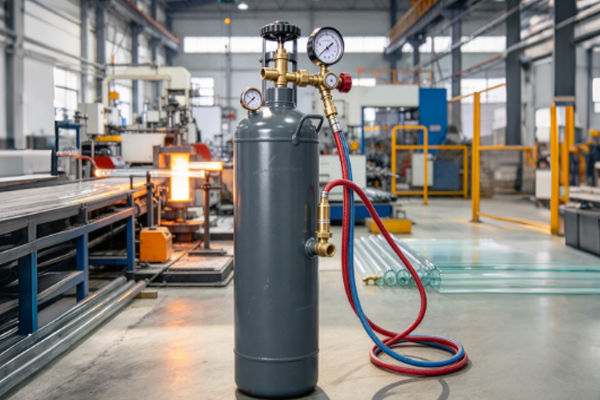
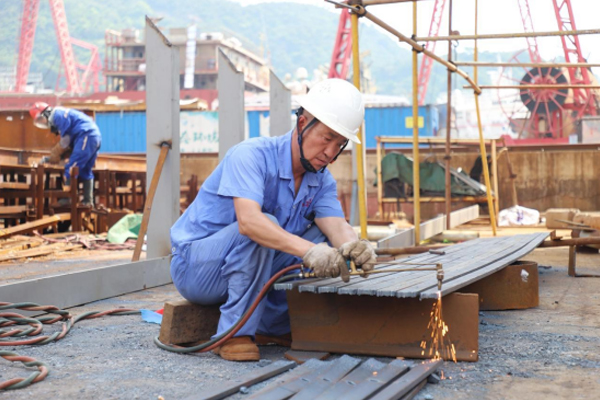
Acetylene cylinders are commonly used in structural steel fabrication, automotive repair, shipbuilding, pipeline construction, and mechanical maintenance. In high-temperature welding environments, sparks and heat sources increase safety risks if protection is insufficient. On outdoor construction sites, exposure to sunlight and temperature fluctuations may cause pressure instability. In enclosed workshops, poor ventilation can allow leaked gas to accumulate, creating hazardous conditions. Different environments require adjusted safety measures to ensure safe operation under varying conditions.
Safe Operating Practices for Acetylene Cylinder Protection
Proper operation is a critical part of the safety protection system. Standard procedures help reduce human error and minimize operational risks. Each step must be performed carefully to ensure system safety.
Recommended practices include:
- Wear complete personal protective equipment:Use gloves, fire-resistant clothing, protective goggles, and face shields to reduce heat and spark exposure.
- Maintain good ventilation:Ensure airflow in the working area to prevent gas accumulation.
- Check connection sealing:Use soapy water to detect leaks at joints by observing bubble formation.
- Follow correct opening and closing procedures:Open the cylinder valve slowly to avoid pressure shock, and shut down the system in proper sequence after use.
- Inspect safety devices regularly:Periodically check regulators, flashback arrestors, and hoses, and replace worn components in time.
By following these practices, risks during acetylene cylinder use can be effectively controlled, significantly improving overall operational safety.