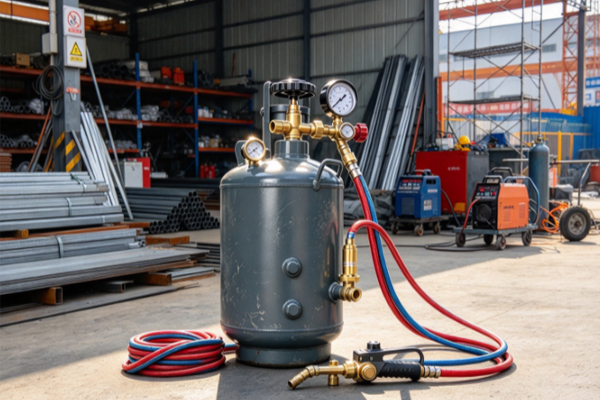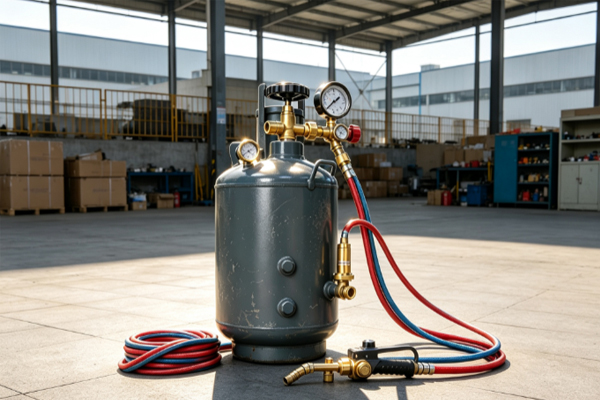
Acetylene cylinders are widely used in welding, flame cutting, machinery manufacturing, structural steel fabrication, and many other industrial applications. The safety valve is one of the most important safety components in the gas supply system. When abnormal pressure develops inside the cylinder, the safety valve automatically performs a protective function by relieving excess pressure and reducing the risk of equipment damage. Understanding the purpose, operating principle, and proper use of the safety valve helps improve equipment reliability, maintain stable gas supply, and enhance workplace safety.
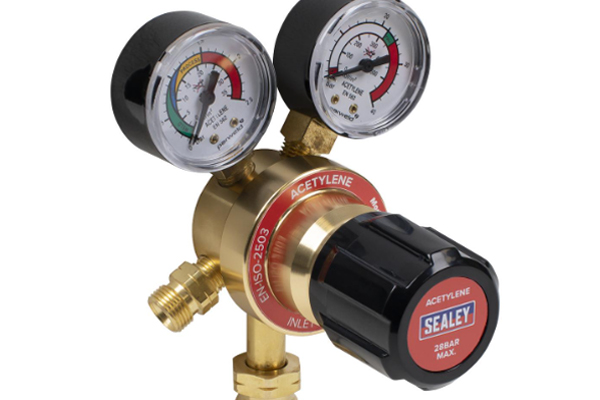
How an Acetylene Cylinder Safety Valve Works
Acetylene gas is stored inside the cylinder in a dissolved state within acetone contained in a porous filler material. During normal operation, the gas passes through the pressure regulator before being delivered to the welding torch or cutting equipment. If the cylinder is exposed to excessive heat, abnormal pressure increases, or other unexpected operating conditions, the safety valve automatically opens when the preset pressure is reached, releasing excess pressure from the cylinder. Once the pressure returns to a safe operating level, the valve closes automatically. Unlike the pressure regulator, which controls working pressure during normal operation, the safety valve is designed specifically to protect the cylinder and the entire gas supply system during abnormal pressure conditions.
The Importance of the Safety Valve
The safety valve is more than a protective accessory—it is an essential component that helps maintain the long-term reliability of the acetylene gas supply system. A properly functioning safety valve responds quickly whenever internal pressure exceeds the allowable limit, reducing the possibility of cylinder damage and minimizing safety risks. It works together with pressure regulators, flashback arrestors, and other safety devices to maintain stable system performance. During continuous welding and cutting operations, a reliable safety valve reduces unexpected downtime, improves equipment efficiency, and extends the service life of cylinders and related accessories.
Main Functions of an Acetylene Cylinder Safety Valve
The safety valve continuously protects the gas supply system throughout normal operation. Understanding its primary functions helps operators use acetylene equipment more safely and effectively.
The safety valve performs the following important functions:
- Automatically relieves excessive pressure:When internal cylinder pressure exceeds the preset limit, the safety valve opens automatically to release excess pressure and reduce system stress.
- Protects the cylinder structure:Prevents prolonged exposure to excessive pressure, helping preserve the structural integrity of the cylinder.
- Maintains stable gas supply operation:Works together with the pressure regulator and other safety accessories to support consistent system performance.
- Reduces equipment damage:Provides protection when ambient temperatures rise or pressure fluctuations occur unexpectedly.
- Improves workplace safety:Adds an extra layer of protection for welding, cutting, and other industrial gas applications.
Keeping the safety valve properly installed and in good operating condition significantly improves the reliability and safety of the complete acetylene gas system.
Common Applications of Acetylene Cylinder Safety Valves
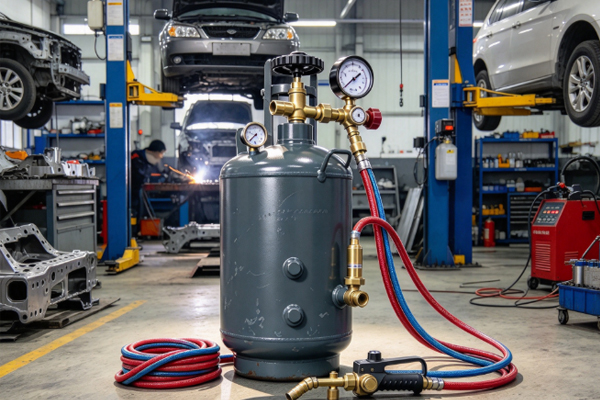
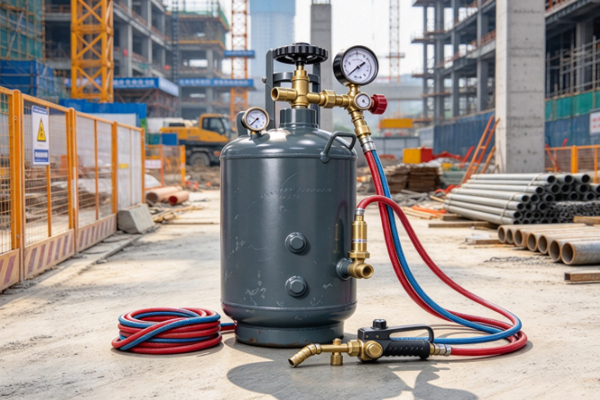
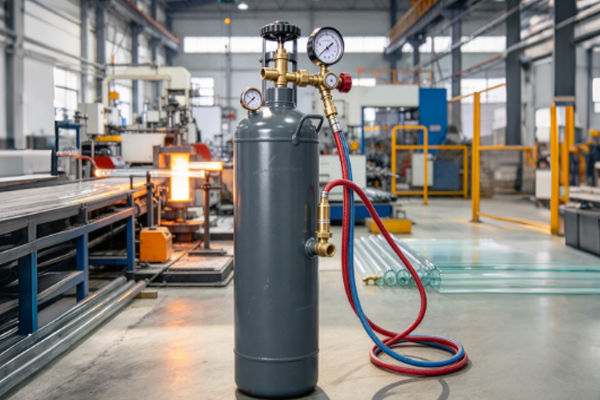
Safety valves are used in a wide variety of industries, including structural steel fabrication, machinery manufacturing, automotive repair, shipbuilding, pressure vessel production, pipeline installation, and construction projects. In high-temperature welding workshops, safety valves help reduce risks caused by increasing cylinder pressure. On outdoor construction sites, they continue to provide protection despite changing weather conditions and direct sunlight. In automated production lines operating for extended periods, safety valves continuously protect the gas supply system by responding to abnormal pressure conditions. Although working environments differ, the safety valve remains an essential component for safe and reliable gas system operation.
Daily Inspection and Maintenance of Acetylene Cylinder Safety Valves
A safety valve can only provide effective protection when it is maintained in proper working condition. Routine inspection and preventive maintenance help ensure reliable long-term performance.
The following maintenance practices are recommended:
- Inspect the external condition:Check for corrosion, cracks, deformation, or any visible damage.
- Ensure secure installation:Verify that the safety valve remains tightly connected and properly sealed.
- Do not modify or disassemble the valve:Never adjust the opening pressure or alter the valve structure without proper authorization.
- Perform regular functional inspections:Follow scheduled maintenance procedures to confirm that the safety valve operates correctly.
- Keep the valve clean:Remove dust and debris regularly to prevent contamination from affecting valve performance.
By following proper inspection and maintenance procedures, the safety valve can continue to provide dependable protection, allowing the acetylene gas supply system to operate safely, efficiently, and reliably during welding, cutting, and metal fabrication.