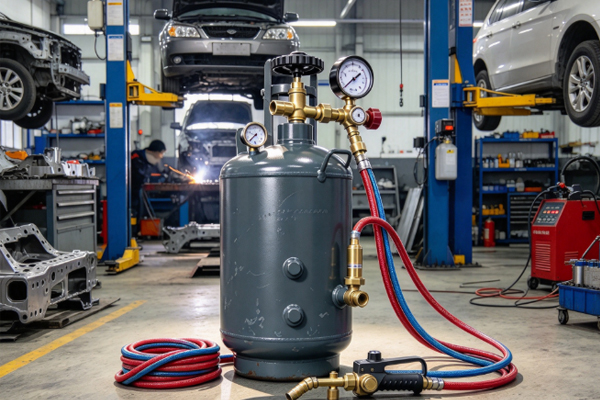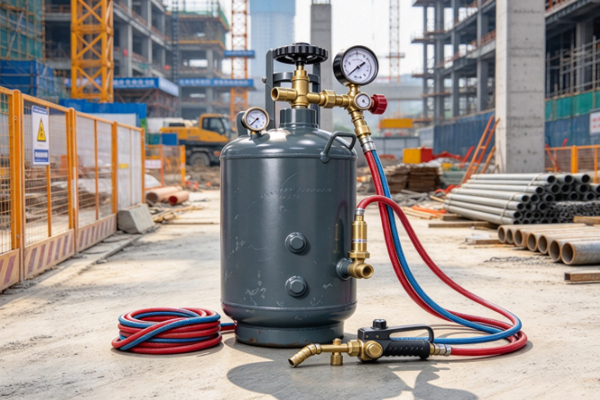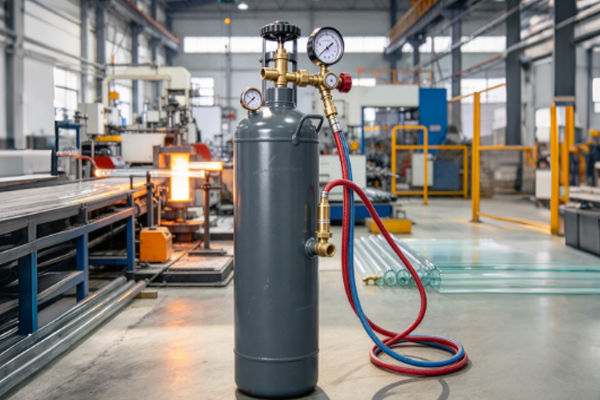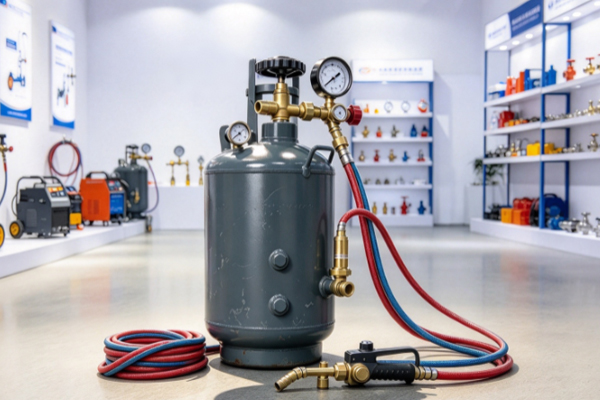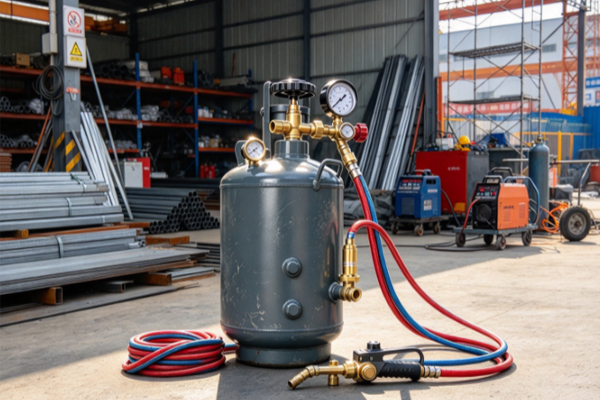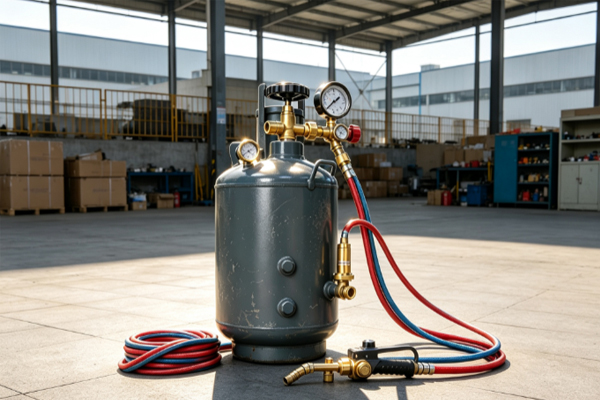
Acetylene tanks are commonly used in high-intensity work scenarios such as hardware processing, scrap steel cutting, equipment maintenance, and industrial welding, making them a typical high-risk gas supply device. The installation process may seem simple, but what truly determines whether the system can operate stably and safely afterward is often the pressure test. In real-world operations, many sites compress the inspection process in order to meet deadlines, or even skip it entirely, assuming that the system can be put into use as long as the connections are made. The reality is not that simple. Acetylene itself is highly flammable, and if the system has sealing defects, insufficient pressure resistance, or mismatched components, safety incidents may quickly develop during later operation. A pressure test is not an optional add-on; it is a mandatory safety verification step after installation.
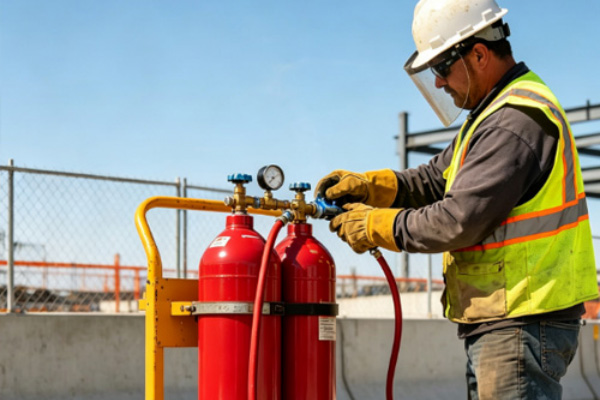
What Direct Risks Can Arise If No Pressure Test Is Performed?
When an acetylene system is put into use without a pressure test, problems usually do not appear immediately, but gradually emerge during operation.
Small Leaks Are Hard to Detect in Time
Tiny gaps that cannot be seen with the naked eye are often the starting point of later risks.
- If the connection is not properly sealed, gas may continue to leak at a low concentration, making it difficult for on-site personnel to notice right away.
- If the pipeline has fine cracks, the initial signs may not be obvious, but they can gradually expand under continuous gas supply.
- If the valve has internal wear or aging, the leak point may be hidden inside the equipment, making it difficult to detect through visual inspection alone.
These hidden dangers are easy to overlook without testing, and by the time they become apparent, they often already affect the safety of the entire system.
Pressure Resistance Cannot Be Confirmed
The core purpose of a pressure test is to verify whether the system can operate safely within the required range over the long term.
- Whether the pipeline will deform, loosen, or fail under high pressure must be judged through test data, not by experience alone.
- If the pressure resistance rating of the fittings is insufficient, they may appear normal in the short term but loosen or rupture during prolonged use.
- If the pressure regulator does not match the system, pressure fluctuations will become more pronounced, affecting the stability of the entire gas supply chain.
Without test data, system risks cannot be accurately assessed, and later use lacks a reliable basis.
The Core Role of Pressure Testing in an Acetylene System
Pressure testing is not just an inspection procedure; it is an important step in confirming the safety of the entire system.
Verifying Sealing Performance
The sealing condition determines whether gas can be transported stably and is also related to the basic safety of the system. Checking whether each connection point is tight can help identify looseness, misalignment, or insufficient sealing material in time; confirming whether the valve closes reliably can determine whether there is abnormal discharge during shutdown; and locating persistent leak points helps quickly identify problem areas, reducing repeated disassembly and blind repairs. When the sealing stage is properly checked, the acetylene system will operate more safely and more stably.
Confirming Equipment Pressure Resistance
The system must operate within its design range and cannot rely solely on on-site experience to judge whether it is usable.
- Whether the pipeline pressure resistance meets the standard determines whether the system can remain intact under normal supply and fluctuating conditions.
- Whether the fittings comply with standards directly affects the reliability of the connection points under long-term vibration and pressure changes.
- Whether the valve body structure is stable is related to the safety performance of the entire gas supply system during startup and shutdown.
Only after verification can the acetylene system truly enter a safe operating state rather than remaining at the level of “it seems usable.”
Exposing Installation Defects
The testing process can also help identify installation problems and intercept hidden dangers before the system is put into use.
- When the connection method is incorrect, pressure changes often reveal issues such as poor interface fit, weak sealing, or reversed direction.
- When component specifications are inconsistent, the system may show abnormal pressure, unstable connections, or localized leakage during testing.
- When tightening is insufficient, the issue may not be obvious during static inspection, but it often becomes apparent quickly once pressure is applied.
If these problems can be exposed in time during testing, the safety risks during later operation will be significantly reduced.
Differences in Results Between Performing and Skipping Pressure Tests
Different handling methods directly affect system stability and safety level, and the difference is not just about how long the process takes.
Condition After a Complete Test
The value brought by a pressure test often becomes evident gradually during actual operation.
- The system runs more smoothly, pressure output is easier to keep within a reasonable range, and equipment coordination becomes more seamless.
- Leak risk is lower, allowing on-site managers to detect abnormalities earlier and respond in time.
- The probability of failure drops significantly, as many issues that might have occurred during operation are eliminated in advance during testing.
- Later maintenance pressure is reduced, equipment condition is clearer, and repairs become more targeted.
These changes may seem subtle, but they directly affect the safety, stability, and long-term performance of the acetylene tank.
Condition After Skipping the Test
Hidden dangers are difficult to expose in time, and many problems are carried into formal production, increasing uncontrollable factors. Pressure fluctuations become more obvious, and once gas supply stability declines, cutting and welding results are affected. The probability of accidents rises, especially in high-temperature, high-pressure, and enclosed environments, where risks are further amplified. Maintenance costs are higher, and once a failure occurs, shutdown and troubleshooting are often required, disrupting production schedules. When pressure testing is properly performed, the safety and stability of the acetylene tank after installation are much better guaranteed.
Limitations of Replacing Testing with Simple Checks
Simple checks can only identify surface-level problems and cannot determine how the system performs under real pressure conditions, cannot verify pressure resistance limits, and many potential risks may be hidden by a “looks normal” state. They also cannot replace professional testing. Especially in an acetylene system, which is a high-risk gas system, experiential judgment is far from sufficient. Standard pressure testing is much more effective in confirming the safety and stability of the acetylene tank after installation.
Common Mistakes in Acetylene Tank Installation and the Standard Process
In on-site installation, skipping the pressure test is often accompanied by other non-standard behaviors, and these issues combined create even greater risks.
Putting the Equipment into Use Immediately After Installation
Starting operation as soon as the equipment is installed may seem time-saving, but the risks are high.
- If no leak inspection is performed, it is impossible to confirm whether there are tiny leak points inside the system.
- If no pressure stabilization observation is carried out, there is no basis for knowing whether the pressure will drop in a short period of time.
- If the sealing condition of the system is not confirmed, the entire gas supply chain remains uncertain.
Once a complete inspection is finished and all indicators are confirmed normal, the acetylene tank can be put into use more safely.
Relying on Experience for Judgment
Some sites are accustomed to judging equipment status by feel, but this approach is not reliable in an acetylene system.
- Thinking that “it looks fine” does not mean the system is truly safe, since many hidden dangers are concealed inside.
- Ignoring hidden risks allows small problems to accumulate and eventually erupt during operation.
- Without inspection evidence, it is also difficult to quickly locate the cause when a failure occurs later.
Acetylene tank installation cannot rely solely on experience; standardized inspection is the key to ensuring safe operation.
Mixing Components of Different Specifications
Inconsistent components will make the test results meaningless and greatly reduce system stability.
- If interface specifications do not match, the connection points are prone to looseness, mismatch, or poor sealing.
- Different sealing standards can lead to obvious differences in localized pressure resistance, making the overall system performance unstable.
- If pressure resistance ratings differ, some parts may fail prematurely during normal use, creating hidden dangers.
Only by unifying component specifications and completing the pressure test can the acetylene tank system truly enter a safe and usable state.
Standard Procedure for Pressure Testing
Scientific testing can effectively reduce the operating risks of an acetylene system and provide stronger assurance for installation results.
- Check all connection points to confirm that there are no obvious abnormalities between the fittings, valves, and pipelines.
- Increase pressure in stages to avoid misjudgment or equipment damage caused by rapid pressurization.
- Observe pressure changes and record stability performance to determine whether the system has slow leakage.
- Maintain constant pressure and continue observing for a period of time to confirm that there is no obvious downward trend.
- Only after confirming that there is no leakage trend should the system enter the formal use stage; this makes the entire process more complete.
Although this step does not take long, it provides critical protection for later safe operation.
During acetylene tank installation, pressure testing is not an optional step but a fundamental part of ensuring safe system operation. Skipping the test may save a little time, but it also shifts the risk into later production and magnifies it. For enterprises pursuing stable output and strong safety management, standardized inspection is far more important than post-incident repair. Zhongcheng Gas Tank provides professional acetylene tanks and industrial gas system solutions, helping businesses build a safer and more stable working environment.