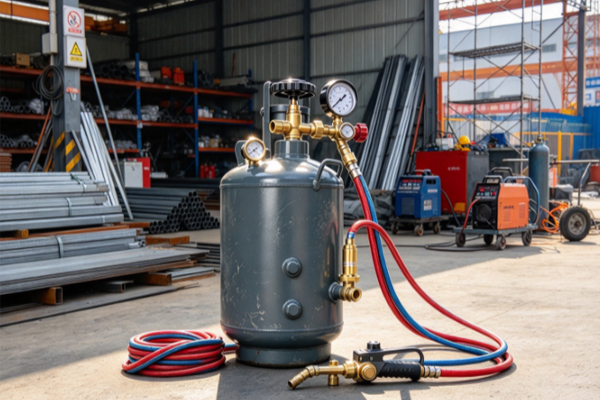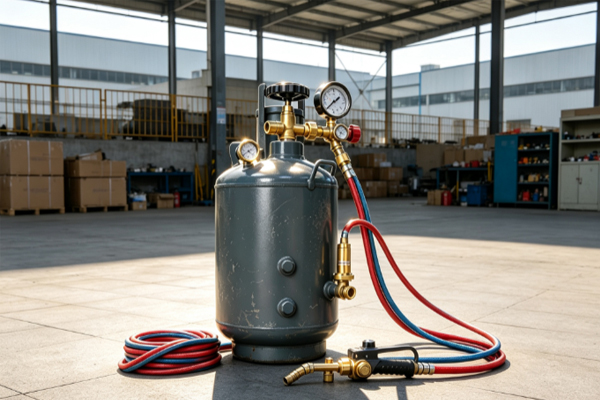
Acetylene cylinders are widely used in industrial welding, flame cutting, and metal fabrication processes. Safe operation depends on regular inspection and proper maintenance. During long-term use, transportation, and storage, cylinders may be affected by temperature changes, mechanical impact, and aging of accessories. Regularly checking the cylinder body, valve performance, connection components, and storage conditions helps identify potential problems early and prevents equipment failures from affecting production. Establishing a proper inspection routine improves acetylene cylinder reliability and extends the service life of the cylinder and related accessories.
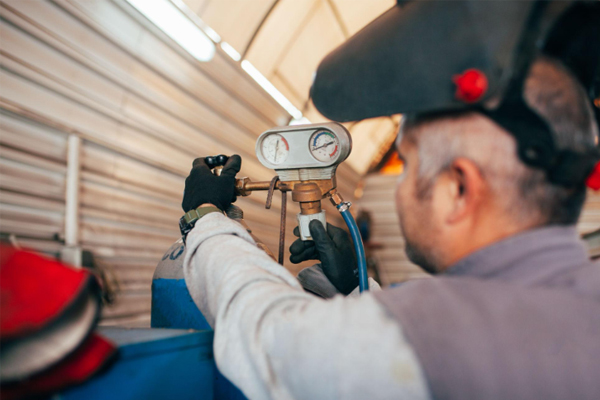
Working Principle and Importance of Daily Acetylene Cylinder Inspection
Acetylene cylinders use dissolved acetylene storage technology, where porous filler material and acetone are used to keep acetylene gas stored in a stable condition inside the cylinder. During operation, acetylene gas is released through the cylinder valve, regulated by a pressure regulator, and delivered to welding or cutting equipment. The main purpose of daily inspection is to confirm that the cylinder structure, storage condition, and gas supply components remain in proper working condition, allowing gas to flow safely and consistently according to the designed process.
During daily use, cylinders may be affected by temperature changes, transportation vibration, and working environments. Components such as valves, seals, and hoses may also experience natural wear over time. Regular inspection helps detect corrosion, leaks, pressure abnormalities, and other issues before they develop into serious problems. A standardized inspection process allows operators to understand equipment conditions and provides a more stable gas supply for welding and cutting operations.
The Value of Regular Acetylene Cylinder Inspection
Daily inspection of acetylene cylinders improves equipment reliability and reduces production interruptions caused by gas leaks, damaged accessories, or abnormal pressure conditions. In industrial environments, stable gas supply directly affects welding quality and processing efficiency. Timely maintenance and inspection help reduce unexpected equipment downtime.
Regular inspection also helps companies establish effective equipment management procedures. By recording inspection dates, detected issues, and maintenance activities, operators can arrange future service more efficiently. Maintaining acetylene cylinders in good condition reduces unnecessary accessory replacement, improves operational efficiency, and increases the economic value of the equipment.
Daily Inspection Items for Acetylene Cylinders
Acetylene cylinder inspection is not limited to checking the external appearance. A complete inspection should include the cylinder structure, accessories, and operating environment. Thorough inspection helps identify potential problems and ensures stable long-term operation.
The following items should be checked regularly:
- Inspect the cylinder body condition:Check whether the cylinder surface has dents, cracks, severe corrosion, or impact damage. Clear identification markings are also important for confirming cylinder condition.
- Check valve operating performance:Confirm that the cylinder valve opens and closes smoothly, and inspect the valve area for possible gas leakage.
- Inspect the pressure regulator and gauge:Ensure the regulator is securely connected and the pressure gauge provides accurate readings to maintain proper welding and cutting performance.
- Check the gas hose condition:Examine hoses for cracks, hardening, swelling, or damaged connections. Replace hoses immediately when signs of aging appear.
- Check connection sealing performance:Inspect valve connections, regulator joints, and other connection points to ensure there is no gas leakage during operation.
- Inspect the storage environment:Confirm that the storage area is well ventilated and that cylinders are kept away from flames, excessive heat, and potential impact sources.
Completing these inspection procedures improves operational safety and reduces the possibility of unexpected problems during use.
Inspection Priorities in Different Working Environments
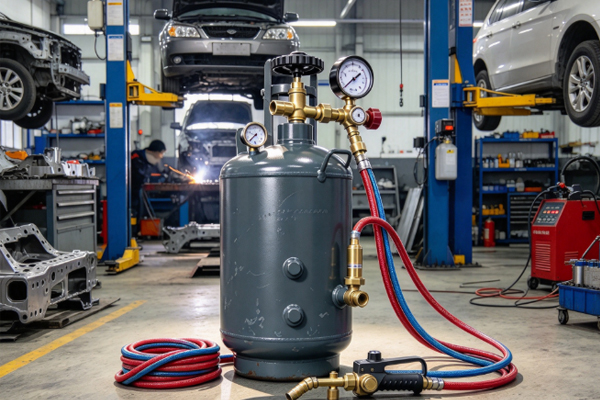
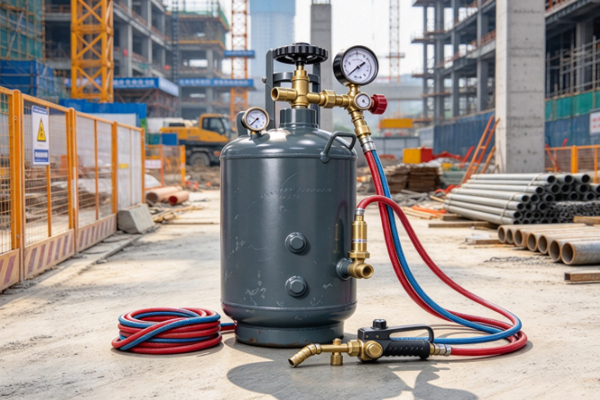
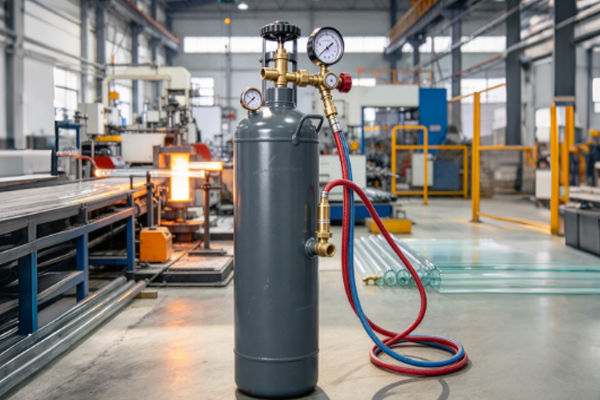
Acetylene cylinders are used in various environments, including machinery workshops, automotive repair facilities, construction sites, and steel fabrication plants. Each working environment has different temperature conditions, humidity levels, dust exposure, and usage frequency, which influence maintenance requirements. In industrial workshops, acetylene cylinders are often used for extended periods, so special attention should be given to valves, pressure regulators, and gas delivery hoses. Outdoor construction sites require additional protection against direct sunlight, high temperatures, and moisture exposure. Automotive repair facilities often involve frequent equipment movement, making connection components and hose conditions important inspection targets. Large manufacturing plants usually focus on scheduled maintenance programs and detailed inspection records to ensure continuous and stable production. Developing inspection plans based on specific working conditions helps acetylene cylinders maintain better performance and improves their adaptability in different applications.
Maintenance and Management Methods After Acetylene Cylinder Inspection
After completing daily inspections, proper maintenance and management are still necessary. Good maintenance practices help extend the service life of acetylene cylinders and accessories while reducing operational risks.
Recommended management practices include:
- Keep inspection records:Record inspection dates, equipment conditions, and discovered issues to support future maintenance planning.
- Handle abnormal conditions promptly:Stop using the equipment and perform necessary checks when gas leakage, abnormal pressure, or damaged accessories are detected.
- Keep accessories clean:Regularly remove dust and contaminants from valves, regulators, and connection points to maintain proper performance.
- Manage storage locations properly:Store acetylene cylinders in designated areas and maintain safe distances from incompatible materials or hazardous sources.
- Replace aged components regularly:Inspect seals, hoses, and other wear parts, replacing them when they reach their service limit or show signs of damage.
Through continuous inspection and maintenance, acetylene cylinders can maintain stable gas supply performance during welding, cutting, and industrial fabrication operations, providing safer and more reliable support for production activities.