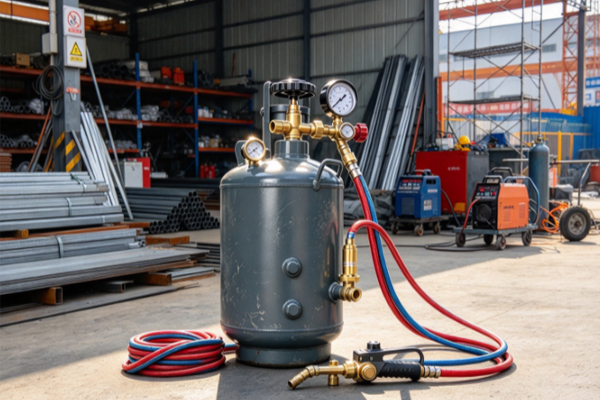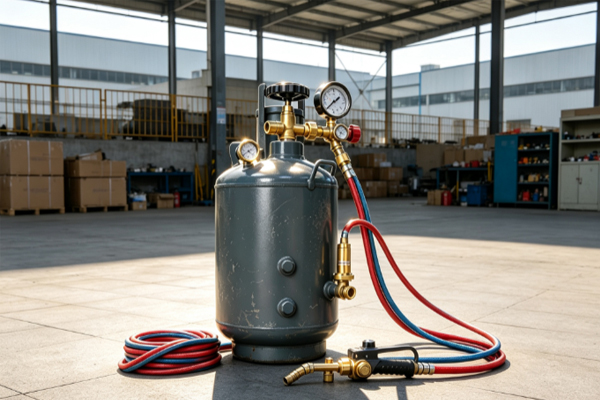
Acetylene cylinders are widely used in welding, flame cutting, machinery manufacturing, construction, and metal fabrication. As containers for flammable gas, they must be stored according to established safety requirements. In addition to proper transportation and operation, maintaining appropriate storage distances is essential for reducing risks associated with heat sources, open flames, and other potential hazards. Understanding storage distance requirements and implementing proper storage management helps improve workplace safety while ensuring a stable and reliable gas supply.
The Basis for Acetylene Cylinder Storage Distance Requirements
Acetylene is a highly flammable gas stored inside the cylinder using porous filler material and acetone. Because of its unique storage method, the surrounding environment must comply with applicable safety regulations. Maintaining appropriate separation distances helps protect cylinders from excessive heat, open flames, electrical sparks, and other ignition sources. Elevated temperatures can increase internal cylinder pressure, making correct storage locations especially important.
In practical applications, storage arrangements should comply with local regulations, industry standards, and workplace safety procedures. Acetylene cylinders should be kept away from welding areas, open flames, electrical equipment, and any location where sparks may be generated. They should also be separated from oxygen cylinders in accordance with applicable regulations or workplace safety requirements. Proper storage planning supports good ventilation and contributes to a safer working environment.
The Value of Maintaining Proper Storage Distances
Keeping acetylene cylinders at appropriate safety distances helps minimize the influence of nearby heat sources and ignition hazards, allowing the cylinders to remain in stable operating condition. Proper storage conditions help reduce abnormal pressure changes, slow the aging of cylinder accessories, and extend overall equipment service life.
For industrial facilities, organized storage layouts also improve workplace management by making cylinders easier to identify, inspect, and access when needed. Clearly arranged storage areas simplify daily maintenance and allow faster emergency response if an unexpected situation occurs. Following proper storage practices supports safe welding, cutting, and metal fabrication operations while improving overall workplace efficiency.
Important Storage Distance Requirements for Acetylene Cylinders
Storage distance requirements not only improve cylinder safety but also contribute to better workplace organization. Establishing standardized storage procedures helps reduce hazards caused by environmental conditions.
The following recommendations should be considered:
- Keep cylinders away from heat sources and open flames:Store acetylene cylinders away from welding sparks, heating equipment, furnaces, and any other sources of excessive heat to prevent pressure increases inside the cylinder.
- Maintain proper separation from oxygen cylinders:Follow local regulations, industry standards, or workplace safety procedures regarding the required separation distance. Where sufficient distance cannot be maintained, approved fire-resistant barriers should be used.
- Provide adequate ventilation:Store cylinders in well-ventilated areas to prevent the accumulation of gas in enclosed spaces.
- Avoid locations near electrical equipment:Keep cylinders away from electrical devices that may generate sparks or excessive heat during operation.
- Leave sufficient access space:Maintain enough clearance around cylinders to allow safe transportation, inspection, maintenance, and emergency handling.
Following these storage recommendations improves safety management and helps keep acetylene cylinders in reliable operating condition.
Storage Requirements in Different Application Environments
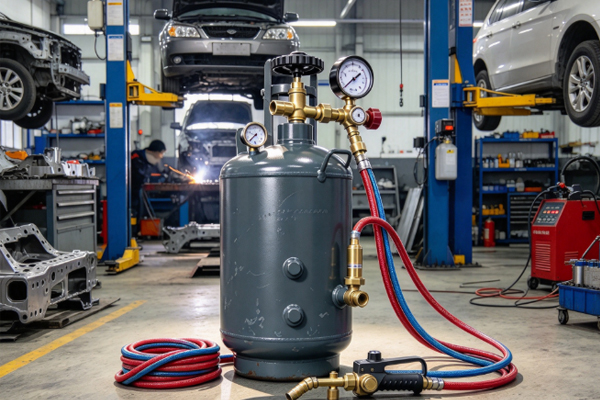
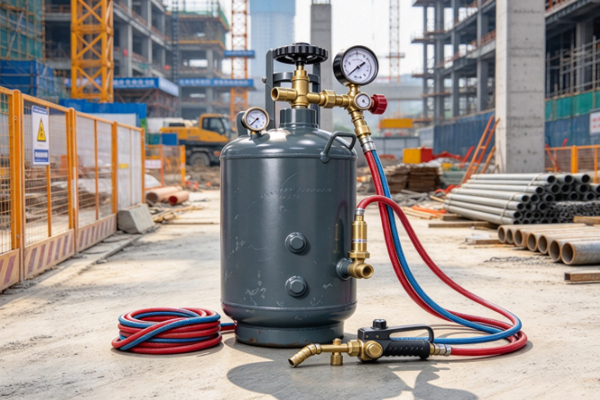
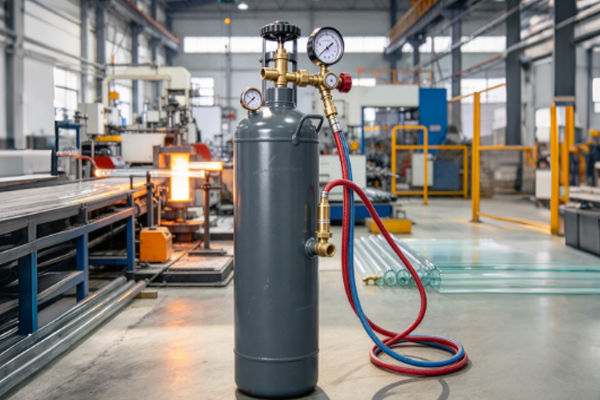
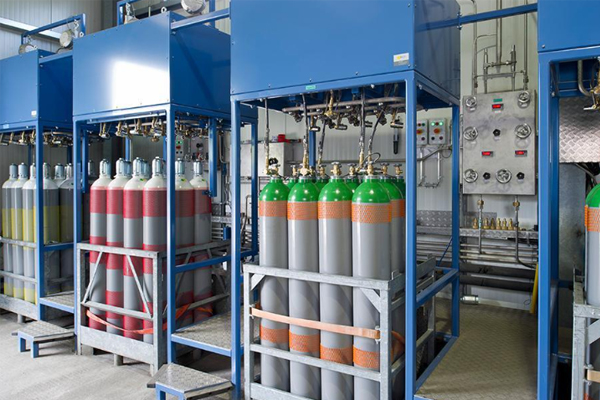
Acetylene cylinders are commonly used in machinery manufacturing, structural steel fabrication, automotive repair, shipbuilding, and construction projects. Each working environment requires specific storage practices. Large manufacturing facilities often provide dedicated cylinder storage areas equipped with fixed racks, protective barriers, and clear safety signs to support centralized management. On construction sites, cylinders should be placed on stable, level surfaces, secured against tipping, and positioned away from busy traffic routes and heavy equipment. Automotive repair workshops should maintain good natural or mechanical ventilation while keeping cylinders away from spray-painting areas, welding stations, and other heat-producing equipment. Shipbuilding facilities and outdoor projects may also require additional protection from direct sunlight, rain, and excessive moisture to ensure cylinders remain in safe operating conditions throughout their service life.
Daily Management After Acetylene Cylinder Storage
Proper storage is only one part of safe cylinder management. Continuous inspection and maintenance are equally important for maintaining long-term performance and operational safety.
Recommended daily management practices include:
- Inspect the storage area regularly:Check for excessive heat, standing water, accumulated debris, or any conditions that could affect cylinder safety.
- Secure cylinders properly:Use chains, brackets, or other approved restraints to prevent cylinders from falling or being struck.
- Inspect valves and accessories:Regularly examine cylinder valves, pressure regulators, and fittings to ensure they remain secure and leak-free.
- Install clear safety signage:Display warning signs such as “No Smoking” and “Flammable Gas” to improve workplace safety awareness.
- Maintain inspection records:Record inspection dates, cylinder conditions, and maintenance activities to support ongoing equipment management.
By combining proper storage distances with consistent daily management, acetylene cylinders can continue providing a safe, stable, and reliable gas supply for welding, cutting, and industrial manufacturing applications.