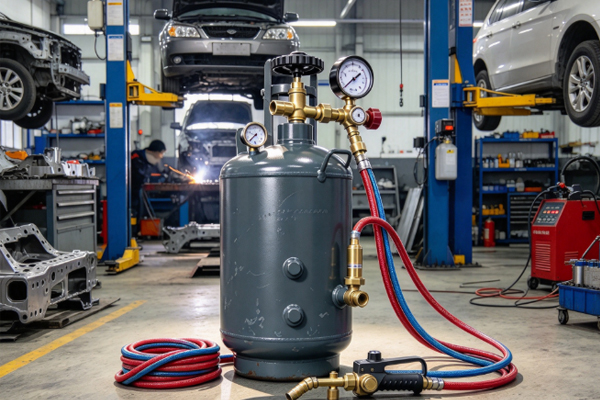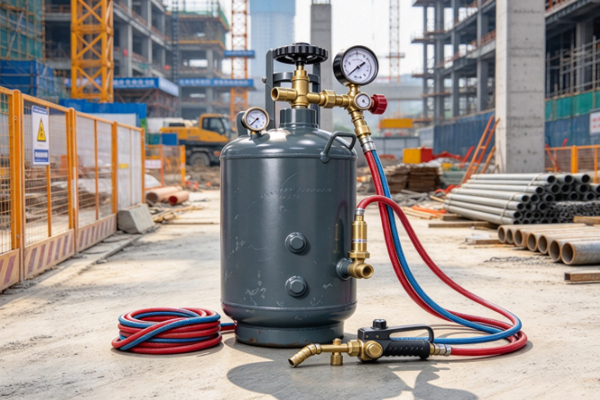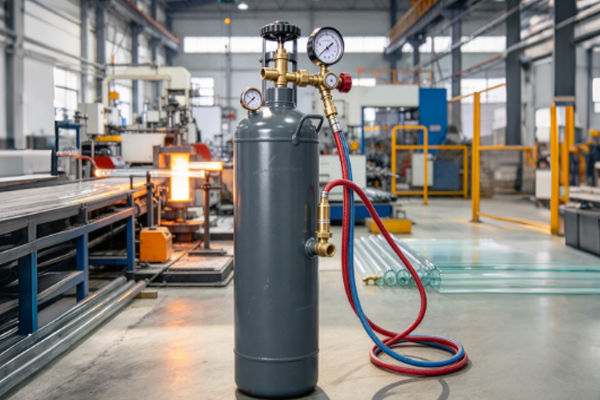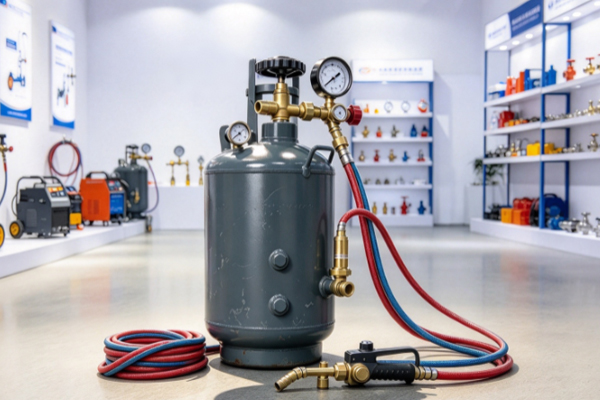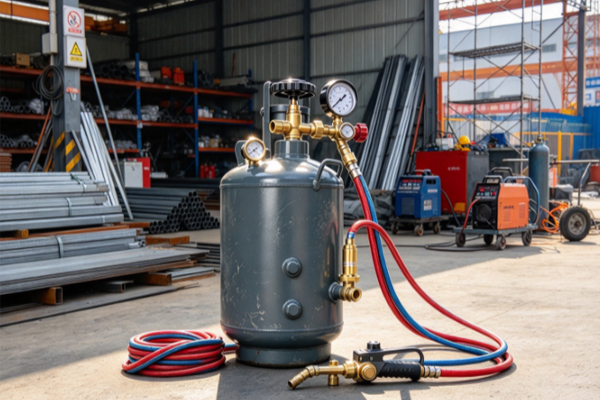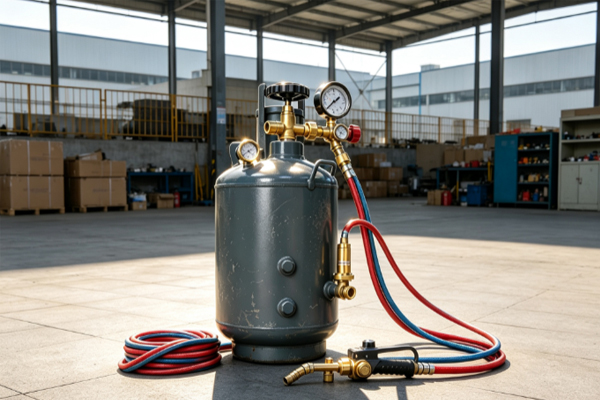
In welding, metal processing, and construction industries, acetylene storage tanks are essential equipment for ensuring a stable gas supply. When choosing storage equipment, many companies face a practical question: should they select a small or large acetylene storage tank? In reality, there is no absolute advantage between different acetylene storage tank sizes, as each specification is designed for different working conditions and application requirements. Small tanks focus more on flexibility and convenience, while large tanks emphasize continuous gas supply capacity and industrial production efficiency. Companies should consider their gas consumption, working frequency, installation conditions, and future development plans to select the most suitable solution.
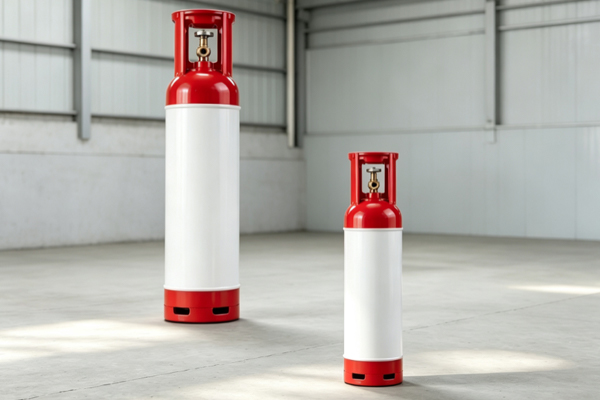
Features and Applications of Small Acetylene Storage Tank Sizes
Small acetylene storage tanks are generally used in applications with lower gas consumption, smaller production scales, or frequently changing work locations. These tanks are designed mainly for convenient operation and flexible deployment, making them suitable for various lightweight applications. For repair companies, small workshops, and mobile construction teams, small tanks often provide a more practical solution:
- Require less space, making them suitable for repair shops and small workshops with limited areas
- Easy to transport and move, suitable for temporary or on-site operations
Although small tanks have limited storage capacity, they provide excellent convenience for occasional welding, basic cutting, and maintenance tasks while helping reduce equipment investment and management costs.
Features and Advantages of Large Acetylene Storage Tank Sizes
Large acetylene storage tanks are mainly designed for industrial environments with higher production requirements and greater gas consumption. Their key advantages include stronger storage capacity and more stable gas supply performance. For manufacturing companies requiring long operating hours, large tanks can reduce gas replacement frequency and improve overall production efficiency:
- Suitable for multiple machines operating simultaneously, supporting continuous welding and cutting operations
- Can be integrated with centralized gas supply systems to improve production management efficiency
- Reduce downtime caused by frequent gas replacement
Large tanks are more suitable for industries such as steel structure manufacturing, shipbuilding, and large-scale machinery production. However, they also require better installation space, safety management, and maintenance conditions.
Main Differences Between Small and Large Acetylene Storage Tank Sizes
During the selection process, small and large acetylene storage tanks do not have a simple better-or-worse relationship. They are designed for different application environments. Companies should compare their characteristics based on actual production conditions and choose specifications that match their needs:
- Small tanks provide higher flexibility and are suitable for mobile operations and low-frequency use
- Large tanks offer stronger gas supply capacity and are suitable for continuous industrial production
- Small equipment requires lower initial investment, while large systems focus more on long-term operating efficiency
Selecting the appropriate tank size can prevent insufficient supply capacity or unnecessary resource waste, improving the overall efficiency of the acetylene supply system.
Factors to Consider When Selecting Acetylene Storage Tank Size
When determining the appropriate acetylene storage tank size, companies should not focus only on storage capacity. Actual production processes, working environments, and future development plans should also be considered. A complete evaluation helps avoid problems caused by selecting tanks that are either too large or too small:
- Actual gas consumption: Determine suitable capacity based on daily consumption and peak demand to ensure stable gas supply
- Operation continuity: Longer welding and cutting periods require greater storage capacity
- Installation environment: Consider workshop space, equipment layout, and future maintenance convenience
- Future development: Reserve appropriate expansion capacity based on business growth plans
Considering these factors helps companies select a more economical and practical acetylene storage tank size.
How to Scientifically Choose the Right Acetylene Storage Tank Size for Your Business?
When selecting an acetylene storage tank size, companies should focus on actual production requirements and find the right balance between safety, efficiency, and investment costs. Different types of businesses require different configurations, and tank selection should not be based only on capacity size:
- Small workshops and repair businesses can choose smaller tanks to improve operational flexibility
- Medium-sized processing companies should select suitable capacities based on equipment quantity and production schedules
- Large manufacturing companies are better suited for large-capacity tanks or centralized gas supply systems
By carefully evaluating gas demand, site conditions, and future development plans, companies can select a more reliable acetylene storage solution while reducing long-term operating pressure.
Small and large acetylene storage tank sizes each have their own suitable applications. Companies should not simply pursue larger capacity but should make decisions based on actual gas consumption, production scale, installation conditions, and future requirements. Proper acetylene storage tank selection can improve gas supply stability while reducing equipment investment and operating costs. Zhongcheng Gas Cylinde provides acetylene storage tank solutions in multiple specifications to meet the stable gas supply needs of different companies in welding, metal processing, and industrial production.