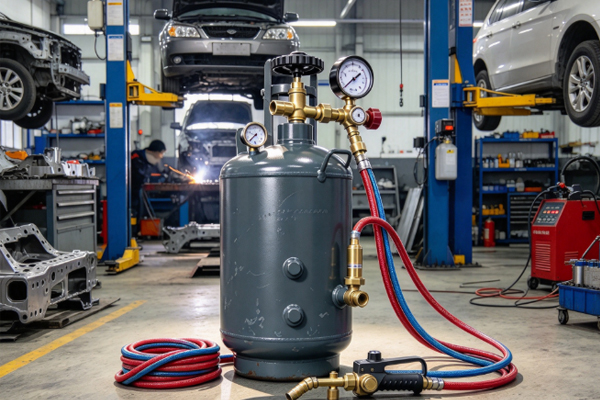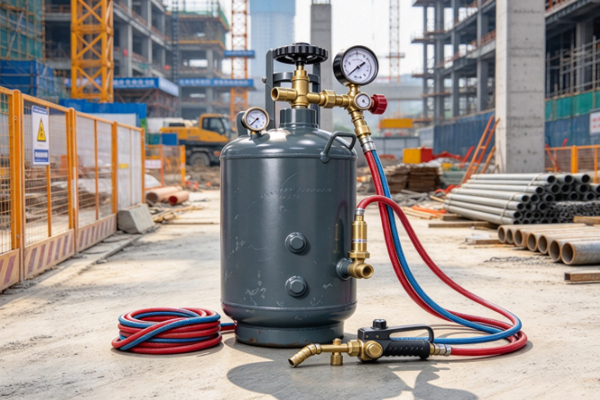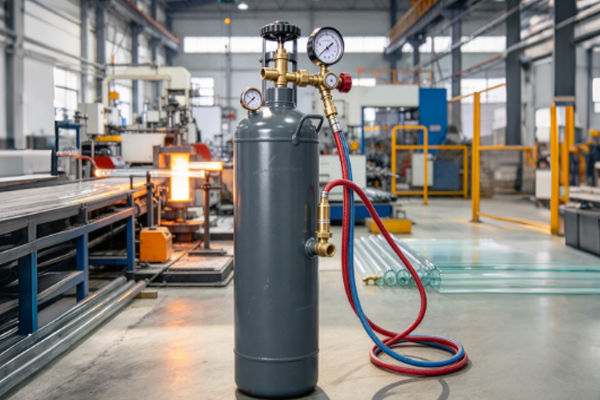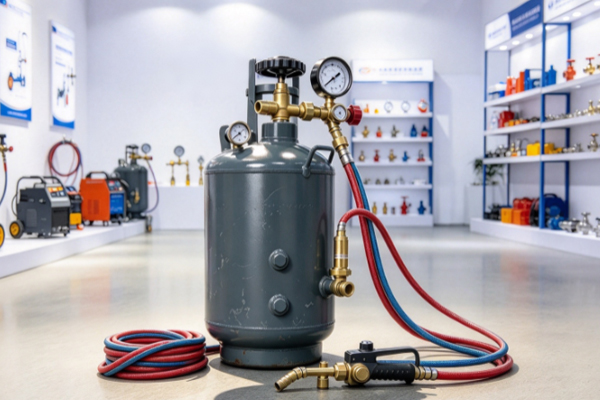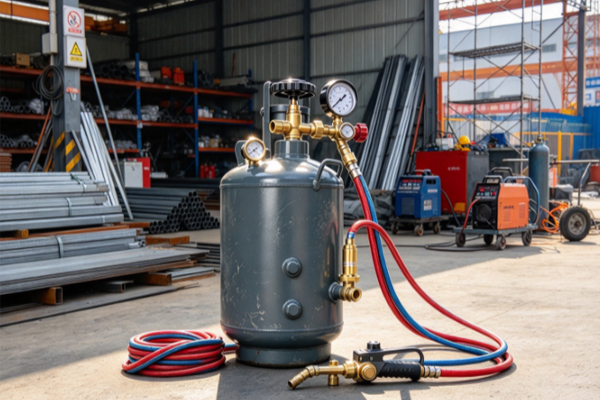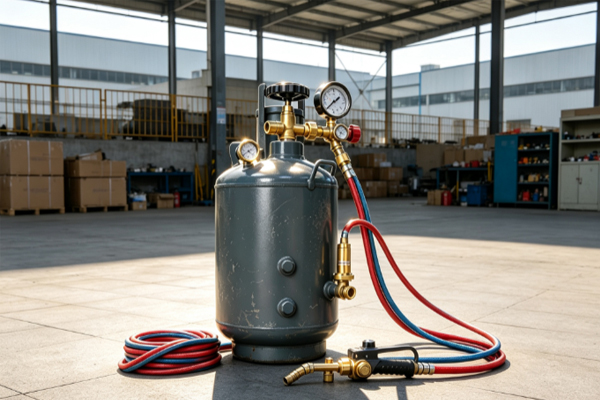
In industrial scenarios such as welding, cutting, and maintenance, an acetylene tank is not just a gas supply container; it is more like a stabilizer for the entire production line. In the past, enterprises often focused on procurement price, but now they are paying more and more attention to installation standards, pipeline layout, accessory matching, and acceptance procedures. The reason is straightforward: installation quality affects gas supply stability, processing efficiency, on-site management, and long-term costs. For factories pursuing safe production and stable delivery, acetylene tank installation standards have shifted from an “optional item” to a “must-have item.”
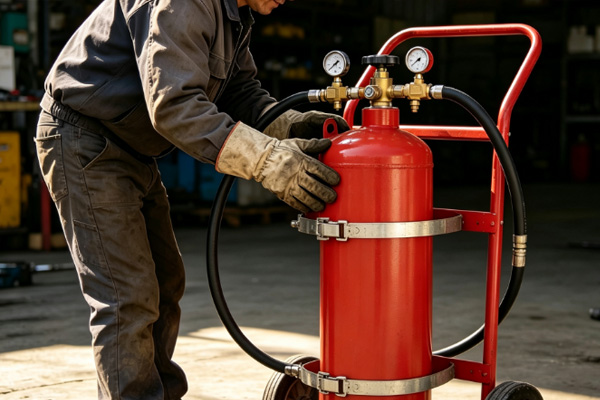
Acetylene Tank Installation Standards Directly Affect Gas Supply Stability
Whether installation is standardized is often directly reflected in the gas supply condition. Many operational problems can be traced back to the installation stage, and whether the gas supply is stable will further affect welding, cutting, and the overall performance of subsequent processes.
More Reliable Pipeline Connections
Standardized installation helps the gas supply system maintain smoother operation, especially in scenarios involving continuous operation, frequent starts and stops, and long-term high-load use. Connection quality often determines whether the system can output stably.
- More airtight interface sealing makes gas less likely to leak during transmission, and system pressure is easier to maintain within a stable range.
- A clearer pipeline routing plan reduces gas flow resistance, and the gas supply performance of the equipment becomes more stable during continuous operation.
- Smaller pressure fluctuations during operation make it easier for operators to adjust the flame and control the process, improving the overall working experience.
Only when the gas supply is stable can welding and cutting operations more easily maintain consistency, which also helps enterprises control processing quality within a unified standard.
More Accurate Accessory Matching
An acetylene system does not operate independently; accessory configuration is equally critical. Many seemingly minor installation differences can be amplified into operational deviations or safety hazards during later use.
- When the pressure regulator matches the actual working conditions more accurately, pressure adjustment becomes smoother and the equipment response better meets production needs.
- Once the flashback arrestor is installed properly, it can more easily play a protective role in abnormal situations, thereby improving the safety redundancy of the entire system.
- When the pressure gauge is positioned reasonably, readings are clearer, and on-site personnel can more intuitively inspect and judge operating conditions.
With accessories properly matched, the overall system performance becomes more stable, and enterprises can also detect abnormalities faster and handle them in time during daily management.
Enterprises Value Installation Standards to Control Costs
The details handled during the installation stage directly affect later maintenance and operating expenses. Many enterprises have recognized this point and therefore place standardized installation first. Once the foundation is solid in the early stage, the pressure from later repairs, downtime, and rework will be significantly reduced.
Reduce Rework and Repairs
When the installation stage is done solidly, there will be far fewer problems later. This is especially true for systems involving pipelines, valves, and safety accessories. If the early-stage handling is not in place, later operations often consume manpower and time repeatedly. When installation deviations are better controlled, the number of rework and adjustments decreases, and additional expenses caused by construction and downtime are also lower; when vulnerable parts operate under reasonable stress, wear slows down, and the replacement cycle of accessories becomes longer; equipment downtime for inspection is shorter, production rhythm is easier to maintain continuously, and factories become more flexible in scheduling and delivery. Spending a little more effort on installation upfront can actually save a lot of maintenance costs and allow the equipment to enter stable operation more quickly.
Reduce Hidden Losses
Many costs do not appear immediately, but they accumulate continuously. Especially in situations where gas supply is unstable, flame fluctuates, or equipment requires frequent adjustments, hidden losses are often more worthy of attention than visible expenses.
- When the flame state is unstable, the probability of rework rises significantly, and workpiece quality is more likely to fluctuate.
- When cutting quality is not stable enough, material waste becomes more obvious, and subsequent reprocessing and trimming also increase additional consumption.
- Once the production rhythm is disrupted, delivery pressure rises accordingly, and enterprises become more passive in production planning and customer response.
Standardized installation can keep these hidden losses at a lower level, allowing enterprises to maintain a clearer cost structure in long-term operations.
Standardized Installation Also Relates to Safety Management
Acetylene systems are high-requirement equipment. Installation standards not only affect operating results, but also influence the orderliness of on-site management and the ability to control risks. This is especially important in factory environments with high personnel turnover and frequent operations, where standardized installation acts like a basic line of defense.
Risk Points Are Easier to Identify
Once the installation layout is clear, managers can more easily detect abnormalities, and equipment status becomes easier to observe and judge continuously. Daily inspections, hazard identification, and later maintenance all become smoother; with clear pipeline routing, sufficient maintenance space, and a tidy surrounding environment, operational interference is reduced and potential risks are lowered, making on-site management more efficient and reassuring.
On-Site Management Becomes More Standardized
Standardized installation makes later management more orderly, and it becomes easier to form unified standards from equipment commissioning to daily maintenance. Operating procedures become more consistent, new employee training is easier to implement, and on-site execution is less likely to deviate; responsibility division becomes clearer, equipment management efficiency improves, and when problems occur, it is easier to trace them back to specific links; inspection records become more complete, equipment status changes can be tracked continuously, and later maintenance arrangements become more evidence-based. Once management is standardized, enterprises gain stronger control over the acetylene system, and safety management and production management can be better integrated.
Why Are Enterprises Willing to Put Installation Standards First?
Enterprises are paying more and more attention to installation standards not only for the equipment itself, but also to create a more stable closed loop among production, management, and return on investment. After all, whether a piece of equipment can truly deliver value often depends on whether it is placed in the right position from the very beginning.
Equipment Value Is Easier to Unlock
The value of an acetylene tank is not only reflected in the procurement stage. What truly determines equipment performance is whether installation, commissioning, operation, and maintenance can form a complete chain.
- Once selection, installation, and commissioning form a complete closed loop, equipment performance is more likely to remain stable, and the user experience is closer to expectations.
- Once the system operates more steadily, the overall performance of the equipment improves, and enterprises feel the return on investment more directly.
- Once the overall service life becomes longer, the equipment investment return rate becomes higher, and long-term operating pressure is relatively reduced.
Only when installation standards are in place can the equipment truly function, and only then can enterprises continue to feel the value brought by their investment during later use.
Production Plans Are Easier to Execute
Stable gas supply makes production arrangements more manageable, especially when orders are dense, delivery deadlines are tight, or process requirements are high. System stability often directly affects the execution of production plans.
- Once gas supply continuity is stronger, order delivery becomes more stable, and the production line is easier to keep on schedule.
- Once adjustment frequency is lower, efficiency is easier to improve, and on-site personnel can focus more energy on core processes.
- Once the budget becomes more controllable, management can make clearer arrangements for equipment investment and later maintenance, and overall decision-making becomes more stable.
For enterprises, stability means efficiency, and standards mean assurance. The more solid the installation standards are, the easier it is for production plans to be implemented.
Acetylene tank installation standards are no longer just a construction detail; they are an important lever for enterprises to control risks, improve efficiency, and reduce costs. By making installation, acceptance, and later management solid, the gas supply system can operate stably for a long time, and the production rhythm becomes easier to maintain consistently. A standardized installation process can also reduce later rework and hidden losses, making equipment investment more valuable. For factories that require long-term stable gas supply, this step often determines whether later operation is worry-free. 众诚气罐 provides professional acetylene tank and industrial gas supply solutions to help enterprises use gas safely and efficiently.