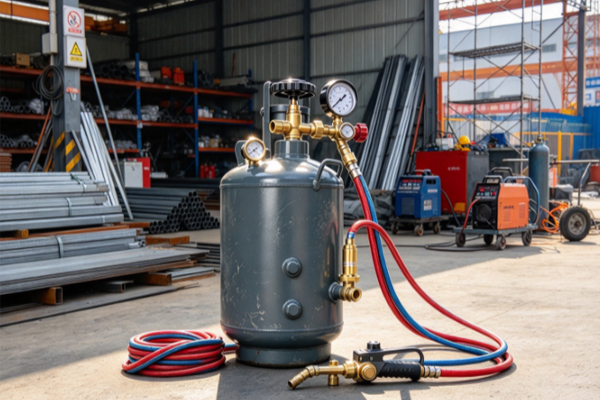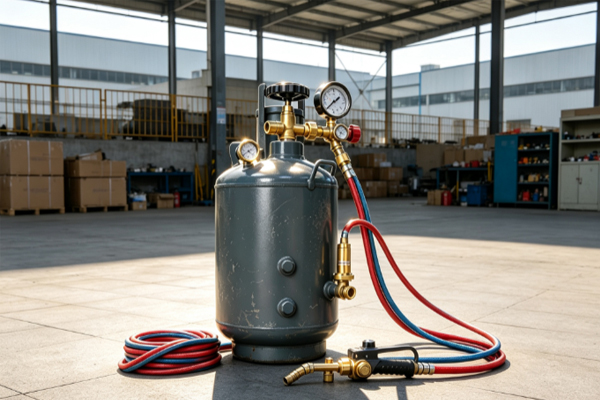
Acetylene cylinders are widely used in welding, flame cutting, machinery manufacturing, structural steel fabrication, shipbuilding, and equipment maintenance. Because acetylene is a highly flammable gas, the filling process must comply with strict safety requirements. Only when the cylinder condition, filling equipment, operating environment, and procedures meet the required standards can the filling process be completed safely and efficiently. Thorough inspections before filling, careful monitoring during filling, and comprehensive checks after filling help reduce equipment failures, prevent gas leaks, and ensure a reliable gas supply for industrial operations.
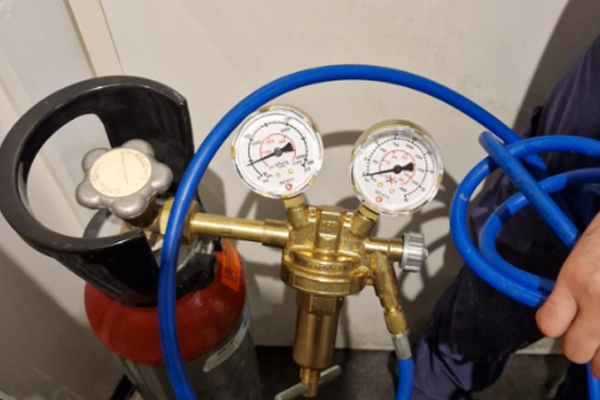
Basic Requirements Before Filling an Acetylene Cylinder
Before an acetylene cylinder is filled, its overall condition must be carefully inspected to ensure it remains suitable for continued use. The cylinder body should be free from severe corrosion, dents, cracks, deformation, or significant mechanical damage. Permanent markings, inspection stamps, and identification information should remain clear and legible so that the cylinder’s inspection status can be verified. The cylinder valve should open and close smoothly, all fittings should provide reliable sealing, and accessories should be complete without looseness or damage. The internal porous filler and solvent must also remain in good condition to ensure safe acetylene storage. The filling area should provide adequate ventilation, remain away from open flames, heat sources, and ignition hazards, and be equipped with appropriate fire protection equipment. Only after all inspection requirements have been satisfied should the cylinder proceed to the filling process, ensuring safe operation and stable gas performance.
Operating Requirements During the Filling Process
Acetylene cylinder filling is a professional operation that requires continuous monitoring throughout the entire procedure. The cylinder should always remain upright and securely fixed during filling to prevent movement or tipping. Filling equipment, connecting pipelines, and pressure control devices must operate correctly and remain in good working condition to ensure safe gas transfer. The filling speed should be carefully controlled so that acetylene enters the cylinder gradually, allowing pressure to increase smoothly while preventing excessive temperature rise. Operators should continuously observe pressure readings, connection points, and equipment performance throughout the process. If any abnormal condition is detected, filling should stop immediately for inspection and corrective action. After filling is completed, the cylinder valve, external condition, sealing performance, and pressure stability should all be verified before the cylinder is transported, stored, or placed into service. Following standardized filling procedures helps extend equipment life while maintaining reliable gas supply performance.
Key Inspection Items Before and After Filling
Comprehensive inspections before and after filling help prevent defective cylinders from entering service while ensuring every filled cylinder meets operational safety requirements. A well-organized inspection program also improves equipment management and supports long-term maintenance.
Recommended inspection items include:
- Verify the inspection validity period:Confirm that the cylinder remains within its approved inspection interval before filling.
- Inspect the cylinder body:Check for corrosion, dents, cracks, deformation, or any structural damage that could affect safe operation.
- Inspect the cylinder valve and fittings:Ensure the valve operates smoothly and all connection points provide secure and leak-free sealing.
- Inspect filling equipment:Verify that filling pipelines, pressure control devices, and associated equipment are functioning properly without leakage or mechanical problems.
- Confirm sealing performance after filling:After filling is complete, verify stable pressure, proper valve closure, and reliable sealing before releasing the cylinder for use.
By following these inspection procedures, operators can improve filling quality while providing a dependable gas supply for welding and flame cutting applications.
Filling Management Requirements in Different Industrial Applications
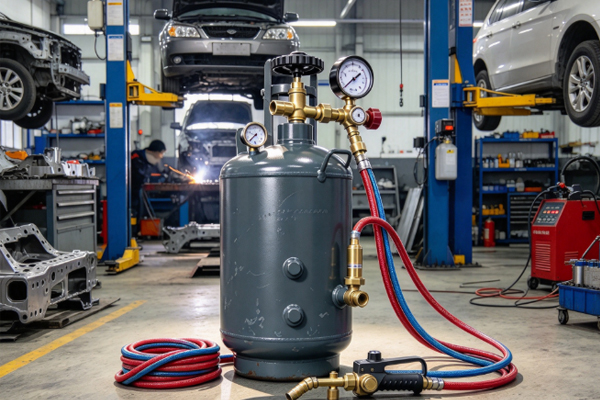
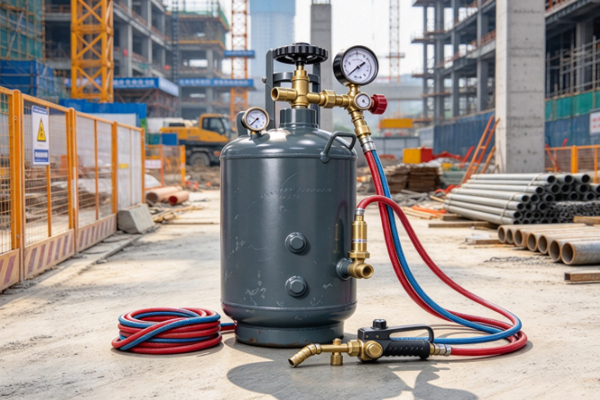
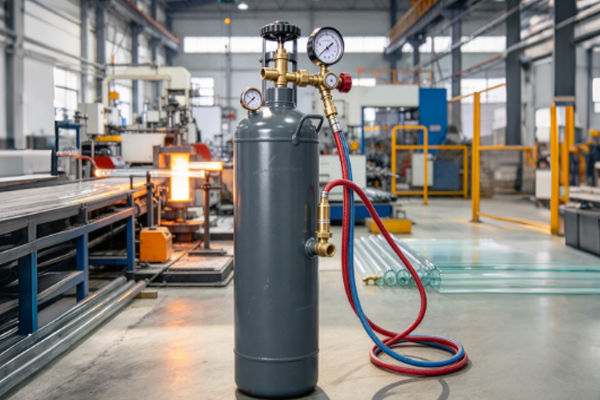
Different industries require different cylinder management practices based on operating conditions. Automotive repair facilities often consume acetylene quickly and should establish an organized cylinder rotation system that includes regular inspections and timely refilling. Structural steel fabrication plants usually perform continuous welding and cutting operations, making proper inventory planning essential for maintaining uninterrupted gas supply. Construction sites frequently transport cylinders between work locations, so filled cylinders should be securely fastened and protected against impact and excessive heat during transportation and storage. Shipbuilding facilities, machinery manufacturers, and large industrial plants often use centralized cylinder management systems that record cylinder identification numbers, filling history, inspection dates, and maintenance records. These management practices improve equipment efficiency while reducing operational interruptions caused by equipment problems.
How to Establish a Standardized Acetylene Cylinder Filling Management System
A well-developed filling management system helps maintain safe cylinder operation while improving the consistency and traceability of filling activities. Continuous improvement of management procedures also reduces equipment failures and supports efficient industrial production.
Recommended management practices include:
- Establish cylinder information records:Maintain complete records of cylinder identification, manufacturing information, inspection dates, filling history, and maintenance activities.
- Implement regular inspection programs:Perform scheduled inspections of cylinders, valves, filling equipment, and related accessories to eliminate potential safety risks.
- Provide professional operator training:Ensure personnel understand filling procedures, safety requirements, and emergency response methods.
- Maintain accurate filling records:Record filling dates, equipment conditions, inspection results, and operational information after every filling operation.
- Improve storage and transportation management:Keep filled cylinders upright and securely fastened while protecting them from excessive heat, impacts, and severe vibration during transportation and storage.
By implementing standardized inspections, professional operating procedures, and effective management practices, businesses can improve acetylene cylinder filling quality, reduce gas loss and equipment failures, and provide a safer, more reliable gas supply for welding, flame cutting, and industrial manufacturing.