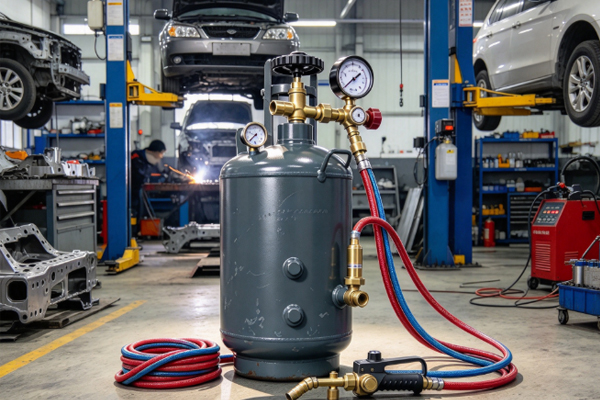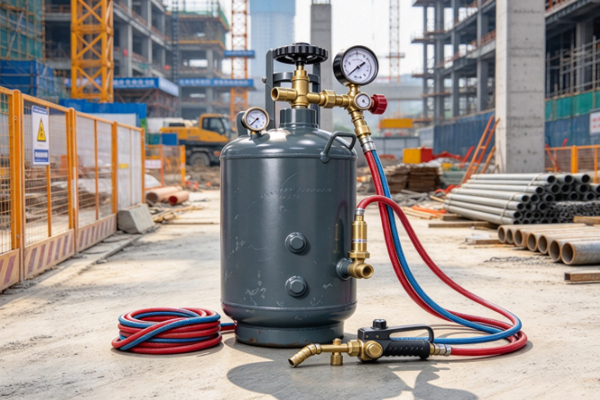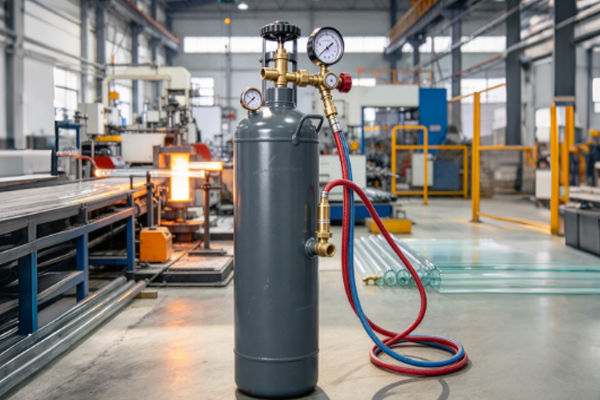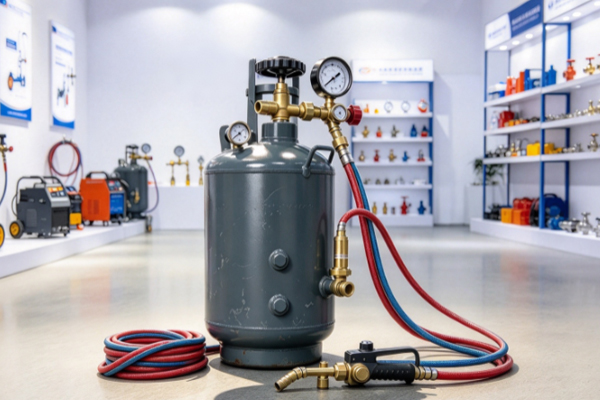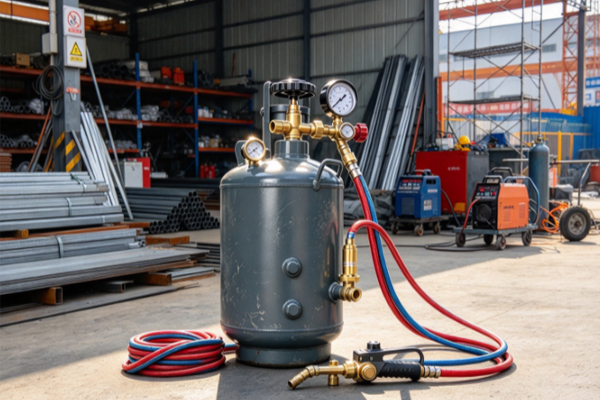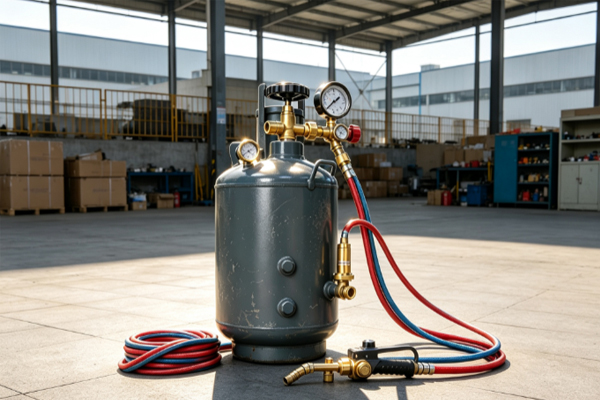
When purchasing an acetylene storage tank, many companies face the same question: why do tanks with the same capacity have different dimensions from different manufacturers? Some tanks are longer, some have larger diameters, and even the weights may vary. In fact, acetylene storage tank size is not designed randomly. It needs to be determined based on equipment standards, application requirements, installation conditions, and other factors. For purchasing teams, understanding the factors behind tank size selection is important. Otherwise, the purchased equipment may face problems such as insufficient installation space, difficult transportation, or failure to meet production needs. Knowing the basis for selecting acetylene storage tank dimensions can help companies avoid unnecessary issues and choose more suitable equipment.
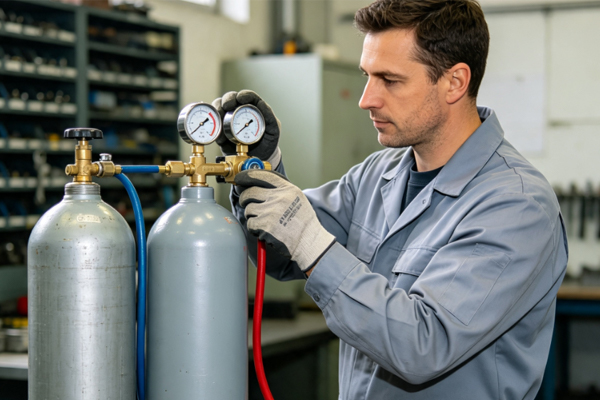
Acetylene Storage Tank Size Should First Follow Equipment Design Standards
Many users believe that once the storage capacity is determined, the tank dimensions can be easily calculated. However, this is not that simple. Acetylene storage tanks are industrial equipment, and their design must consider safety, structural strength, and long-term operating requirements. Manufacturers determine the dimensions based on relevant design standards rather than simply increasing or decreasing the size according to capacity.
The main factors affecting tank dimensions include:
- Different design pressures affect the tank structure and size calculation.
- Storage capacity determines the basic tank specifications and is an important reference for length and diameter design.
- Material thickness and structural design influence the overall weight and external dimensions.
Simply put, acetylene storage tank size is determined by multiple parameters working together. Even tanks with the same capacity may have different external dimensions due to different design solutions.
Acetylene Storage Tank Size Should Match Actual Gas Consumption Needs
When purchasing a storage tank, many companies ask directly, “What are the dimensions of a tank with a certain capacity?” However, capacity is only one reference factor. The actual gas consumption of the company is what truly determines the appropriate equipment size. Different production processes require different storage capacities.
When selecting tank dimensions, companies should consider:
- Daily acetylene consumption to determine the required storage capacity.
- Whether production runs continuously, as continuous operation requires a more stable gas supply.
- The number of welding and cutting machines, which directly affects gas demand.
- Available factory space, which determines the suitable external dimensions of the tank.
For example, a small welding workshop may not need a large storage tank, while large machinery manufacturing or steel structure companies with high gas consumption require larger storage capacity. When choosing an acetylene storage tank size, the best option is not always the largest one, but the one that fits the actual production requirements.
Installation Conditions Also Affect Whether the Acetylene Storage Tank Size Is Suitable
Some companies focus only on storage capacity and overlook the installation environment. Later, they may discover that the tank is too large for the site, difficult to transport, or inconvenient to maintain after installation.
Before determining the tank size, companies should confirm:
- Whether the tank length, diameter, and height match the available installation area.
- Whether factory entrances and transportation routes are large enough for equipment delivery.
- Whether enough space is reserved around the tank for operation and maintenance.
- Whether the foundation size and load capacity meet installation requirements.
These details may seem minor, but they often become major problems during actual installation. Measuring the site conditions first and selecting the right tank size can make the entire installation process much easier.
Other Practical Requirements to Consider When Purchasing an Acetylene Storage Tank
Besides design standards, gas demand, and installation conditions, companies should also pay attention to practical factors during purchasing. After all, a storage tank is not just equipment that sits in place—it plays an important role in daily production. Suitable dimensions are only the first step; overall configuration and compatibility are equally important.
During purchasing, it is recommended to:
- Review complete technical specifications, including acetylene storage tank size, weight, and capacity.
- Confirm whether the equipment meets local project requirements and operating regulations.
- Consider future production growth and possible equipment expansion needs.
- Share actual working conditions and installation information with the manufacturer to receive better recommendations.
Many companies make the mistake of thinking that a larger tank is always a safer choice. In reality, an oversized tank may increase costs and create additional challenges for installation and maintenance. The right size is the one that best matches the company’s long-term operating needs.
Selecting an acetylene storage tank size is not simply about choosing a capacity number. It requires comprehensive consideration of equipment standards, production requirements, and installation conditions. Understanding these factors in advance can help companies select more suitable equipment and reduce problems during installation and operation. Zhongcheng Gas Cylinde provides acetylene storage tanks in various specifications with professional selection support to help customers find solutions that match their actual needs.