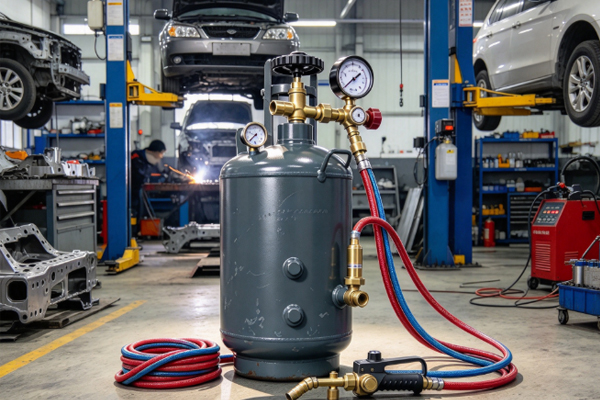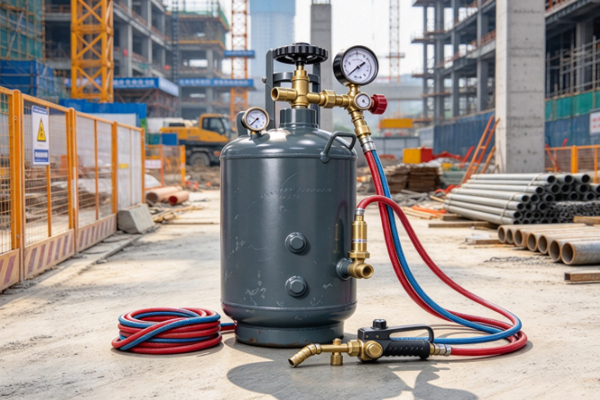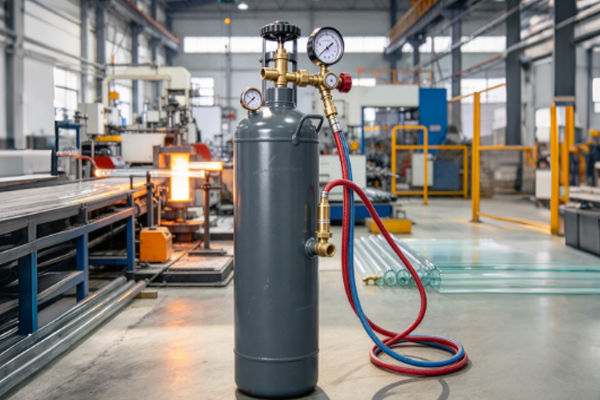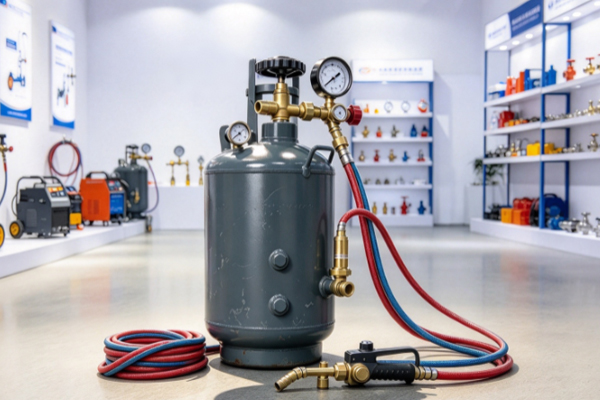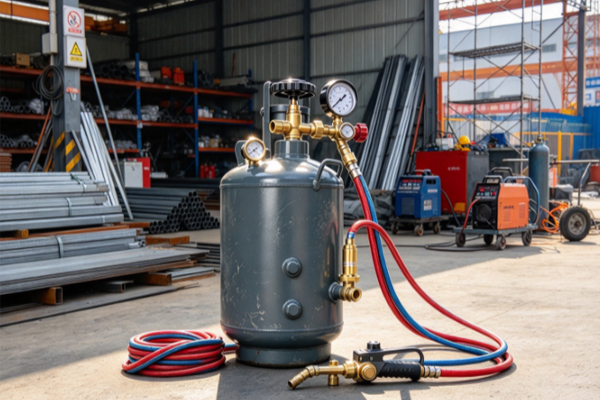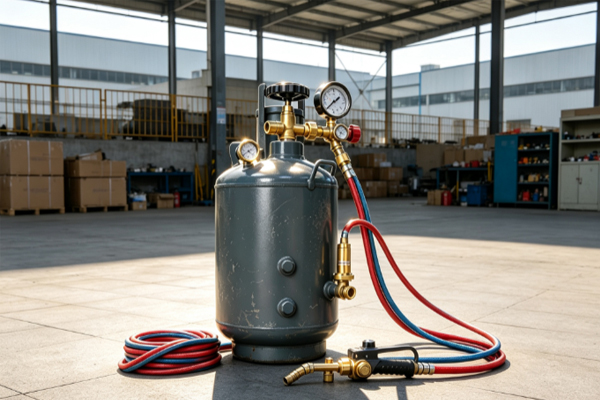
When purchasing an acetylene storage tank, many companies face the same question: what size should they choose? Some customers only focus on the storage capacity and assume that a larger tank is always better. However, during actual installation and operation, they may find that the tank’s length, diameter, and height also affect transportation, placement, and future maintenance. In fact, there is no single standard acetylene storage tank size that fits every company. Different production conditions, usage frequencies, and installation environments require different specifications. Understanding how to evaluate tank dimensions and select the right option can help companies avoid purchasing issues and ensure smoother operation.
How to Understand Acetylene Storage Tank Sizes and Key Parameters?
When selecting an acetylene storage tank, many buyers may feel confused by the technical data at first. In fact, the selection process does not need to be complicated. The main questions are whether the equipment can fit the installation area and whether it can meet production requirements. Besides capacity, the tank’s length, diameter, and height are also important factors.
The main parameters to consider include:
- Tank length determines the overall space required. Common sizes are usually around 1.5 to 6 meters, depending on the capacity.
- Tank diameter affects the horizontal installation space. Small tanks are generally around 0.6 to 1 meter, while larger models may exceed 1.5 meters.
- Tank height needs to match the workshop conditions, especially when there are overhead pipes or other equipment nearby.
- The total equipment weight should also be considered, as it affects transportation and installation arrangements.
Simply put, acetylene storage tank size should not be judged by one single number. Length, diameter, height, and capacity should all be considered together. For example, tanks with the same capacity may have different designs, with some being longer and others having a larger diameter, resulting in different space requirements.
What Is the Relationship Between Acetylene Storage Tank Size and Capacity?
Many users believe that tank size and capacity have a fixed relationship, assuming that a larger capacity always means a proportionally larger tank. In reality, the two are related, but the exact dimensions can vary depending on design and application requirements.
Factors that affect tank size include:
- Storage capacity requirements, which directly influence the overall tank dimensions.
- Different structural designs, which can change the ratio between length and diameter.
- Installation environments, which may require customized dimensions.
- Space limitations in the factory, which can affect the preferred tank design.
For example, some factories have limited installation space and need a more compact design, while others have enough room and focus more on larger storage capacity. When selecting an acetylene storage tank size, companies should not only provide a capacity requirement but also explain their daily gas consumption, installation location, and site conditions.
What Dimensions Should Be Confirmed Before Installing an Acetylene Storage Tank?
Many companies overlook one important issue: whether the tank can actually be installed after delivery. Even if the tank specifications are correct, transportation and installation conditions must still be checked in advance.
Before installation, companies should confirm:
- Whether the installation area has enough length and width for the tank.
- Whether factory entrances and transportation routes are wide enough for delivery.
- Whether enough space is reserved around the tank for inspection and maintenance.
- Whether the foundation location and load capacity meet installation requirements.
For example, a long acetylene storage tank may meet production requirements, but if the factory entrance is too narrow, it can still create installation difficulties. Measuring the site in advance and confirming the dimensions with the supplier can help prevent unnecessary problems.
Avoid Common Mistakes When Choosing Acetylene Storage Tank Sizes
During actual purchasing, many companies make the mistake of thinking that a bigger tank always means better performance. In reality, the most important factor is whether the tank size matches the company’s actual needs. Proper selection can balance production efficiency and operating costs.
When purchasing, companies should pay attention to:
- Do not focus only on capacity; also confirm the actual length, diameter, and height.
- Do not copy other companies’ equipment choices without considering your own production conditions.
- If future expansion is planned, consider whether the selected tank size allows room for growth.
The right acetylene storage tank size should meet production requirements while also making installation, operation, and maintenance more convenient. Taking the time to understand the dimensions before purchasing can help avoid problems later.
Choosing the right acetylene storage tank size is not simply about selecting a larger or smaller model. It requires considering gas consumption, installation space, equipment specifications, and future production plans. Confirming key dimensions such as length, diameter, and height in advance can reduce installation problems and improve overall performance. Zhongcheng Gas Cylinde provides acetylene storage tanks in various specifications and professional selection support to help customers choose equipment solutions that better match their actual needs.