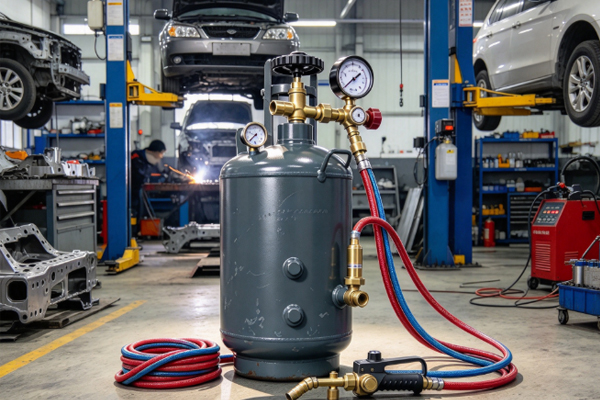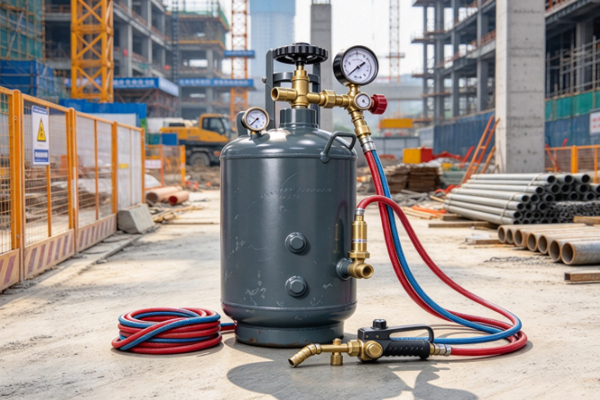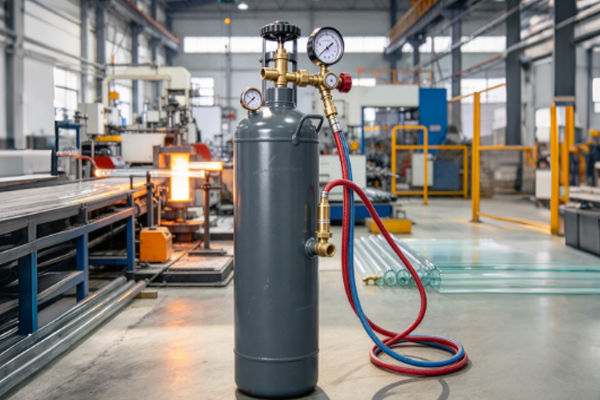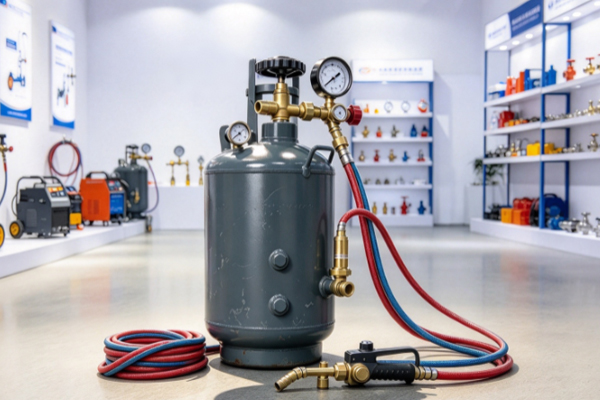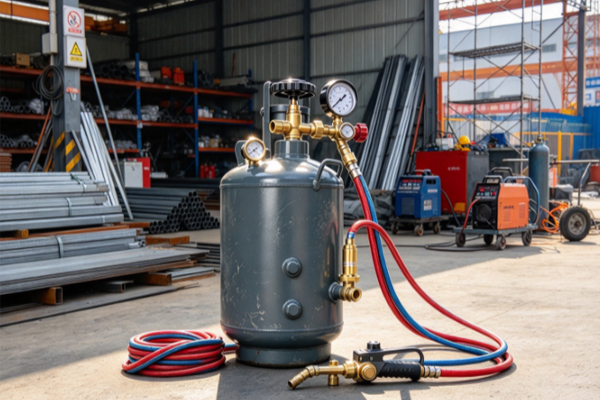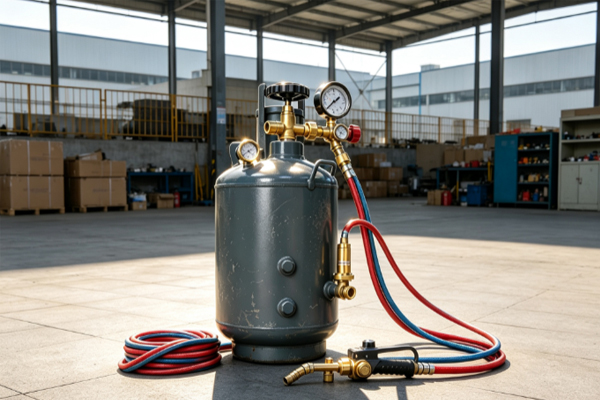
Acetylene cylinders are widely used in welding, cutting, machinery manufacturing, construction, and many other industries. Transporting cylinders between different work locations is a routine part of industrial operations. Since acetylene cylinders contain pressurized gas, they may be affected by vehicle vibration, sudden braking, and road conditions during transportation. Without proper securing methods, cylinders may shift, roll, or collide with other objects, potentially affecting equipment condition and future operation.
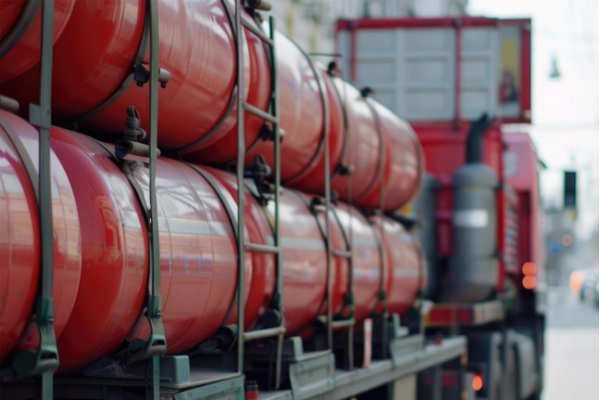
Properly securing acetylene cylinders helps protect the cylinder body, valve, and accessories while improving transportation efficiency. It also ensures that the cylinder remains in good condition and is ready for use upon arrival at the work site.
Why Should Acetylene Cylinders Be Secured During Transportation?
Acetylene cylinders are pressure vessels that may be influenced by vehicle movement, road conditions, and loading methods during transportation. If the cylinder is not securely fastened, it may shift or roll when the vehicle starts, stops, turns, or travels over uneven roads, increasing the possibility of mechanical impact.
The cylinder valve is one of the most important components and requires special protection during transportation. If the valve is damaged by external force, installation may become difficult and accessories may require replacement. Proper securing methods reduce mechanical shock and help keep both the cylinder body and valve in stable condition.
Securing cylinders also improves cargo organization by preventing contact between cylinders and other equipment. For long-distance transportation, proper fixation reduces wear and mechanical damage, helping extend equipment service life and preparing the cylinder for immediate use after delivery.
What Are the Benefits of Properly Securing Acetylene Cylinders During Transportation?
Proper transportation securing protects not only the cylinder itself but also improves the stability of the entire transportation process. Keeping the acetylene cylinder upright and stable helps reduce continuous vibration and allows the equipment to be placed into service more quickly after arriving at the destination.
A reliable securing method also minimizes the possibility of accessories becoming loose. Protective caps, valve guards, and other components remain securely attached throughout transportation, reducing wear caused by vibration. Organized loading also improves loading and unloading efficiency for workers.
For companies managing large numbers of cylinders, standardized transportation procedures reduce equipment damage caused by improper handling, decrease maintenance requirements, and improve overall cylinder circulation efficiency between different job sites.
What Are the Requirements for Securing Acetylene Cylinders During Transportation?
To ensure safe transportation, acetylene cylinders should be secured according to established transportation practices and the characteristics of the transport vehicle.
The following recommendations should be followed:
- Keep the cylinder in an upright position:Whenever possible, transport the cylinder vertically and avoid laying it horizontally or upside down to reduce unnecessary stress on the cylinder and valve.
- Use dedicated securing devices:Secure the cylinder with straps, brackets, or cylinder holders to prevent movement during transportation.
- Protect the valve and protective cap:Install the protective cap or valve guard before transportation to reduce the possibility of valve damage caused by accidental impact.
- Arrange the loading position properly:Place the cylinder in a stable area of the vehicle and maintain sufficient distance from other equipment to avoid collision during transport.
- Prevent rolling and heavy impact:Handle cylinders carefully during loading and unloading, avoiding dropping, dragging, or rolling the cylinder whenever possible.
Following these securing practices helps maintain cylinder stability throughout transportation, reduces equipment damage, and improves transportation management efficiency. Proper fixation also provides better protection for subsequent installation and operation.
What Else Should Be Considered During Transportation?
In addition to securing methods, transportation conditions should also receive careful attention. The transport vehicle should provide good ventilation, and acetylene cylinders should not be exposed to excessive heat or prolonged direct sunlight. Cylinders should also be kept away from ignition sources, heating equipment, and combustible materials throughout transportation.
During loading and unloading, appropriate lifting and handling methods should be used. Cylinders should never be lifted or moved by the valve or pressure regulator. During long-distance transportation, securing devices should be inspected periodically to ensure they remain tight and that the cylinders continue to remain stable.
After transportation is completed, the cylinder body, valve, and accessories should be inspected again before installation. Confirming that no damage has occurred during transport helps maintain equipment reliability and supports safe operation at the work site.
How to Establish a Standardized Transportation Management System for Acetylene Cylinders?
A well-organized transportation management system helps standardize acetylene cylinder transportation and improves overall equipment management efficiency. Standardized procedures also reduce the possibility of human error.
Recommended management practices include:
- Develop standardized transportation procedures:Clearly define loading, securing, transportation, and unloading processes so every shipment follows the same requirements.
- Inspect transportation equipment regularly:Check vehicles, securing brackets, straps, and support devices to ensure they remain in good working condition.
- Strengthen transportation personnel training:Train employees on proper cylinder handling, loading, and securing procedures to improve operational consistency.
- Maintain transportation records:Record transportation dates, quantities, inspection results, and other important information for future management.
- Inspect equipment after transportation:Check the condition of cylinders and accessories after every delivery and resolve any problems before use.
Scientific transportation management combined with proper securing methods effectively protects acetylene cylinders and their accessories, reduces transportation-related wear, improves cylinder circulation efficiency, and provides reliable gas support for welding, cutting, and industrial production operations.