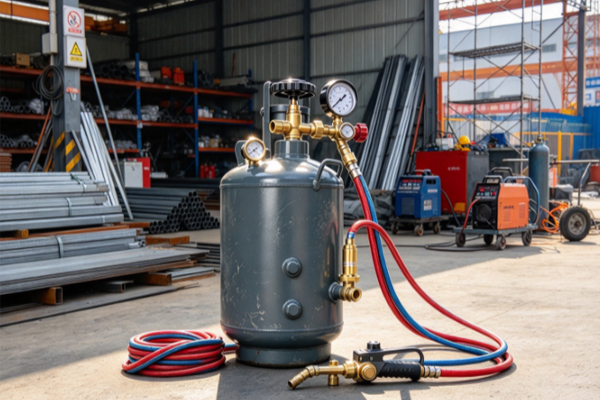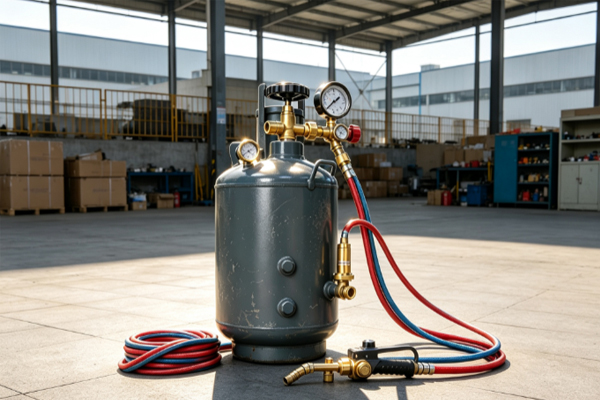
With the continuous development of industrial production, metal cutting, welding processing, and gas application industries, acetylene storage tanks, as important equipment for acetylene gas storage and supply, are being used by more and more enterprises. When purchasing acetylene storage tanks, price is usually one of the key factors that users pay attention to. Many purchasing personnel search for keywords such as “acetylene storage tank price” and “how much does an acetylene storage tank cost” to understand market conditions and find reasonably priced equipment. However, the price of an acetylene storage tank is not always better when it is lower. Due to differences among manufacturers in material selection, production processes, safety inspections, equipment configurations, and after-sales services, quotations for acetylene storage tanks with the same specifications may vary significantly. If users only focus on low prices during purchase, they may easily overlook equipment quality and even fall into price traps involving low quotations but high hidden costs.
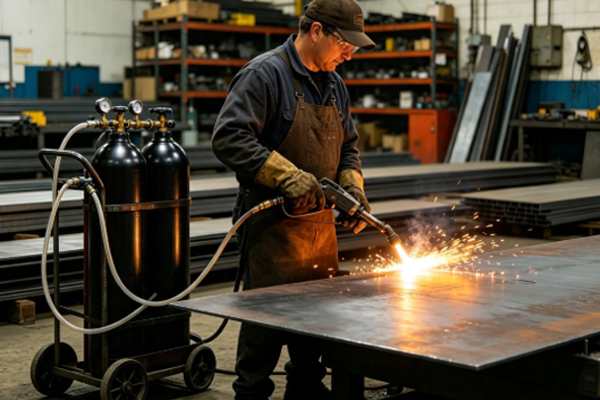
Some suppliers may reduce initial quotations by lowering material standards, reducing inspection procedures, or hiding transportation and installation costs, making customers feel that the equipment price is very competitive. However, during actual use, low-quality equipment may cause problems such as frequent maintenance, shortened service life, and insufficient safety performance. Therefore, when purchasing acetylene storage tanks, users need to evaluate products based on equipment parameters, manufacturer qualifications, actual requirements, and long-term operating costs instead of choosing equipment only according to the price figure.
Understand the Factors Affecting Acetylene Storage Tank Prices
Tank Material Determines the Basic Price
When purchasing acetylene storage tanks, material quality is an important factor affecting the price. Acetylene storage tanks need to withstand long-term gas storage environments, which require certain standards for tank strength, corrosion resistance, and sealing performance. If lower-quality materials are used, the equipment quotation may be reduced, but performance problems are more likely to occur during long-term operation.
Common influencing factors include:
● Whether the tank steel quality meets requirements;
● Whether the plate thickness reaches design standards;
● Whether welding materials are stable and reliable;
● Whether surface corrosion protection treatment is complete.
For example, among acetylene storage tanks with the same capacity, equipment manufactured with standard materials and processed and inspected under strict requirements usually costs more than ordinary low-cost products. However, such equipment provides better stability during operation and can reduce later repair and replacement costs. Therefore, when purchasing, users should not only ask “What is the price of an acetylene storage tank?” but also understand the material configuration corresponding to the price. If a supplier cannot explain the materials used or only emphasizes low prices, careful evaluation is necessary.
Production Processes Affect the Final Equipment Quotation
During the production of acetylene storage tanks, multiple procedures are required, including design, processing, welding, and inspection. Different manufacturers have different production capabilities, which directly leads to price differences among products. Reliable manufacturers usually conduct complete inspections on storage tanks, including appearance checks, sealing tests, and pressure-related tests, to ensure that the equipment meets usage requirements. However, some low-priced products may reduce production procedures and attract customers by lowering manufacturing costs.
For example, some cheaper acetylene storage tanks may look similar in appearance, but differences may exist in internal structural design, welding quality, and inspection procedures. After purchase, if the equipment develops gas leakage problems or requires frequent maintenance, the final investment cost may become even higher. Therefore, when comparing acetylene storage tank prices, users need to pay attention to the manufacturing process rather than only comparing sales quotations.
Choose a Reliable Supplier for Purchasing Acetylene Storage Tanks
Check Manufacturer Qualifications and Product Information
Acetylene storage tanks are industrial gas equipment with high requirements for safety performance. During procurement, a supplier’s production capability and relevant qualifications are important references for judging product reliability.
Reliable manufacturers usually can provide:
● Enterprise production information;
● Product technical parameters;
● Operation manuals and documents;
● Relevant inspection certificates;
● After-sales service support.
If a supplier only provides a simple quotation without detailed product information and cannot provide relevant documents, there may be product quality risks. For example, when an enterprise purchased an acetylene storage tank, it found that one supplier’s quotation was much lower than the market average price. However, after further investigation, it was discovered that the manufacturer could not provide complete inspection documents, and the equipment source and production process were unclear. Although the purchase cost was lower, there were greater uncertainties during later operation. Choosing a manufacturer with production experience can reduce procurement risks and improve equipment stability.
Do Not Ignore Inspection Documents and Safety Requirements
Some users only focus on price when purchasing acetylene storage tanks and do not carefully confirm equipment inspection conditions. This purchasing method can easily lead to problems during later use. Acetylene storage tanks not only need to meet storage requirements but also need to comply with relevant safety management requirements. Complete inspection documents can help users understand equipment manufacturing conditions and facilitate later installation, inspection, and maintenance. For example, when an enterprise purchases acetylene storage tanks for factory production, incomplete equipment documents may cause problems during later safety inspections. At the same time, if equipment performance fails to meet requirements, normal production may also be affected. Therefore, when purchasing acetylene storage tanks, safety documentation should be treated as an important reference instead of only comparing prices.
Pay Attention to Hidden Costs When Comparing Acetylene Storage Tank Prices
Transportation and Installation Costs Are Easily Overlooked
Many users believe that procurement costs are low after seeing a low quotation for an acetylene storage tank. However, during the actual purchasing process, transportation, installation, commissioning, and other expenses also affect the final investment. Different specifications of acetylene storage tanks have different weights and dimensions, which require different transportation methods. If suppliers do not clearly explain related costs in advance, users may face additional expenses later.
Common hidden costs include:
● Long-distance transportation fees;
● Installation construction costs;
● Equipment commissioning fees;
● Additional accessory purchase costs.
For example, a company purchased an acetylene storage tank with an initial quotation lower than other manufacturers, but additional transportation and installation costs were added during delivery. As a result, the final total price became close to other suppliers’ offers. Therefore, when comparing acetylene storage tank prices, users need to understand the complete procurement cost instead of only looking at the equipment sales price.
After-Sales Maintenance Costs Affect Long-Term Operating Expenses
Acetylene storage tanks are long-term-use equipment, and later maintenance is also part of the procurement cost. Products with excessively low prices may require more repair investment during operation. If manufacturers do not provide complete after-sales services, users may need to find maintenance personnel themselves when problems occur, which not only increases expenses but may also affect production schedules. For example, reliable suppliers usually provide installation guidance, operation instructions, and technical support after purchase. When abnormal conditions occur, they can help users solve problems in time. However, low-cost equipment may lack these services, making later management more difficult. Therefore, when purchasing acetylene storage tanks, users need to calculate long-term operating costs instead of only considering the purchase price on the day of purchase.
What Are the Methods for Reasonably Purchasing Acetylene Storage Tanks?
Choose Suitable Specifications According to Usage Requirements
The price of acetylene storage tanks is related to capacity, structural design, and operating environment. During procurement, users need to select suitable models according to actual production requirements. If equipment with insufficient capacity is selected, it may not meet continuous usage needs and may require frequent gas replenishment. If equipment with excessive capacity is selected, it may cause resource waste. Clarifying actual requirements before selection can avoid unnecessary cost increases caused by blind purchasing.
Compare Quotations from Multiple Suppliers Instead of Only Choosing the Lowest Price
When purchasing acetylene storage tanks, obtaining quotations from multiple suppliers is an effective method. However, during comparison, users need to ensure that the comparison content is consistent. Do not only compare “who provides the lowest price”; also compare:
● Whether product specifications are the same;
● Whether material configurations are consistent;
● Whether inspection services are included;
● Whether after-sales support is provided.
For example, two manufacturers provide acetylene storage tanks with the same capacity. One offers a lower price but only provides basic equipment, while the other charges slightly more but includes complete services. After comprehensive consideration, the second option may provide greater purchasing value. Reasonable comparison of product value can effectively avoid price traps.
Frequently Asked Questions
Is a Lower Acetylene Storage Tank Price Always More Cost-Effective?
No. A low price may mean that suppliers reduce material costs or provide fewer services. During procurement, users need to evaluate based on product quality, safety performance, and future maintenance costs.
Why Do Different Manufacturers Offer Different Acetylene Storage Tank Prices?
The main reasons include differences in materials, manufacturing processes, inspection standards, and service contents. It is normal for equipment with the same specifications to have different prices.
Is It Enough to Only Look at the Manufacturer’s Quotation When Purchasing an Acetylene Storage Tank?
It is not recommended. In addition to price, users should also check manufacturer qualifications, product parameters, inspection documents, and after-sales service capabilities.
How Can We Judge Whether an Acetylene Storage Tank Quotation Is Reasonable?
Users can compare quotations from multiple suppliers and evaluate product configurations, manufacturing standards, transportation costs, and after-sales services to determine whether the price matches the market level.
When purchasing acetylene storage tanks, price is indeed an important reference factor, but it should not be the only deciding factor. A reasonable acetylene storage tank price should be based on equipment quality, safety performance, and service assurance. If users only pursue the lowest quotation, they may overlook material quality, production processes, and later maintenance costs, resulting in increased procurement expenses. Before purchasing, users should understand the composition of acetylene storage tank prices, confirm whether equipment specifications meet requirements, and check the manufacturer’s production capability and product information. By comparing equipment configurations, service contents, and overall costs among different suppliers, users can more accurately evaluate product value.
When selecting acetylene storage tanks, users should avoid being attracted by excessively low prices. They should not only focus on initial purchasing expenses but also consider equipment stability and maintenance conditions during long-term operation. Through reasonable quotation comparisons, careful verification of product information, and selection of reliable suppliers, procurement risks can be reduced, allowing acetylene storage tanks to maintain safe and stable operation in industrial production.