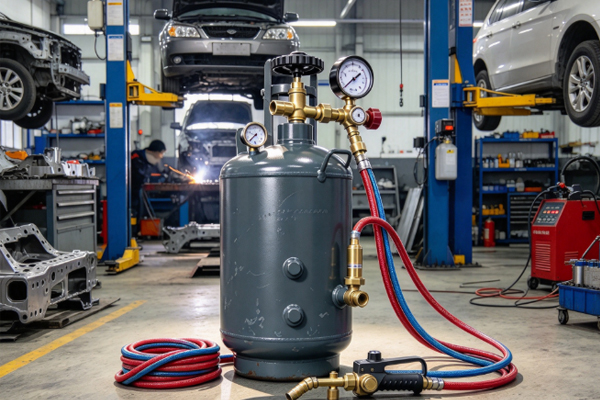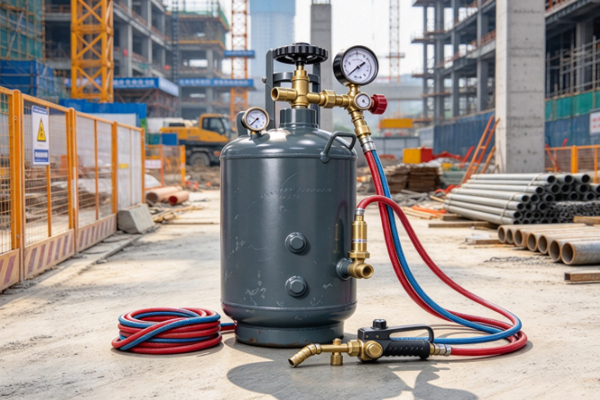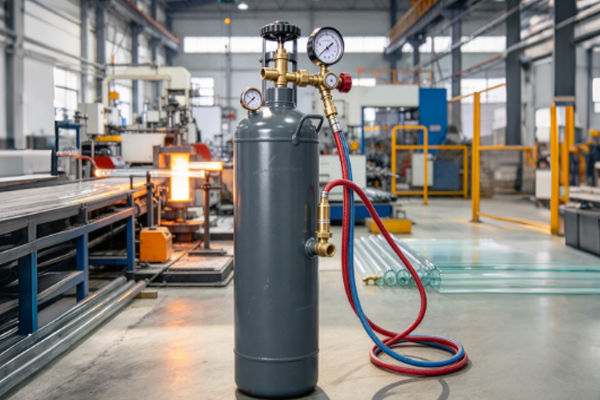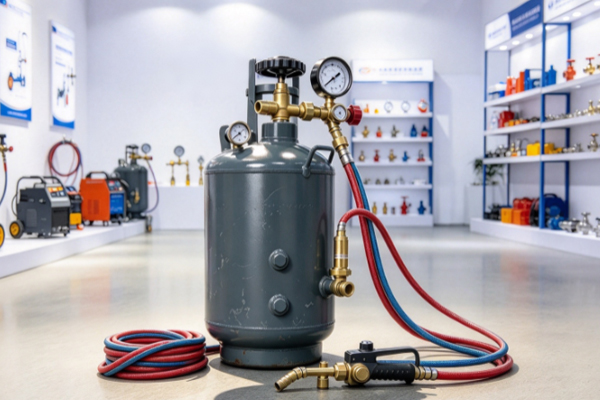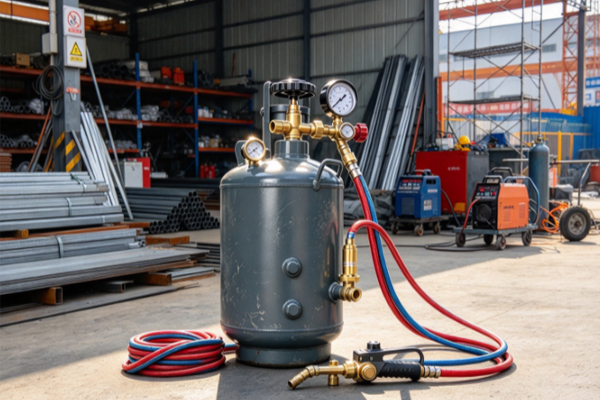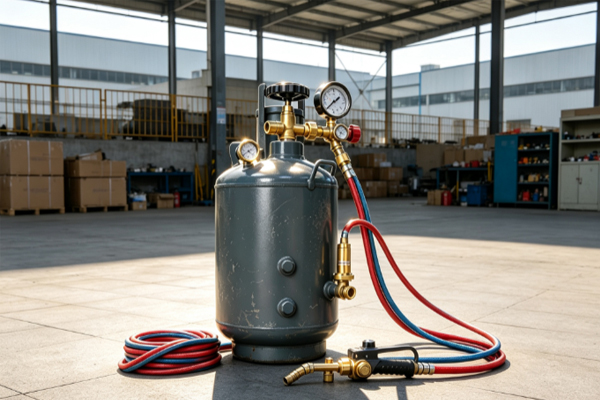
Many companies face the need to store acetylene gas cylinders for extended periods during production breaks, equipment shutdowns, or inventory management. However, unused cylinders still require proper management. Long-term storage conditions, placement methods, and regular inspections can all affect the condition of the equipment. Improper storage may lead to moisture damage, corrosion, or potential safety risks. For companies that need to keep acetylene equipment for long periods, proper storage management can extend service life and ensure more stable performance when the equipment is used again. Following correct acetylene storage tank usage practices is an important part of maintaining equipment safety.
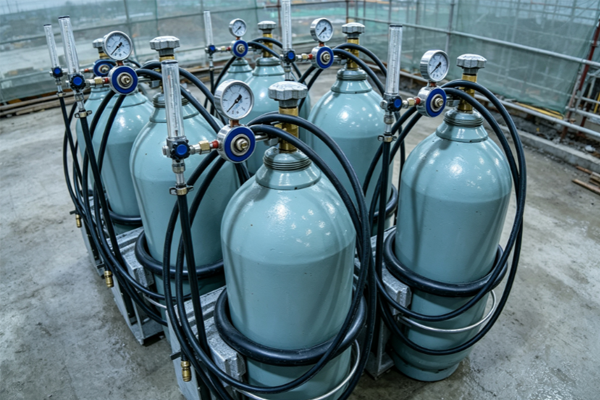
Choose a Suitable Storage Environment to Protect Acetylene Gas Cylinders
The storage environment is very important when acetylene gas cylinders are kept for a long time. Many equipment problems do not occur during operation but gradually develop while the cylinders are stored. Humid, hot, or poorly organized environments can affect cylinder condition over time.
Important storage conditions include:
- Maintain good ventilation: The storage area should have proper airflow and avoid being completely enclosed.
- Keep away from heat sources and flames: Avoid long-term exposure to direct sunlight or high-temperature areas.
- Prevent moisture and corrosion: Reduce contact with water vapor to avoid rust on the cylinder surface.
The storage area for acetylene gas cylinders should be kept dry, clean, and free from unnecessary items. A proper storage environment can reduce equipment aging and help maintain good cylinder condition when the equipment is put back into service.
Inspect and Record Cylinder Conditions Before Long-Term Storage
Before placing acetylene gas cylinders into long-term storage, inspection is an important step. Many companies focus only on equipment currently in use and overlook cylinders that are temporarily unused. A simple inspection before storage can make future use easier and help identify equipment conditions.
Before storage, check:
- Cylinder appearance: Look for dents, deformation, corrosion, or other visible damage.
- Valve condition: Confirm that related components are in normal condition.
- Equipment records: Keep information such as usage time and inspection details.
Keeping records makes future management easier and helps companies quickly evaluate cylinder conditions before reuse. For businesses managing multiple acetylene gas cylinders, maintaining basic equipment records can greatly improve management efficiency.
Perform Regular Inspections During Long-Term Storage
Long-term storage does not mean that acetylene gas cylinders can simply be left untouched. Over time, environmental changes may affect the equipment, so regular checks are necessary. This is especially important when cylinders have been stored for an extended period.
Regular inspections should focus on:
- Checking surface conditions: Look for rust, damage, or unusual changes on the cylinder body.
- Checking storage placement: Make sure cylinders have not been moved, damaged, or placed in unstable positions.
- Confirming surrounding safety conditions: Prevent new hazards from appearing near the storage area.
- Recording inspection dates: Keep management records for future reference.
Regular inspections do not need to be performed constantly, but they should not be ignored for long periods. Proper maintenance can reduce the possibility of equipment problems and make future production arrangements smoother.
Confirm Acetylene Gas Cylinder Conditions Before Reuse
After long-term storage, acetylene gas cylinders should not be connected directly to equipment without inspection. After being unused for a long time, the overall condition of the cylinder should be checked to ensure it meets operational requirements.
Before reuse, pay attention to:
- Inspecting the external condition: Confirm that there is no new damage or abnormal condition.
- Checking connection components: Make sure connections remain stable during operation.
- Confirming equipment suitability: Avoid using cylinders that may have potential problems.
For acetylene gas cylinders stored for long periods, inspection before reuse is especially important. Some companies skip this step to save time, which may create unnecessary risks during operation. Taking a little time to confirm equipment conditions can make production processes safer and more reliable.
Long-term storage of acetylene gas cylinders may seem simple, but it involves storage environment management, equipment inspection, and future operating safety. Companies should maintain suitable storage conditions, perform regular checks, and confirm cylinder status before reuse. Proper acetylene storage tank usage management can reduce equipment wear and improve safety during production. Choosing reliable acetylene equipment and maintaining good storage practices are important foundations for long-term and stable operation.