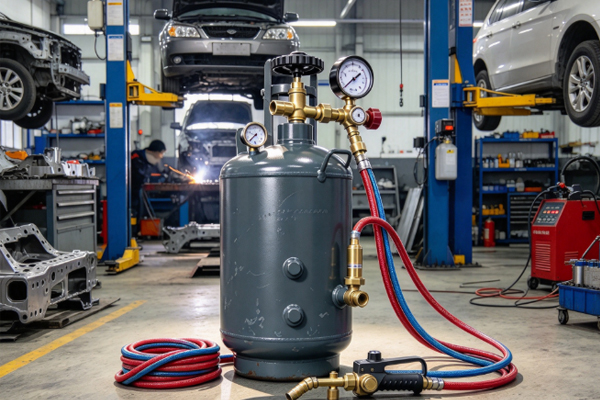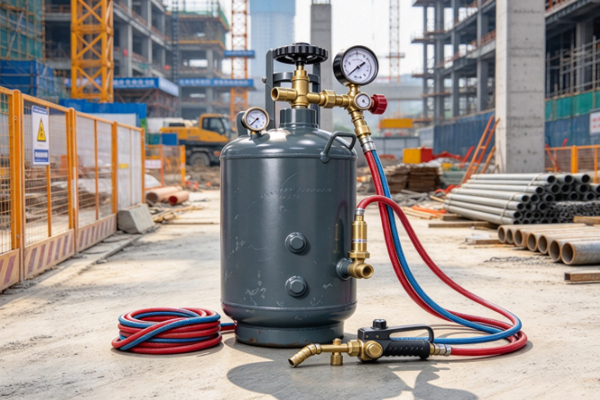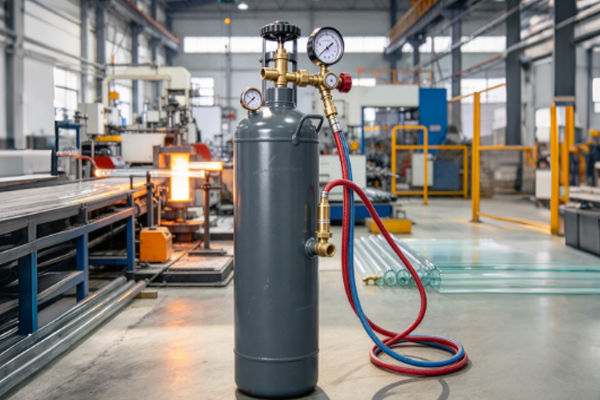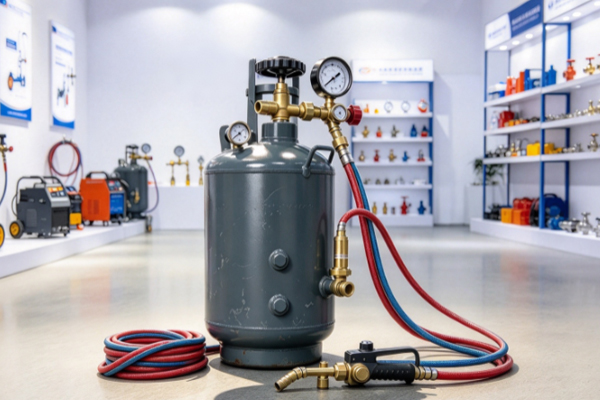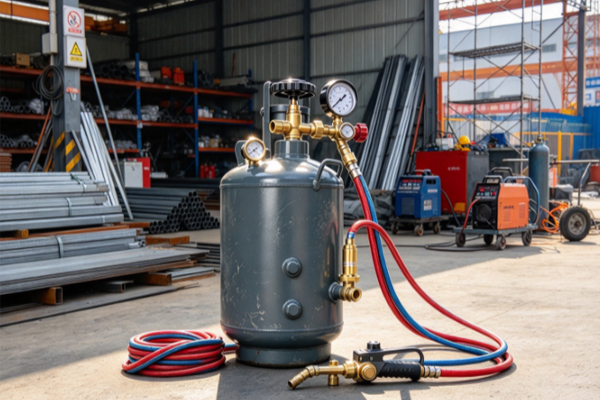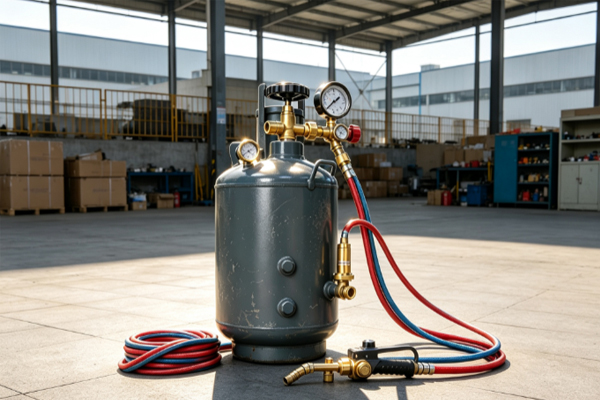
Installing an acetylene storage tank is not simply a matter of putting the tank in place and securing it. Welding fumes, metal dust, grinding debris, sand, and oil are common in industrial workshops, and these contaminants can gradually build up around valves, connections, and safety accessories. In busy workshops where people and equipment move frequently, dust can also spread through the air and settle on critical components. Proper dust protection during acetylene storage tank installation is not about sealing the tank completely. The goal is to keep the equipment clean, dry, well ventilated, and protected from unnecessary contamination and impact.
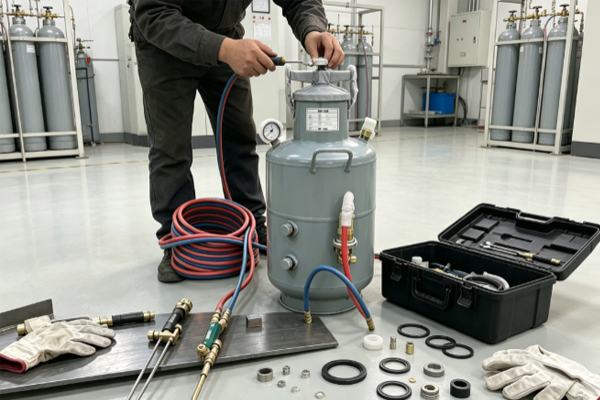
What Dust Protection Measures Are Needed When Installing an Acetylene Storage Tank?
Choosing the right installation location can make future cleaning and maintenance much easier. Before installation, the floor, surrounding equipment, and personnel access routes should be properly planned. The tank should be kept away from areas where large amounts of dust are generated. For metal processing, welding, and cutting workshops, the following details are particularly practical:
- Keep the tank away from high-dust processing areas, such as directly beside grinding or cutting machines.
- Do not place the bottom of the tank directly on damp soil. The installation area should be solid, level, and dry.
- Leave enough space around valves and connections for operation and inspection. Do not block them with dust covers, materials, or other equipment.
- If the workshop has heavy dust, suitable protective barriers can be installed to reduce direct exposure to welding debris, sand, and metal particles.
- After installation, remove sand, metal fragments, packaging materials, and other construction debris from the surrounding area.
Dust protection does not mean completely enclosing the tank. Acetylene is a flammable gas, so the storage and use area must also have adequate ventilation and be kept away from heat sources and locations where the tank could be damaged. OSHA requirements for acetylene cylinders also emphasize proper storage, ventilation, and protection against impact or falling objects.
How Should You Choose an Installation Location to Reduce Dust Accumulation?
When installing an acetylene storage tank in a workshop, do not choose a location simply because there is an empty space. Consider whether the area is prone to dust, water accumulation, or vehicle impact. Locations close to main aisles may be convenient for gas access, but forklifts and carts can stir up dust and also increase the risk of collision. A more suitable location is usually one with good ventilation, a level floor, and limited exposure to direct contact from vehicles and personnel. The area around the tank should also remain free of cardboard boxes, oil products, scrap materials, and other clutter so that cleaning and inspection remain easy. For outdoor installation, suitable protection against rain and direct sunlight can be provided, but the tank should not be completely enclosed or placed inside a structure that restricts ventilation or interferes with safety accessories.
How Can Acetylene Storage Tank Valves and Connections Be Protected From Dust?
The components that deserve the most attention are often the valves, connections, regulators, and other accessories. Dust on the tank body itself is usually less serious, but contamination around connections or critical components requires more attention. Fine dust can be particularly troublesome in workshops. It may look like nothing more than a dirty surface at first, but accumulated dust can make inspection and cleaning much more difficult over time.
- When the tank is not in use, install valve protection caps, connection dust caps, or plugs as required by the equipment and supplier.
- Do not place removed dust caps directly on the floor, where their internal surfaces can collect sand or oil.
- During cleaning, pay particular attention to the areas around valves, connections, pressure gauges, and safety accessories.
- If a connection is damaged, a valve behaves abnormally, or a protective component is missing, do not attempt to dismantle or repair it yourself. Contact a qualified gas supplier or professional technician.
- Do not drag, drop, or strike the tank during handling. Dust protection and impact protection should be treated as part of the same maintenance routine.
CGA guidance also recommends using manufacturer-provided valve protection caps, connection dust caps, or plugs when cylinders or containers are not connected for use, helping reduce contamination around critical components.
When cleaning the tank, avoid taking shortcuts. Do not use hard objects to strike valves or safety devices, and do not remove safety accessories simply to make cleaning easier. Surface dust can be cleaned using an appropriate method, while abnormal conditions involving valves, connections, or safety devices should be inspected by qualified professionals.
How Can You Reduce Workshop Dust After Acetylene Storage Tank Installation?
Once the acetylene storage tank has been installed, dust protection becomes part of routine site management. Workshop floors should be cleaned regularly, especially around cutting and grinding areas where metal dust and debris can accumulate quickly. It is best to mark out a dedicated area around the tank instead of using it as a temporary storage space. For outdoor equipment, a suitable canopy can help reduce direct exposure to rain and dust, but the structure should leave enough open space for proper ventilation. During routine inspections, if significant dust has accumulated around the tank, valves, or connections, clean the area promptly and check whether the protective caps, securing devices, and surrounding environment remain in good condition.
The purpose of dust protection during acetylene storage tank installation is to keep dust, rainwater, oil, and physical impact away from critical equipment components as much as possible. Choosing the right location, keeping the surrounding area clean, protecting valves and connections when the tank is not in use, and carrying out simple routine inspections can prevent many common problems. For welding, cutting, and steel fabrication workshops where dust levels can be relatively high, acetylene storage tank installation should not focus only on whether there is enough space. Future cleaning, ventilation, operation, and maintenance should also be easy to manage.