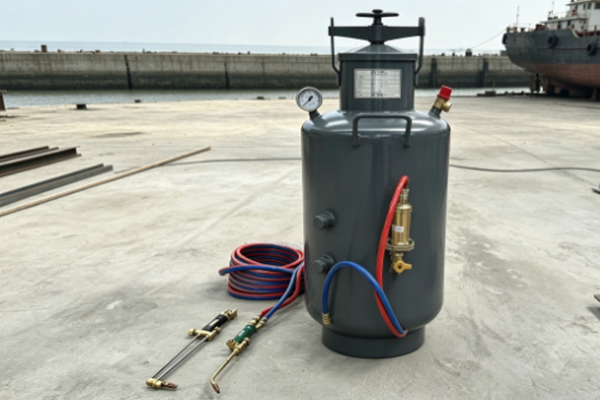
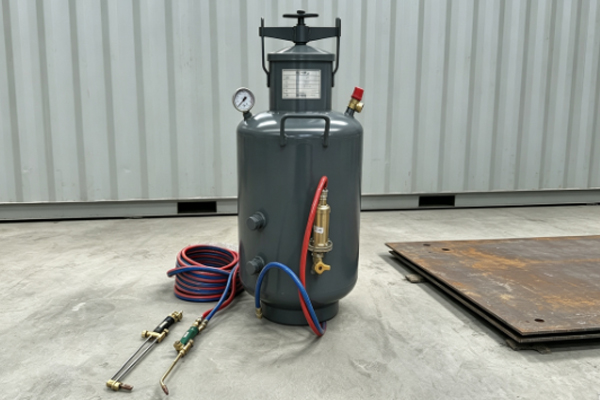
When buying an acetylene storage tank, many people face the same question: Is it easier to choose a standard model, or is a custom design a better fit for the site? Standard models come in fixed specifications and are usually easier to select. Custom models can be tailored to specific needs, but their prices and delivery times need to be checked in advance. Imagine receiving a tank only to discover that it is too tall, too wide, or has incompatible pipe connections. Fixing these problems can cost extra money and delay operations. The best choice depends on whether the tank fits the installation space, meets gas demand, and has the right configuration. Sorting out these details early makes budgeting and equipment selection much easier.
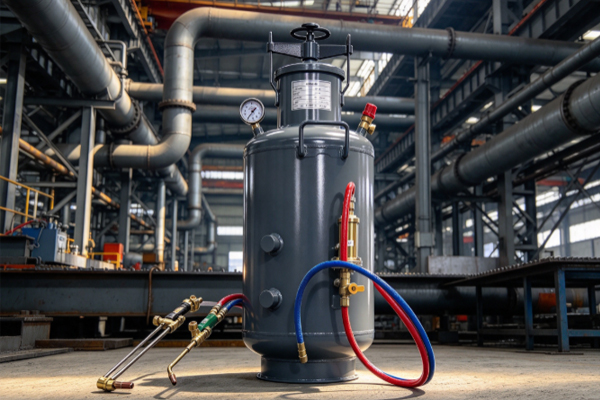
What Is the Difference Between Custom Acetylene Storage Tanks and Standard Models?
Simply put, standard models use specifications already developed or offered by the manufacturer, while custom models are designed around specific requirements. The better option depends on whether an existing product can meet your actual operating needs.
- Standard models are easier to select. If an available model fits your requirements, you can choose it without spending extra time discussing special dimensions or configurations.
- Custom models offer more flexibility. If the installation space is unusual or the piping connections have specific requirements, ask the manufacturer to assess whether a custom design can solve the problem.
- Prices can vary. Customization may add design, manufacturing, and inspection costs. The actual difference depends on the equipment requirements.
- Delivery time matters too. Standard models may be easier to arrange when stock is available, while custom equipment requires technical confirmation and production scheduling.
If a standard model already meets your needs, there is little reason to spend extra on special specifications. On the other hand, if the site has genuine requirements that standard models cannot meet, choosing an unsuitable model just to save money is not a good idea.
How Do You Choose the Right Acetylene Storage Tank Size? What Should You Measure?
Choosing an acetylene storage tank size involves more than checking the tank’s height and width. You also need to make sure the piping can be connected and the valves remain easy to operate after installation. The more accurate your site measurements are, the less likely you are to run into problems later.
- Measure the available space. Record the installation area’s length, width, and clear height. Do not wait until delivery to discover that the tank will not fit.
- Check the pipe connections. If the existing piping is already installed, confirm the connection positions and requirements in advance to avoid repeated modifications.
- Leave enough operating space. Valves must be accessible, and there must be room for inspection and maintenance. Fitting the tank into the space is not enough.
- Do not focus only on external dimensions. The equipment must also meet actual gas demand. Do not reduce the required specifications simply to save space.
If a standard model will not fit, do not immediately ask the manufacturer to change its dimensions. Send us your site measurements, installation photos, and gas requirements. We can help check whether a suitable standard model is available before assessing the need for customization.
Why Do Custom Acetylene Storage Tanks Cost More? What Should You Check in a Quote?
The price of custom equipment may include more than the tank itself. Design work, manufacturing, inspections, and additional components can all affect the final cost. When requesting a quote, ask for a clear breakdown instead of looking only at the total price. Some quotes include accessories, while others cover only the main equipment, making direct price comparisons misleading.
- More specialized requirements may increase costs. Special connections, structures, or supporting designs can affect the final price.
- Check which accessories are included. Confirm whether valves, instruments, and other supporting equipment are covered by the quote.
- Ask about transportation and installation. These costs deserve extra attention when the factory is far away or site conditions make installation more complicated.
- Confirm delivery time and documentation. Check not only when the equipment can be shipped, but also what technical documents, inspection records, and after-sales services are provided.
Some standard models may look cheaper at first, but the final cost can rise if you need to buy additional accessories or modify the piping. Comparing the included components and itemized costs is more useful than simply choosing the lowest quote.
Should You Choose a Standard or Custom Acetylene Storage Tank?
If an existing standard model meets your gas demand, installation space, and connection requirements, it is usually worth considering first. Selection is more straightforward, and budgeting is often easier. If the site has unusual space restrictions, specific connection requirements, or confirmed technical needs, a custom solution may be more suitable. Keep in mind that acetylene is a flammable gas. Tank structures and critical parameters must not be changed casually to fit a site; qualified technical professionals must assess the design to ensure it meets applicable safety requirements.
There is no need to assume that custom tanks are always better or that standard models are always cheaper. Confirm your site dimensions, gas demand, and equipment requirements before comparing prices and delivery times. If you are unsure which model to choose, contact us with your site measurements and basic operating requirements. We can help review the acetylene storage tank dimensions and configuration options, helping you avoid unnecessary costs and the trouble of discovering after delivery that the equipment does not fit.