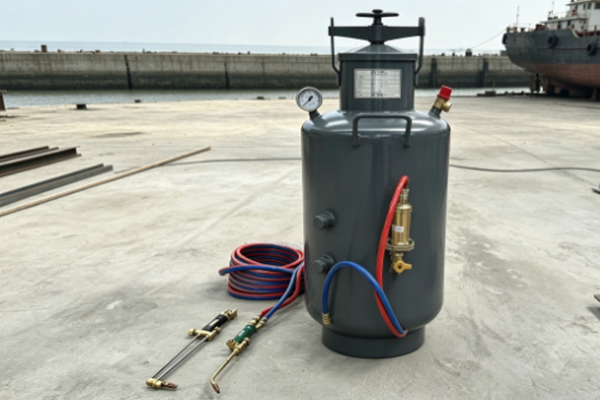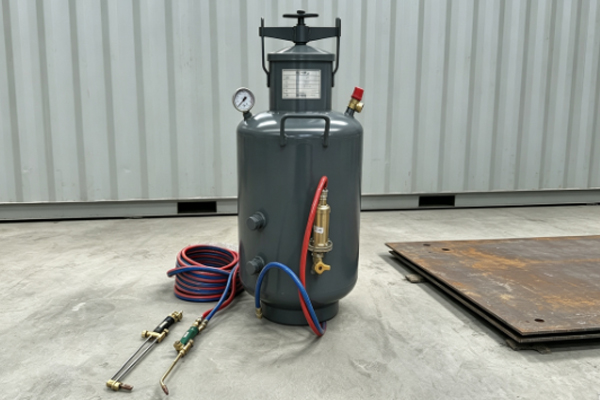
An acetylene cylinder may look similar to other industrial gas cylinders, but the way it stores gas is quite different. Acetylene is highly flammable and can undergo dangerous decomposition under certain conditions, so it cannot simply be compressed into an empty steel cylinder. The acetylene cylinders commonly used for welding, metal cutting, and repair work typically use a dissolved storage method to keep the gas stored under controlled conditions. Understanding how acetylene is stored helps factories choose suitable equipment and gives workers a clearer idea of what they should and should not do during everyday operations.
How Is Acetylene Stored in a Cylinder? Why Can’t It Simply Be Compressed?
Storage methods used for ordinary gases are not always suitable for acetylene. Because acetylene can decompose under certain pressure and temperature conditions, common industrial acetylene cylinders do not rely on high pressure alone. Instead, they use a specially designed structure that allows the gas to dissolve in a solvent.
- The cylinder contains porous filler. This material occupies the interior space and provides a stable structure for the solvent and acetylene. It is not simply an empty steel container.
- A suitable solvent is used inside the cylinder. Dissolved acetylene cylinders commonly use solvents such as acetone, in which the acetylene dissolves. The exact configuration depends on the cylinder design.
- The acetylene is stored in dissolved form. This method supports gas storage and normal supply while reducing the risks associated with relying solely on high-pressure compression.
The filler, solvent, and filling quantity must all meet specific requirements. Never add liquid to a cylinder or modify its internal structure yourself. Acetylene storage equipment must also be handled differently from ordinary compressed-air cylinders. Always follow the equipment’s intended use and operating instructions.
What Is Inside an Acetylene Cylinder? What Does the Porous Filler Do?
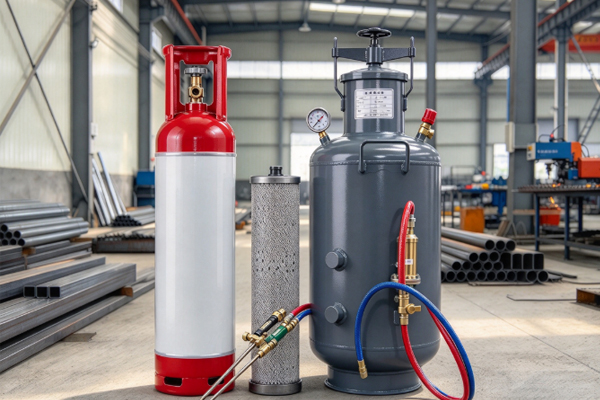
Some people assume an acetylene cylinder contains nothing but gas. In reality, its internal structure is essential to safe storage. A typical dissolved acetylene cylinder consists of a steel shell, a cylinder valve, porous filler, and a suitable solvent. Each component has a specific function and must not be modified without authorization.
- Steel cylinder shell: Provides external protection and withstands the operating conditions for which the cylinder is designed.
- Porous filler: Creates a network of pores inside the cylinder, helping the solvent and dissolved acetylene remain distributed within the intended structure.
- Solvent: Dissolves the acetylene. Suitable solvents, such as acetone, are used in common dissolved acetylene cylinders.
- Cylinder valve and related accessories: Allow filling and gas supply connections. They must remain in good condition, and incompatible replacement parts must not be installed without approval.
These components work together as a complete storage system. Even if a cylinder looks normal from the outside, a damaged valve, suspected leak, severe impact, or exposure to high temperatures can make it unsafe. Have qualified professionals inspect it before further use.
How Should Acetylene Cylinders Be Used and Stored Safely?
Understanding the storage principle makes daily handling easier to manage. It is not enough to check whether gas remains in the cylinder. Workers also need to pay attention to the storage environment, cylinder condition, and connection points. The following practices are particularly important in welding workshops, metalworking plants, and repair facilities.
- Keep cylinders away from flames and heat sources. Store them in designated areas that meet applicable requirements, away from prolonged direct sunlight and high-temperature work zones.
- Inspect valves and connections. If you notice an unusual odor, signs of leakage, or damaged components, stop the relevant work, move away from the danger area, and notify qualified personnel.
- Store and secure cylinders properly. Common acetylene cylinders should be stored upright and secured against tipping in accordance with applicable requirements. Avoid impacts, rolling, or unnecessary movement.
- Never dismantle or modify a cylinder yourself. Valves, internal filler, and solvents are subject to specific design requirements and should not be repaired or adjusted without qualified assistance.
Cylinder filling, inspection, and maintenance should be handled by appropriately qualified service providers. If a cylinder becomes unusually hot, is exposed to fire, or shows signs of an internal abnormal condition, do not move or attempt to handle it yourself. Leave the danger area and contact qualified emergency personnel immediately.
What Is the Difference Between an Acetylene Storage Tank and a Standard Acetylene Cylinder?
An acetylene cylinder usually refers to a portable dissolved acetylene cylinder used for welding, cutting, and similar applications. The term “acetylene storage tank,” however, may refer to different types of storage or gas supply equipment depending on the project. Not every product uses the same internal structure or storage method. Before purchasing, confirm the equipment type, storage method, operating pressure, gas demand, and installation conditions, then check the applicable product standards and technical documentation. For factories requiring a centralized gas supply, qualified technical professionals should assess equipment selection, piping configuration, and safety requirements rather than relying on appearance or capacity alone.
The safe storage of acetylene in a dedicated cylinder depends on its porous filler, suitable solvent, and specially designed shell—not simply on compressing gas into steel. When using acetylene storage equipment, follow the operating, storage, and inspection requirements for the specific equipment type. If you are looking for acetylene cylinders or industrial acetylene storage equipment, contact us with your gas demand, installation environment, and supply requirements. We can help review the equipment specifications and compatible components so you can find a solution that suits your site.