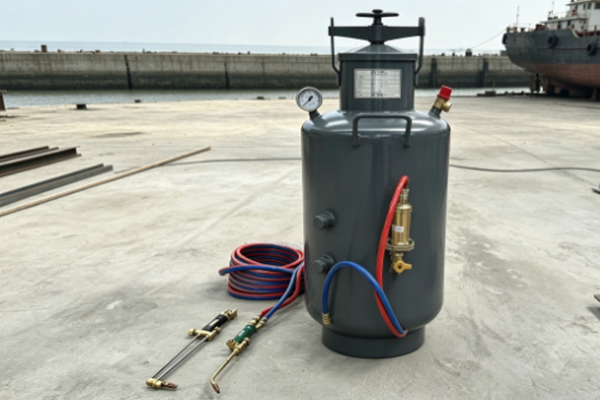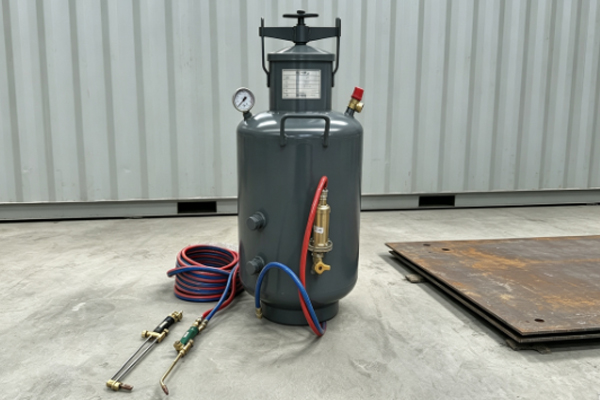
Buying acetylene equipment without checking its dimensions can lead to problems later. The equipment may arrive at your factory only for you to discover that it is too tall, too wide, or simply will not fit in the available installation space. Rearranging the site can be a hassle. So, how do you determine the dimensions of an acetylene cylinder? You do not need to start with complicated technical parameters. Check the equipment nameplate first, then verify the nominal capacity, cylinder height, and outside diameter. Keep in mind that standard acetylene cylinders and industrial centralized gas supply equipment are different products, so you cannot judge their sizes by appearance alone. Confirm the model and available space before choosing a specification to make the process much easier.
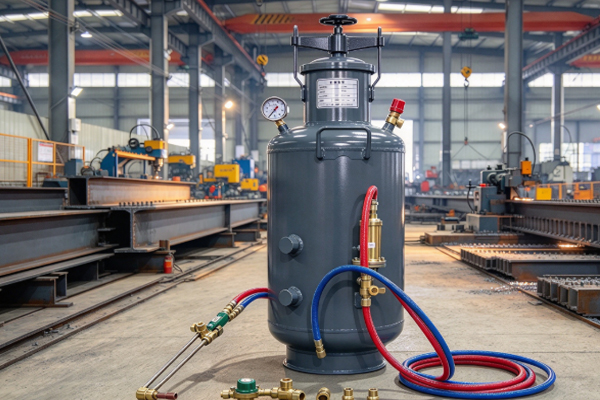
How Do You Check Acetylene Cylinder Dimensions? What Should You Look for on the Nameplate?
If you want to know how large a piece of equipment is, checking its nameplate and product documentation is much more reliable than estimating by eye. The following details are particularly useful when purchasing a replacement or another unit of the same specification.
- Nominal capacity: A common 40 L acetylene cylinder has a nominal capacity of 40 liters. This does not mean it contains 40 liters of acetylene gas.
- Outside diameter: This measurement helps you determine how much width the cylinder will occupy.
- Overall height: Distinguish the cylinder body height from the total height, including the valve and other fittings.
If the nameplate is worn or unreadable, do not guess the model. Take photos of the existing markings and the equipment, then ask the manufacturer to verify the specifications.
How Do You Measure Acetylene Cylinder Height and Diameter? How Much Space Should You Allow?
If the equipment is going into a workshop, checking the product dimensions is only part of the job. You also need to measure the installation area. Record measurements in millimeters to make later communication easier.
- Measure the height: Record the cylinder body height and note whether the valve is included.
- Measure the outside diameter: Measure the widest part of the cylinder body, without confusing it with protruding parts such as protective rings.
- Measure the available space: Check door frames, overhead beams, and existing pipes so the equipment does not arrive only to find that it will not fit.
- When placing multiple cylinders: Allow space for securing them against falling, operation, and maintenance. Do not calculate the required space based on the cylinder bodies alone.
Once you have measured the site, send the dimensions and photos to the manufacturer for verification. This can help prevent unnecessary adjustments after the equipment arrives.
How Big Is a 40 L Acetylene Cylinder? Why Do Dimensions Vary Between Models?
The 40 L acetylene cylinder is a common specification, but cylinder body designs and accessory configurations can vary between products. Always refer to the documentation for the specific model to confirm its actual height and outside diameter. Also note that a cylinder’s nominal capacity is not the same as the amount of acetylene it can store. Dissolved acetylene cylinders contain specialized porous material and solvent, so the actual gas content cannot be calculated from external dimensions alone. If you are planning the installation space, check the cylinder dimensions, valve height, and operating clearance together. Do not order a product based only on dimensions listed online for a similar model.
What Size Acetylene Cylinder Should You Choose? What Should You Confirm Before Buying?
Choosing the right size makes installation easier and day-to-day use more convenient. Select equipment based on actual gas demand rather than simply choosing the largest option or reducing the size arbitrarily to save space.
- For low gas demand: Check whether a standard size will meet your needs.
- For several workstations using gas at the same time: Have a qualified professional assess the gas demand and equipment configuration.
- When space is limited: Provide the available length, width, and height in advance to confirm whether installation is feasible.
- For centralized gas supply: Account for the space required by the cylinder bank, piping, and valve assemblies.
The key to determining acetylene cylinder dimensions is to verify the nameplate specifications, actual external dimensions, and available installation space. If you are unsure which model to choose, contact us with a photo of the equipment nameplate, the site measurements, and your basic gas requirements. We can help check the cylinder dimensions and related configuration so you can select equipment suited to your site and reduce the risk of ordering the wrong model or having to redo the installation.