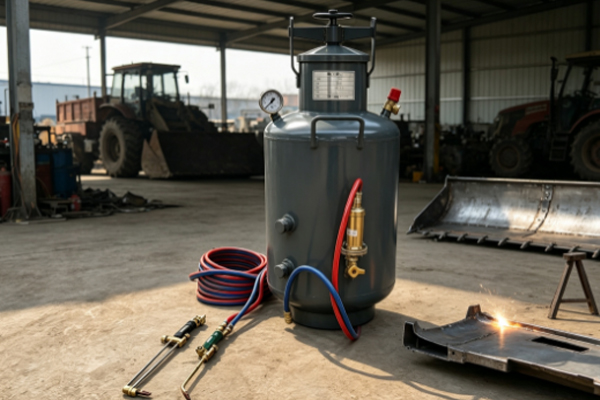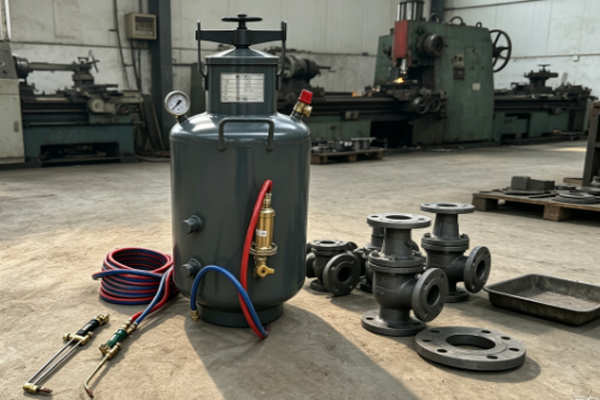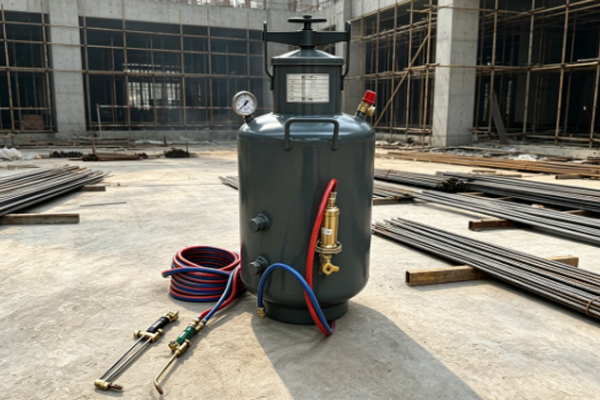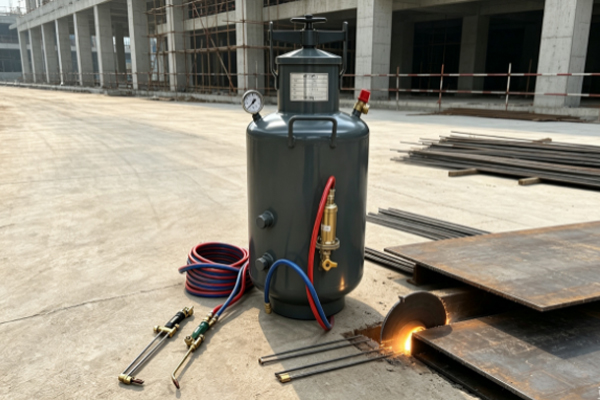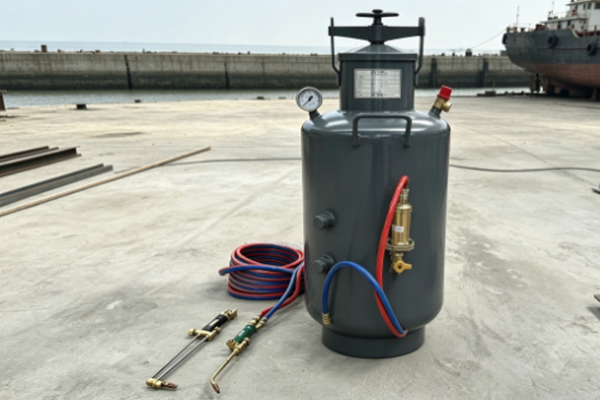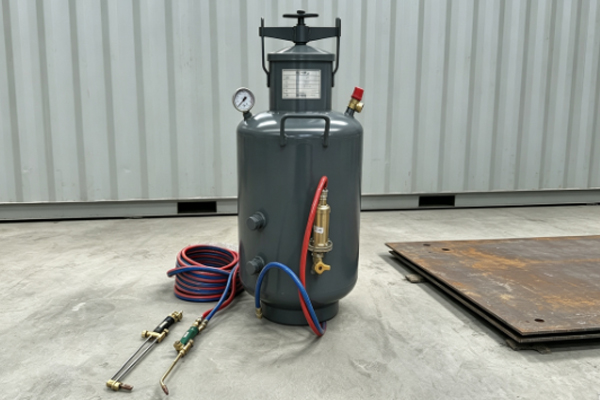
How much steel can you cut with one acetylene tank? This is a practical question when purchasing acetylene cylinders. For welding shops, steel construction sites, and metal fabrication workshops, knowing how long a cylinder will last helps keep daily operations on schedule. If the gas supply runs out halfway through a job, work may have to stop while another cylinder is arranged. Buying too many cylinders, on the other hand, increases purchasing and storage costs. There is no fixed answer to how much work one acetylene tank can handle. Tank capacity, steel thickness, cutting time, and equipment settings all affect the final result.
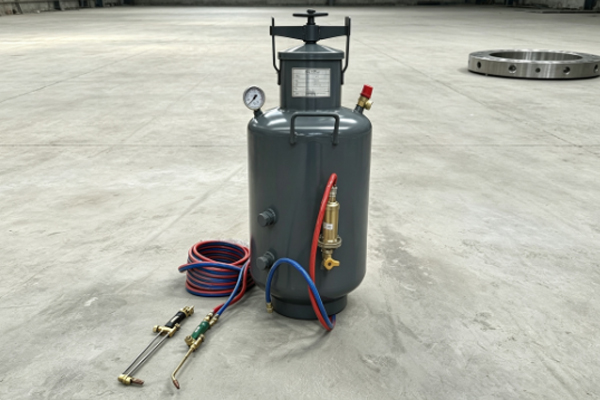
How Long Do Different Acetylene Tank Sizes Last?
Different acetylene tank sizes provide different amounts of usable gas. A common 40L dissolved acetylene cylinder does not contain 40 liters of free acetylene gas. Instead, acetylene is stored using a solvent and porous filler material. This means the cylinder’s water capacity cannot be used directly to calculate cutting time.
To estimate how long one tank will last, consider its actual usable gas volume and the amount of acetylene consumed per hour.
- Small cylinders: Suitable for short, occasional cutting jobs.
- 40L cylinders: Commonly used for general industrial cutting.
- Larger gas supplies: Better suited to jobs that require longer operating periods.
- Multiple cylinders: Can support extended operations but require proper gas supply management.
For example, if a cylinder contains approximately 5m³ of usable acetylene and the equipment consumes 0.5m³ per hour, the theoretical gas supply time is around 10 hours. This is only a calculation example. Actual usable gas volume should be confirmed through the cylinder markings, filling conditions, and product specifications.
How Thick a Steel Plate Can One Acetylene Tank Cut?
The amount of work one acetylene tank can handle varies significantly when cutting thin and thick steel plates. Thin plates generally require less preheating time, while thicker plates need longer preheating and a suitable cutting flame. This usually increases acetylene consumption.
During actual cutting operations, pay attention to the following factors:
- Thin steel plates: Usually require less gas per unit of cutting length.
- Medium-thickness plates: Consumption depends on nozzle size and cutting speed.
- Thick steel plates: Longer preheating time generally means higher gas consumption.
- Continuous cutting: Uses up the gas supply more quickly.
Keep in mind that acetylene is not the only gas consumed during steel cutting. Oxygen is also used continuously. Cutting performance depends on the nozzle type, oxygen pressure, flame adjustment, and operator technique. Tank capacity alone cannot tell you how much steel an entire project can cut.
Why Do Some Acetylene Tanks Last Longer Than Others?
Some factories purchase acetylene tanks of the same size but get different operating times from them. This usually comes down to daily workloads and equipment conditions. For example, continuous cutting throughout the day produces a different consumption pattern from work that involves frequent stops and restarts. An unsuitable cutting nozzle or poorly adjusted flame can also waste gas.
To maintain a more stable gas supply, use cutting equipment that matches the job requirements. Check the pipelines and connections regularly, and adjust operating parameters according to the equipment instructions. If the gas supply becomes unstable, the flame behaves unusually, or a leak is suspected, stop working and have qualified personnel inspect the equipment. Never attempt to dismantle the cylinder valve yourself.
How Do You Choose the Right Acetylene Tank Capacity for Cutting?
When purchasing an acetylene tank, do not choose its capacity based only on a single cutting job. A more practical approach is to estimate daily cutting hours, steel thickness, expected gas consumption, and how easily cylinders can be replaced at the worksite. For short-term projects with irregular gas consumption and a filling station nearby, traditional acetylene cylinders are usually a convenient choice. For long-term, continuous cutting projects in locations without acetylene filling stations, a more stable gas supply solution may be worth considering.
The amount of cutting work one acetylene tank can handle depends on how much steel needs to be cut each day, how long each job takes, and how easily the cylinder can be replaced. For factories with frequent cutting operations, choosing the right tank size in advance can reduce interruptions caused by changing cylinders. If you are unsure which capacity is suitable, share your steel thickness and estimated daily cutting hours with us. We can recommend an acetylene tank that better matches your actual gas consumption and production schedule.