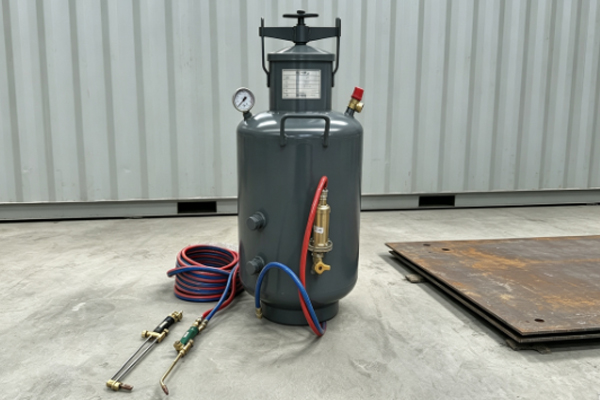
Construction sites involve a wide range of activities, and acetylene is often needed for welding, steel cutting, and pipe fabrication. However, bringing an acetylene tank to the site and placing it in an empty space is not enough. An unsuitable installation location can disrupt the gas supply and create safety risks for workers. Large construction sites are especially challenging because material storage areas, vehicle routes, and hot work zones are often close together. An acetylene tank needs a stable, properly managed installation area. Planning the site layout, ventilation, fire protection, and pipeline connections in advance can prevent many problems later. So, what conditions must a construction site meet before an acetylene tank can be installed?
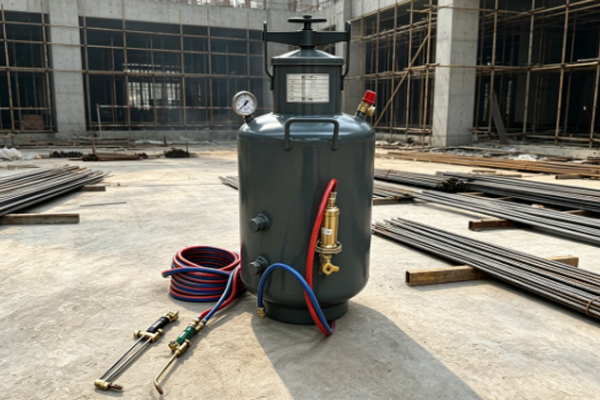
What Site Conditions Are Required for Installing an Acetylene Tank?
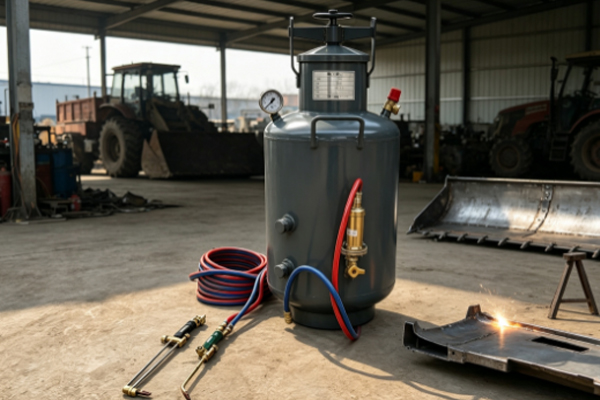
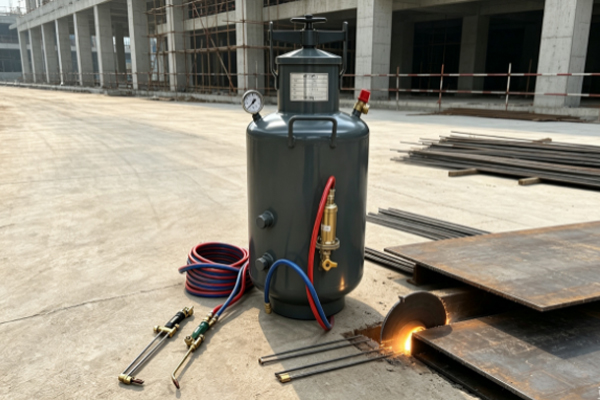
The installation location should be planned before the equipment arrives. It should not simply be placed wherever there happens to be available space. Excavators, transport vehicles, and other heavy machinery frequently move around construction sites. If the tank is installed too close to a vehicle route, it may be struck or damaged. Storing steel materials, wooden boards, and other construction supplies around the equipment can also make inspection and daily operation more difficult.
When choosing an installation location, pay attention to the following requirements:
- Level ground: The surface should be firm and stable enough to support the equipment’s weight.
- Distance from ignition sources: Keep the tank away from welding, cutting, and open-flame work areas.
- Sufficient operating space: Leave room for workers to inspect valves, pressure gauges, and pipeline connections.
- Protection from vehicles: Avoid busy access routes where construction vehicles or heavy machinery could hit the tank.
The installation area must also meet the fire separation distances and other requirements specified in the equipment documentation and local safety regulations. These distances should never be estimated based on personal experience alone.
What Safety Measures Are Needed When Installing an Acetylene Tank?
Construction sites have frequent personnel movement, and work areas often change as projects progress. After installing an acetylene tank, establish a clearly designated equipment area so that other construction activities do not interfere with it. This is particularly important during steel structure work, pipeline welding, and metal cutting, where sparks and high temperatures are common.
The following precautions should be taken during installation and operation:
- Display clear no-smoking and no-open-flame signs.
- Provide suitable fire protection equipment in accordance with site requirements.
- Maintain adequate ventilation to prevent leaked acetylene from accumulating.
Access to the equipment area should also be restricted to authorized personnel, with trained workers responsible for operation. If a suspected leak occurs, stop the relevant work immediately and follow the site’s emergency procedures. Qualified personnel should carry out the inspection. Never use an open flame to check for leaks or dismantle valves and safety devices without authorization.
What Should Be Checked After Installing an Acetylene Tank?
Completing the installation does not mean the equipment is ready for immediate use. The tank, pipelines, connections, and pressure control system must be inspected before construction work begins. Gas supply points on a construction site may be spread across different locations, so pipeline routing and connection arrangements need careful planning. For projects involving continuous cutting over long working hours, frequent gas supply problems can easily delay progress.
Before putting the equipment into operation, check the following:
- Tank condition: Look for visible deformation, significant corrosion, or physical damage.
- Valves and connections: Confirm that fittings are correctly installed and securely connected.
- Pressure gauge: Make sure the readings are functioning normally.
- Gas pipelines and safety devices: Check that pipelines are undamaged and all required protective devices are intact.
Pipeline leak testing and equipment performance inspections should be carried out by qualified personnel using approved procedures. If abnormal pressure, equipment damage, or signs of leakage are found, stop using the equipment and arrange professional maintenance.
How Can Construction Sites Maintain a Stable Acetylene Supply During Long-Term Projects?
Acetylene consumption at construction sites usually changes as the project progresses. Gas demand may increase significantly during steel cutting, metal fabrication, and pipeline welding, then decrease as the project approaches completion. If the tank capacity is too small, the gas supply may not keep up during busy periods. Choosing equipment that is unnecessarily large can also increase investment costs. Before installation, estimate daily acetylene consumption, the number of simultaneous workstations, and the expected project duration.
For long-term projects, equipment maintenance, pipeline inspections, and backup gas supply arrangements should also be planned in advance. If the construction site is far from a filling station, transporting empty tanks, arranging gas refills, and waiting for delivery can all affect the work schedule. Selecting an appropriate acetylene tank and leaving enough space for installation and maintenance can help reduce supply interruptions. When purchasing equipment, pay attention to tank quality, safety accessories, operating requirements, and after-sales support rather than comparing prices alone.
Installing an acetylene tank at a construction site requires more than finding a suitable place to position the equipment. Ground conditions, nearby ignition sources, ventilation, and pipeline connections all affect long-term operation. Short-term projects can arrange equipment according to actual gas consumption, while long-term construction work requires closer attention to supply capacity and maintenance. We provide acetylene storage tanks in different specifications and can recommend suitable equipment based on construction type, daily gas consumption, project duration, and site conditions. If you are preparing for a construction project, contact us with your destination country, purchase quantity, and gas consumption requirements to receive equipment recommendations and a quotation.