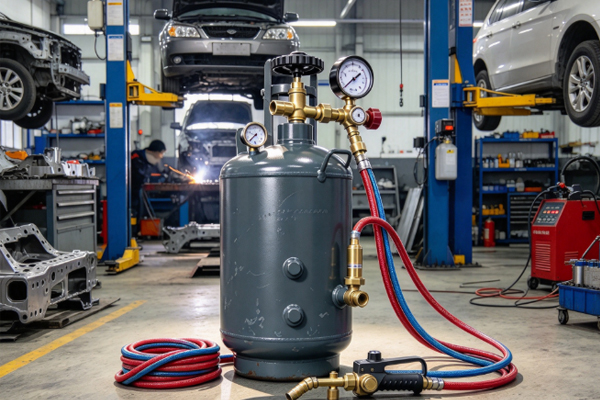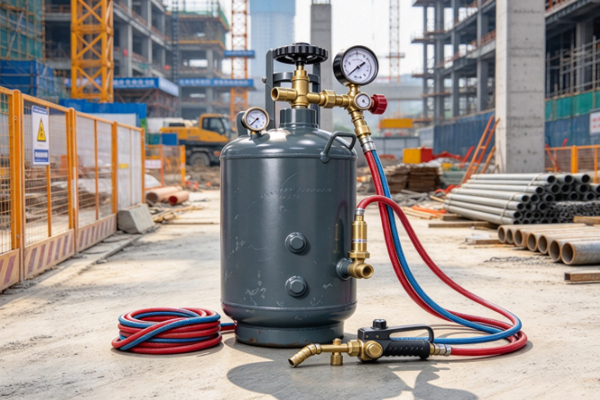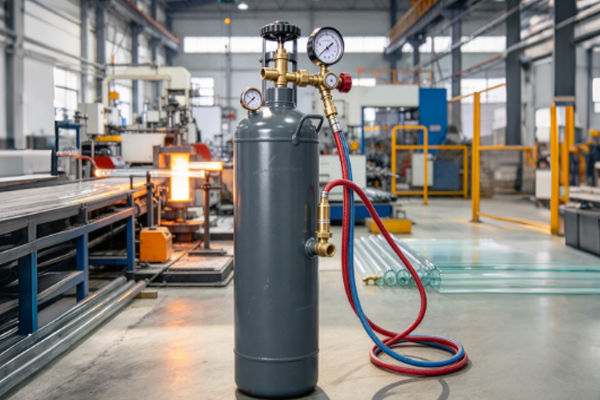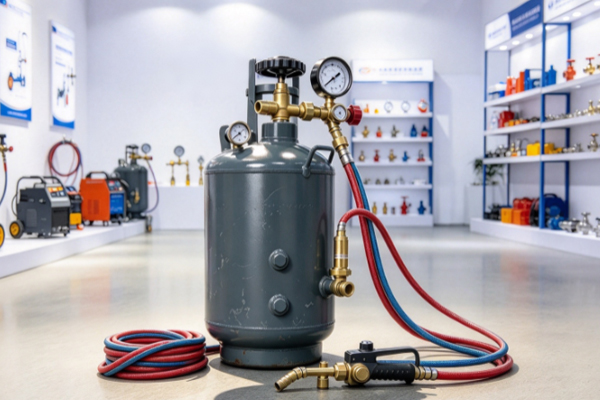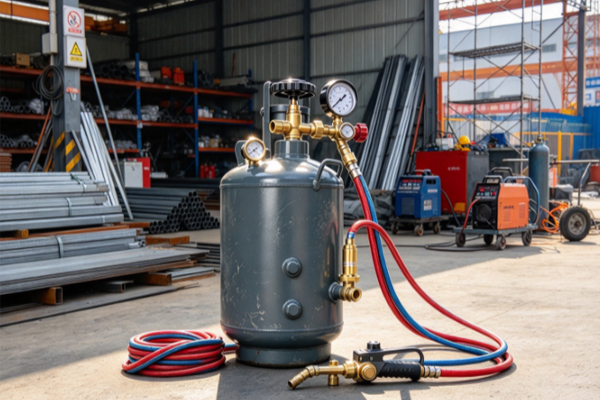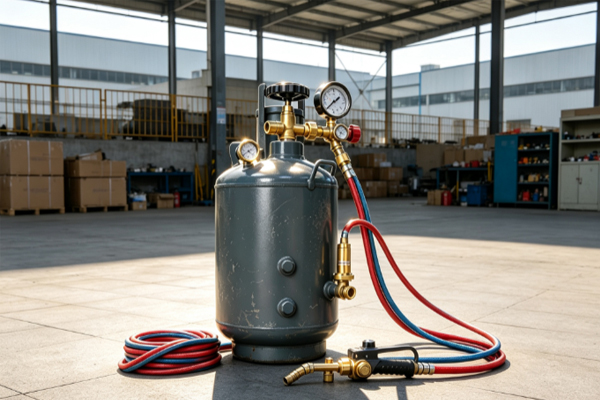
Acetylene cylinders are commonly used in welding, cutting, metal processing, and other industrial operations. Correct operating procedures directly affect production efficiency and workplace safety. Since acetylene is a flammable gas, strict operating requirements should be followed during cylinder transportation, installation, connection, valve opening, and gas shutdown procedures.
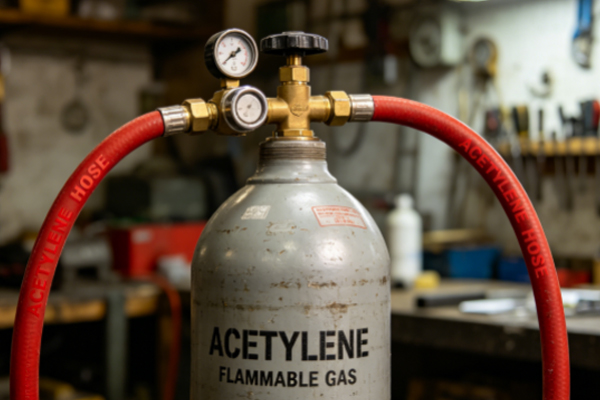
Proper use of acetylene cylinders not only ensures stable gas supply but also reduces risks caused by equipment damage, gas leakage, and improper operation. In different working environments, operators need to understand the structure, operating requirements, and safety management methods of acetylene cylinders to maintain reliable equipment performance. Establishing correct operating habits is an important step in improving acetylene cylinder usage safety.
Importance of Acetylene Cylinder Safety Operating Regulations
Acetylene cylinder safety operating regulations are designed to guide workers in using gas cylinder equipment correctly and maintaining stable gas storage and supply processes. Acetylene cylinders contain pressurized gas, and during long-term operation, they must withstand internal pressure. Improper operation methods may affect valves, connection components, and the overall cylinder structure.
Following standardized operating procedures helps reduce incorrect actions, such as opening valves too quickly, connecting unsuitable accessories, or moving cylinders improperly. Correct operation allows gas to be released smoothly according to work requirements and prevents unstable pressure changes from affecting welding or cutting performance.
In industrial production environments, acetylene cylinders usually work together with welding torches, pressure regulators, and gas hoses. Any problem in one connection point may influence the entire gas supply system. By following safety operation requirements, equipment coordination can be improved, allowing workers to complete tasks more efficiently.
Safety regulations apply not only during operation but also during equipment transportation, storage, and maintenance. Good operating habits can extend the service life of acetylene cylinders and related accessories while improving equipment management efficiency.
What Should Be Checked Before Using an Acetylene Cylinder?
Before an acetylene cylinder is put into operation, the equipment condition should be fully inspected. Inspection procedures help identify abnormal conditions in advance and prevent damaged equipment from being used.
The cylinder surface should remain intact without obvious impact marks, serious corrosion, or abnormal deformation. The valve area should be kept clean, and the opening and closing functions should operate normally. Pressure regulators, hoses, and other accessories should also be checked to confirm they are suitable for acetylene use and properly connected.
The working area should be inspected before operation. Potential hazards such as open flames, high-temperature equipment, and flammable materials should be kept away from the cylinder. The acetylene cylinder should be placed in a stable position and secured properly to prevent external impact.
Pre-use inspections help operators understand the current equipment condition, reduce problems during operation, and provide reliable preparation for safe cylinder use.
What Are the Safe Operating Steps for Acetylene Cylinders?
Every step in the acetylene cylinder operation process should follow proper procedures. Correct operating methods help maintain stable gas supply and reduce the possibility of equipment problems.
Important operating requirements include:
- Keep the cylinder in an upright position:During use, the acetylene cylinder should remain stable and upright to prevent tipping, valve damage, or abnormal operation.
- Install the pressure regulator correctly:Confirm that the regulator matches the cylinder connection, and check sealing performance after installation to prevent leakage.
- Open the cylinder valve slowly:The valve should be opened gradually to ensure smooth pressure adjustment and avoid sudden pressure changes.
- Adjust gas pressure properly:Set the output pressure according to welding or cutting equipment requirements to maintain suitable working conditions.
- Monitor equipment operation:During use, check whether gas supply remains stable. Stop operation if abnormal sounds, odors, or pressure changes appear.
- Shut off gas supply after completing work:After operation, close the cylinder valve, release remaining gas from the pipeline, and organize the equipment properly.
Following standardized operating procedures improves acetylene cylinder reliability and reduces problems caused by incorrect handling, allowing gas supply to remain safer and more stable.
What Should Be Considered During Acetylene Cylinder Operation?
During acetylene cylinder operation, continuous attention should be given to equipment conditions and changes in the working environment. Operators should not strike the cylinder or use unsuitable tools for installation and adjustment. Valve operation should remain smooth to avoid sudden pressure changes.
When connecting welding equipment, confirm that gas hoses are not aged, damaged, or unsuitable for operation. Connection points should remain secure to prevent gas leakage. If abnormal conditions occur during use, operation should be stopped immediately and the cause should be checked.
When moving acetylene cylinders, correct handling methods should be used to prevent damage to the cylinder body and valve area. During transportation, cylinders should be properly secured to prevent rolling or strong vibration.
Storage conditions are also an important part of operational management. Acetylene cylinders should be kept away from ignition sources and heat sources and stored in dry, well-ventilated areas. Avoiding contact with corrosive substances helps reduce cylinder surface damage.
Safe operation includes not only the usage stage but also transportation, storage, and maintenance processes. Proper management allows acetylene cylinders to maintain stable performance over long-term use.
Acetylene Cylinder Safety Management Methods
Long-term acetylene cylinder use requires effective safety management methods. Through daily inspection, operator training, and equipment maintenance, workplace management can be improved and equipment problems can be reduced.
Safety management methods include:
- Establish standardized operating procedures:Develop clear operation requirements based on actual work conditions and ensure workers follow consistent processes.
- Strengthen operator training:Provide regular training so workers understand cylinder structures, operating methods, and emergency handling procedures.
- Maintain equipment records:Record inspection dates, maintenance activities, and equipment conditions for easier tracking and management.
- Inspect accessories regularly:Check pressure regulators, hoses, and connection components, and replace damaged parts when necessary.
- Arrange regular equipment inspections:Conduct cylinder inspections according to applicable requirements to ensure continued safe operation.
Through scientific management and standardized operation, acetylene cylinder safety can be improved and equipment failure risks can be reduced. Proper operating procedures, suitable storage conditions, and continuous maintenance allow acetylene cylinders to provide reliable gas support for welding, cutting, and industrial production applications.