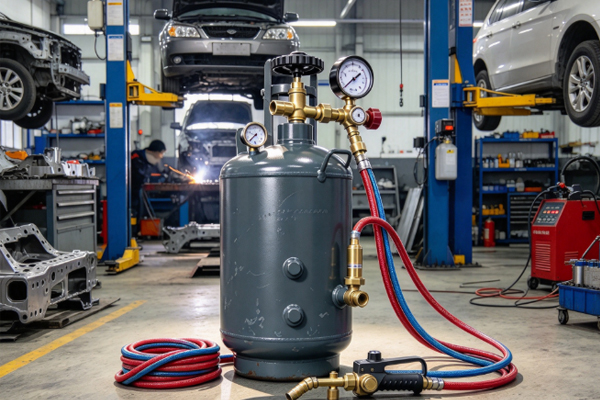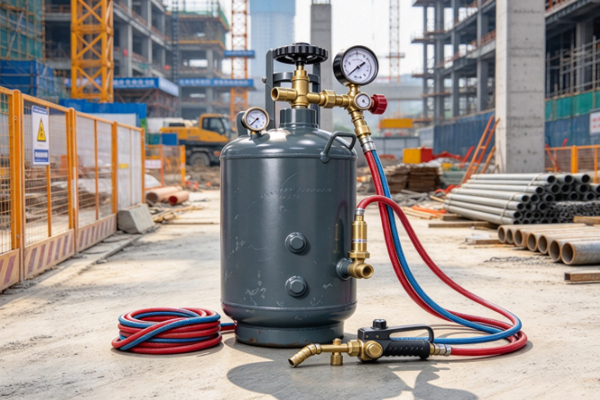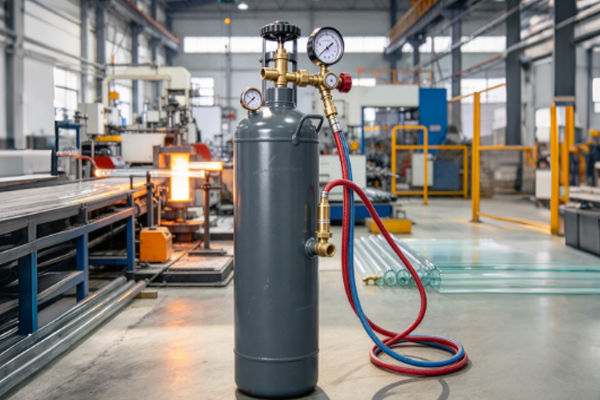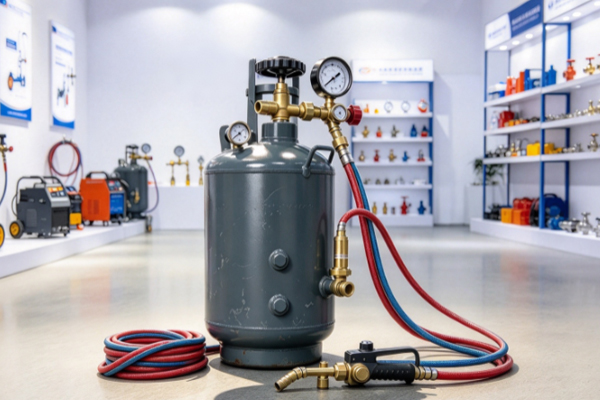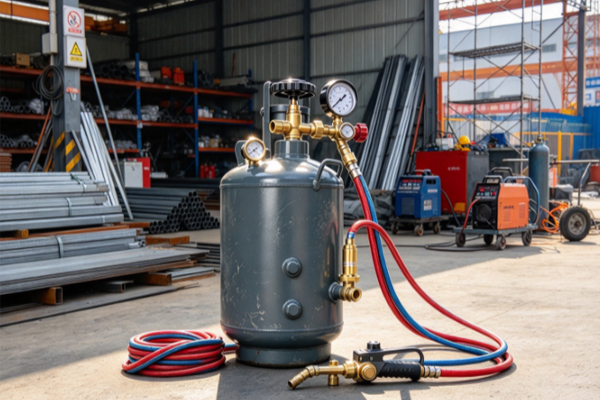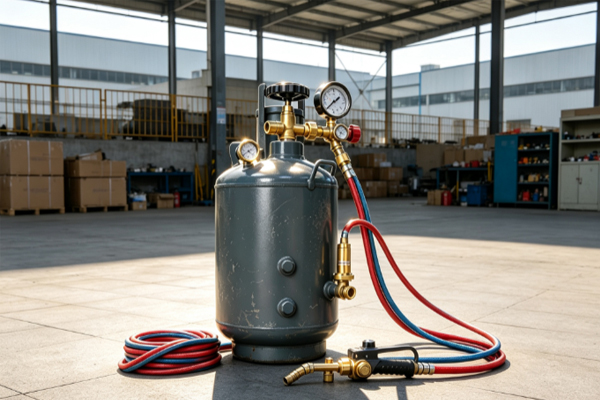
When using an acetylene storage tank for the first time, many beginners are not sure what to check before starting, how to operate the equipment during use, or what to do after finishing. Acetylene is a flammable gas, so the condition of the equipment, valve operation, and surrounding environment all need careful attention. For anyone new to acetylene storage tank use, don’t rush to open a valve. Following the simple sequence of inspection, connection, gas supply, monitoring, and shutdown makes the process much easier to manage.
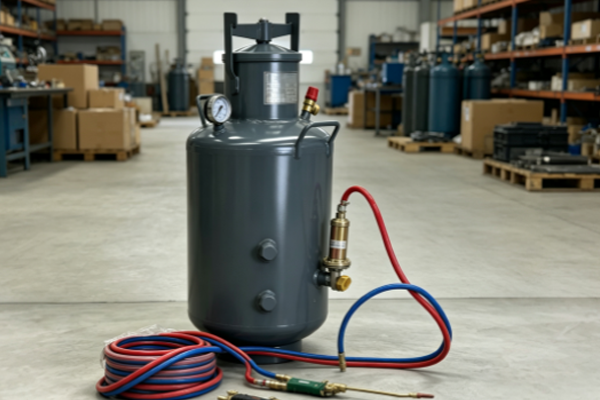
What Should You Check Before Using an Acetylene Storage Tank?
Good preparation makes the following gas-supply process much smoother. Before starting the equipment, check the storage tank, piping, safety accessories, and surrounding area. If anything looks abnormal, don’t rush to open the valve.
- Check the tank exterior first. Look for obvious deformation, corrosion, cracks, or other damage, and make sure the nameplate and relevant markings are clear.
- Check the valves and connections. The gas-supply valve, connecting pipes, flanges, and fittings should be in good condition, without obvious looseness or damage.
- Check the safety accessories. Pressure gauges, safety valves, and other safety components should be inspected and maintained as required. Equipment with failed or abnormal safety components should not continue operating.
- Check the work area. Keep the operating area well ventilated and away from open flames, heat sources, and locations where sparks may occur. Avoid leaving unnecessary materials around the equipment.
Only move to the next step after the inspection is complete. If you notice abnormal pressure, damaged connections, or a noticeable acetylene odor, never use ignition or other unsafe methods to locate a leak. Stop the relevant operation and have trained personnel handle the problem.
How Do You Start Supplying Acetylene Step by Step?
Valve operation and gas supply are often the parts that cause the most confusion for beginners. Don’t try to save a few seconds by rushing. Follow the sequence specified in the equipment operating instructions, especially when opening valves.
- Make sure the downstream equipment is ready. Check the connections for welding, cutting, or other gas-consuming equipment before starting. The piping should not show any obvious abnormal condition.
- Check the connection points. Make sure the tank outlet is securely connected to the gas-supply piping and that the fittings and hoses meet the equipment and process requirements.
- Open the gas-supply valve slowly. Do not open the valve suddenly. Allow the gas to enter the piping as specified by the equipment instructions, then check the pressure and gas-supply condition.
- Monitor the pressure. Once gas supply begins, check whether the pressure gauge is behaving normally. Pay attention to unusual sounds, odors, or other abnormal signs around the piping and connections.
A simple habit is worth remembering: open the valve slowly and keep a close eye on the equipment. If abnormal pressure fluctuations, signs of leakage, or equipment problems appear during gas supply, stop the operation immediately and follow the applicable site safety procedures.
What Should You Pay Attention to During Acetylene Storage Tank Use?
Once the acetylene storage tank is supplying gas normally, it is not a case of “open the valve and forget about it.” During operation, keep monitoring the equipment, especially the pressure, piping connections, and surrounding environment. Operators should not dismantle safety accessories, modify piping, or change the original purpose of the equipment without authorization. For long-term operation, keep proper operating, maintenance, and inspection records so that problems can be traced and future inspections can be arranged more easily. If an abnormal condition occurs, stop using the equipment and have qualified personnel inspect it. Do not try to keep production running by temporarily plugging a leak, striking the equipment, or using other improvised methods.
How Should You Shut Down an Acetylene Storage Tank After Use?
Shutdown may look simple, but it is an important step in the acetylene storage tank operating process. Proper shutdown helps reduce risks associated with residual gas in the piping, accidental valve operation, and problems that may develop while equipment remains idle for an extended period.
- Close the valves as required after gas use. Do not simply leave the work area. Complete the shutdown procedure according to the equipment operating instructions.
- Check the piping condition. After shutdown, inspect the connections and valves for anything unusual. If you notice an odor or signs of leakage, deal with the situation promptly.
- Keep equipment records. Record operating time, abnormal conditions, maintenance work, and other relevant information. These records make future inspection and maintenance easier.
- Manage long-term shutdown properly. Do not simply leave the equipment unused and unattended. Follow the company’s procedures for isolation, inspection, and maintenance.
For anyone new to acetylene equipment, the habits are pretty simple: don’t rush, don’t skip inspections, and don’t keep operating equipment when something looks abnormal. Check the equipment before every use, monitor it during operation, and shut it down properly afterward. After some practice, the whole process becomes much more familiar.
Acetylene storage tank use is not simply about knowing how to open and close a valve. Reliable operation depends on correct procedures, thorough inspections, and prompt handling of abnormal conditions. When purchasing an acetylene storage tank, companies should also consider equipment configuration, manufacturing quality, safety accessories, and ongoing maintenance management, so there is a clear process from installation and operation through inspection. This makes daily gas supply more stable, manageable, and dependable.