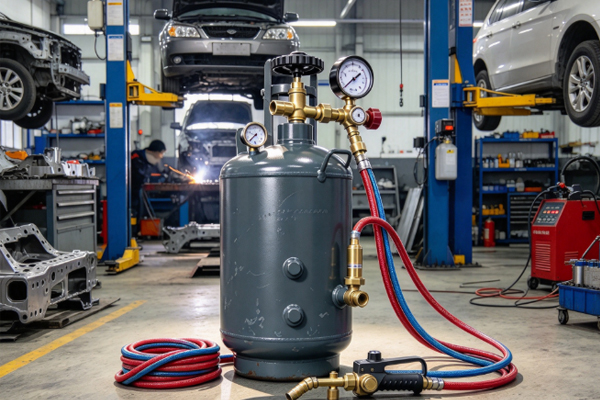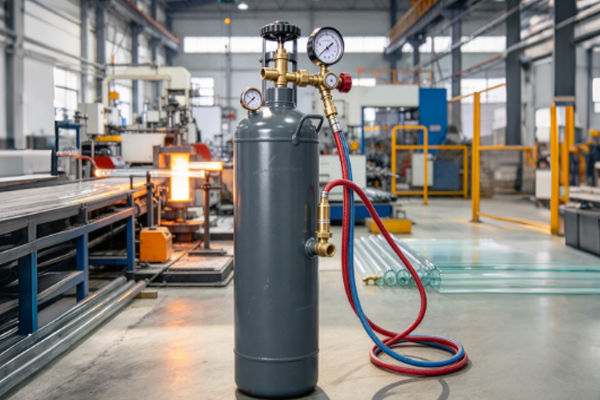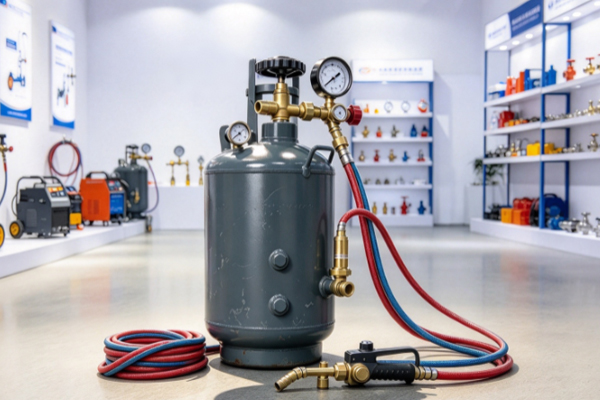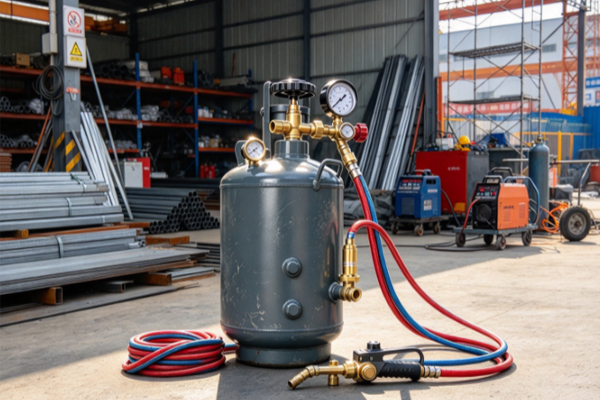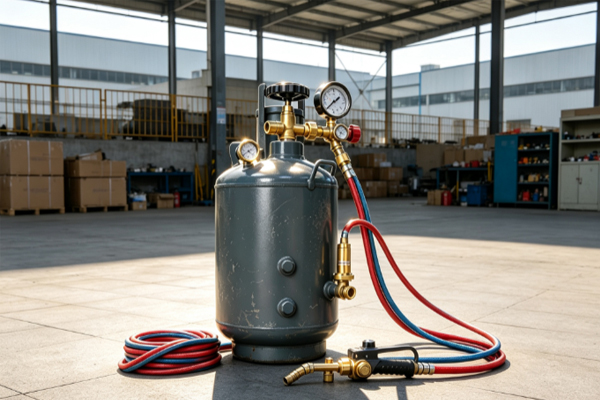
Acetylene cylinders are widely used in welding, gas cutting, and metal processing industries. When purchasing acetylene cylinders, many companies have questions such as: What are the differences between various acetylene cylinder models? Which specification is more suitable for their factory? In reality, choosing an acetylene cylinder is not only about capacity. Factors such as application scenarios, gas consumption frequency, transportation conditions, and site requirements all affect the final selection. Different specifications are designed for different working environments. In addition to cylinder parameters, companies planning industrial gas supply systems also need to consider related equipment specifications, such as acetylene storage tank dimensions, to ensure the entire gas supply solution matches actual production needs.
What Are the Common Acetylene Cylinder Specifications and Models?
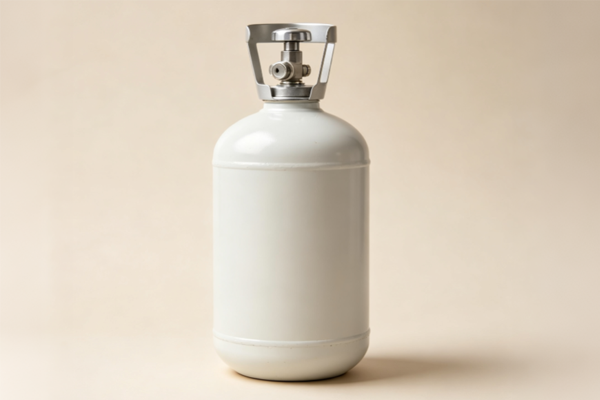
Acetylene cylinders on the market are mainly classified according to capacity, filling volume, and external dimensions. Different models vary in storage capacity, weight, and application conditions. Companies usually select specifications based on their actual workload and usage frequency.
Common models include:
- 40L Acetylene Cylinder: This is one of the most commonly used basic models. It is suitable for welding repairs, small-scale welding operations, and occasional gas cutting work. It is relatively easy to transport and replace.
- 60L Acetylene Cylinder: Compared with the 40L model, it provides larger gas storage capacity and is suitable for workshops with higher usage frequency, reducing the need for frequent cylinder replacement.
- Acetylene Cylinder Bundle System: Multiple cylinders are connected together to increase overall gas supply capacity, making it suitable for businesses requiring continuous operation.
- Centralized Acetylene Supply System: Mainly used in large factories, where acetylene is stored centrally and delivered through pipelines to different production areas.
Different acetylene cylinder models vary in size, weight, and installation requirements. When purchasing, companies should consider not only capacity but also storage space, transportation conditions, and actual operating environment.
Where Are Different Acetylene Cylinder Models Used?
Acetylene cylinders are widely used in different industries, from simple maintenance work to industrial manufacturing. Different applications have different requirements for cylinder specifications, and selecting the right model can improve work efficiency.
Common applications include:
- Welding Workshops: Acetylene cylinders provide a stable gas source for flame welding operations and are commonly used in metal processing.
- Machinery Manufacturing: Used for equipment repair, component cutting, and other processes that require a reliable acetylene supply.
- Steel Fabrication Plants: Due to higher cutting workloads, these facilities often require stronger gas supply capacity through multiple cylinder combinations.
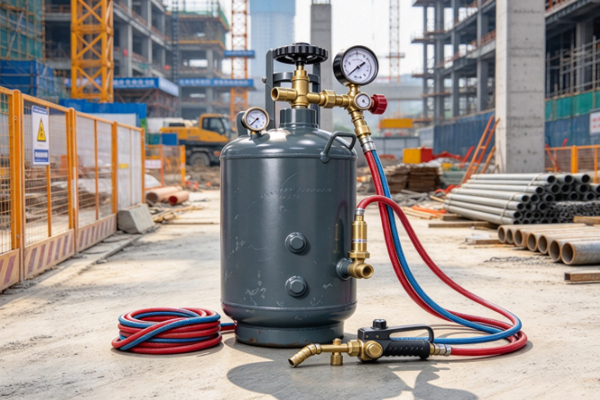
- Construction and Maintenance Sites: These applications focus more on portability and easy operation because equipment may need to be moved between different working areas.
Small businesses usually focus more on flexibility, while medium and large factories pay more attention to continuous gas supply. If a factory performs gas cutting operations every day, a single standard cylinder may not meet production needs, and a more complete supply solution may be required.
What Parameters Should Be Considered When Choosing an Acetylene Cylinder Model?
Many customers ask about capacity first when purchasing acetylene cylinders, but other parameters also affect actual performance. Selecting the right specifications makes daily operation and management easier.
Important factors include:
- Capacity: Determines the amount of acetylene that can be stored at one time and should match daily usage requirements.
- Cylinder Dimensions: Affect transportation, storage space, and workplace arrangement, especially in factories with limited space.
- Cylinder Weight: Influences handling methods and is important for operations requiring frequent movement.
- Manufacturing Standards and Safety Design: Affect long-term stability and reliability during use.
For companies with higher gas consumption, standard acetylene cylinders may not provide enough supply capacity. In such cases, acetylene storage tank dimensions and the overall gas supply layout should also be considered to create a more suitable system.
How to Choose Between Acetylene Cylinders and Acetylene Storage Tanks?
Acetylene cylinders are suitable for flexible applications, while acetylene storage tanks are better suited for long-term and high-volume gas consumption environments. These two options are not simply replacements for each other; the right choice depends on factory size and production methods.
Common selection approaches include:
- Small repair workshops usually use single or small numbers of acetylene cylinders for convenient operation and management.
- Medium-sized processing companies can use multiple cylinder combinations to improve gas supply stability.
- Large manufacturing plants are more suitable for storage tank systems to support multiple production areas.
- Companies with changing production demands should plan sufficient storage capacity to avoid supply shortages.
When selecting acetylene equipment, capacity, dimensions, and operating environment should all be considered together. A suitable specification can reduce equipment waste and make production operations more stable.
Choosing the right acetylene cylinder specification and model requires considering the actual application, gas consumption, working environment, and future production plans. Common models such as 40L and 60L cylinders are suitable for different welding and gas cutting applications, while larger factories may need a complete storage and supply system. During purchasing, companies should pay attention not only to cylinder capacity but also to whether the equipment dimensions meet site requirements, ensuring the selected solution truly fits their production needs.