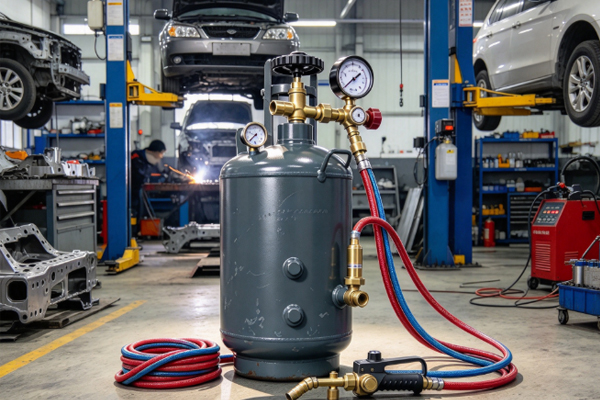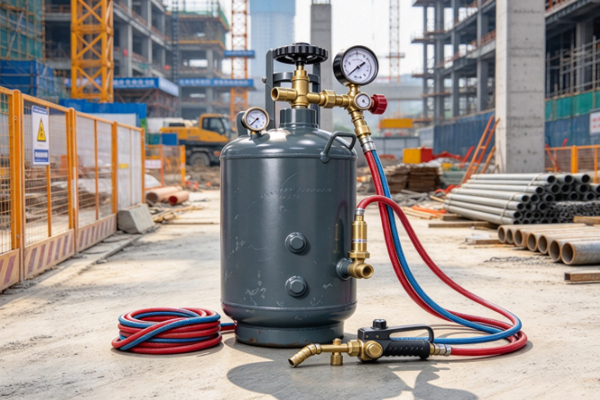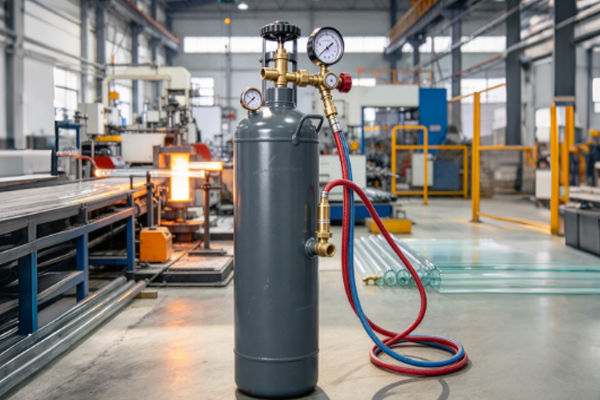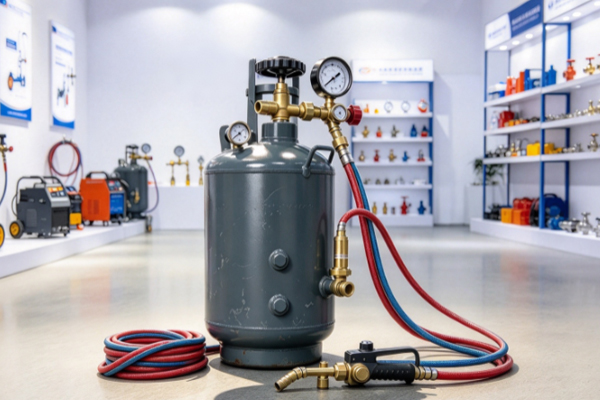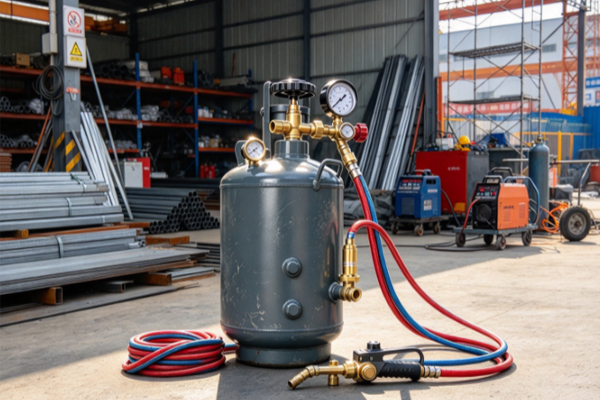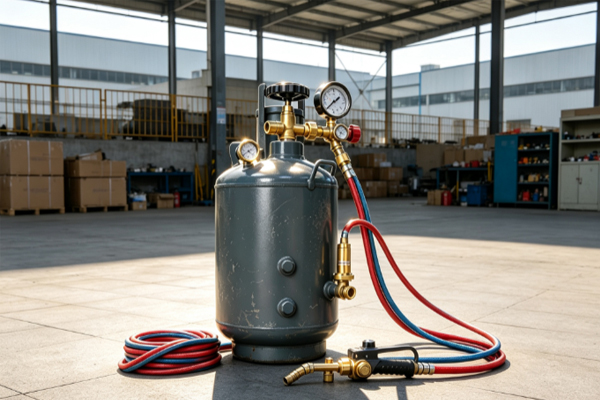
Acetylene cylinders are commonly used in welding, cutting, metal fabrication, and other industrial applications. The correct storage method has a direct impact on equipment stability and operational safety. In some working environments, limited space or special transportation conditions may lead some users to consider placing acetylene cylinders horizontally for storage or use. However, acetylene cylinders have different internal structures compared with ordinary gas cylinders, and their storage methods need to follow specific safety requirements. Long-term horizontal placement may affect gas output stability and increase the risk of damage to the cylinder valve, pressure regulator, and other accessories.
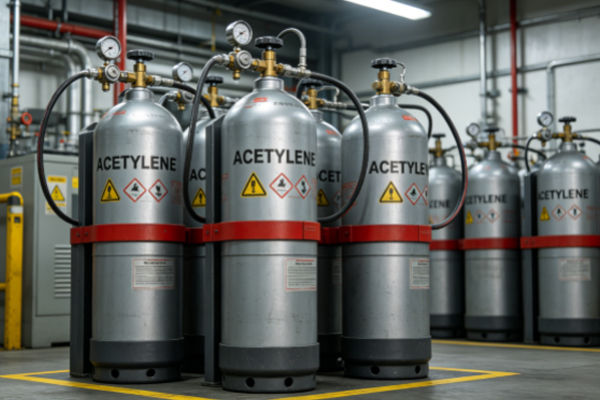
Acetylene is usually stored inside cylinders in a dissolved state. The cylinder contains special porous materials and solvents that help maintain safe storage conditions. When the cylinder remains upright, the internal materials can maintain a more stable condition, allowing acetylene gas to be released smoothly. If the cylinder is stored horizontally for a long time, the internal distribution of materials may change, affecting later operation. Therefore, acetylene cylinders should be stored, transported, and connected to equipment according to proper operating requirements to avoid problems caused by incorrect positioning.
Why Acetylene Cylinders Are Not Suitable for Long-Term Horizontal Storage
Acetylene cylinders are designed according to the characteristics of acetylene gas and the requirements of safe operation. The cylinder contains special porous filling materials and solvents that absorb acetylene, allowing the gas to remain stable during storage. When the cylinder is placed vertically, the internal medium remains more evenly distributed, which supports a more stable gas release process.
If an acetylene cylinder is stored horizontally for an extended period, the internal solvent may move toward the valve area. When the valve is opened, liquid components may enter the pressure regulator or gas supply line, affecting gas output quality and equipment operation. Unstable gas supply may cause flame fluctuations during welding and cutting work, reducing processing efficiency.
Horizontal storage also increases the possibility of external impact. The cylinder valve is an important control component, and long-term contact with the ground or collision may cause loose connections or reduced sealing performance. In addition, horizontally placed cylinders are more likely to roll, requiring additional fixing measures to prevent accidental movement or falling.
Keeping acetylene cylinders upright during storage meets the structural requirements of the equipment and makes daily inspection easier. Proper placement helps reduce cylinder damage and improves overall operating reliability.
What Problems Can Occur When Using Acetylene Cylinders Horizontally?
During operation, acetylene cylinders rely on pressure regulators to control gas pressure before supplying gas to welding torches or cutting equipment. Stable gas supply is essential for maintaining proper flame combustion. If the cylinder is used in a horizontal position, the distribution of gas and solvent inside the cylinder may change, affecting output stability.
Horizontal use may place abnormal stress on the valve connection area. The pressure regulator needs to remain securely installed on the cylinder valve to accurately control pressure. If the cylinder remains tilted or horizontal during operation, the connection position may experience additional force, which can affect sealing performance and equipment reliability.
In welding and cutting applications, flame stability directly influences processing quality. Uneven acetylene output may cause flame size changes, abnormal combustion sounds, or unstable operation. For continuous production environments, fluctuating gas supply may interrupt work and increase adjustment time.
When using acetylene cylinders correctly, the cylinder should remain upright and securely fixed. Proper positioning allows the equipment to operate according to its design requirements and helps maintain a stable acetylene gas supply.
Important Storage Requirements for Acetylene Cylinders
The storage environment and placement method of acetylene cylinders have an important influence on equipment condition. Proper storage management can reduce problems caused by incorrect placement and improve long-term operational safety.
Important storage practices include:
- Keep acetylene cylinders upright and secured:Acetylene cylinders should be stored vertically and protected with suitable fixing devices to prevent tipping. Upright placement helps maintain stable internal conditions and reduces the risk of damage caused by rolling or collision. Chains, brackets, or other suitable supports can be used according to the working environment.
- Choose an appropriate storage environment:Acetylene cylinders should be stored in dry and well-ventilated areas. Storage locations should avoid excessive moisture, direct sunlight, high temperatures, and heat sources. A suitable environment helps protect the cylinder and maintain safe operating conditions.
- Protect the cylinder valve and connection components:The cylinder valve controls gas release and requires proper protection during storage. Preventing tools or other objects from striking the valve reduces the risk of damage and gas leakage.
- Avoid storing cylinders with unrelated materials:Storage areas should remain clean and organized. Avoid placing acetylene cylinders together with unnecessary items, as proper arrangement makes inspection and handling easier.
- Inspect cylinder conditions regularly:Even unused cylinders require periodic inspection. Checking the cylinder body, valve, and accessories helps identify corrosion, damage, or other problems before they become serious.
Proper storage management allows acetylene cylinders to maintain good performance and reduces safety risks caused by improper placement. Through correct positioning, environmental control, and regular inspection, acetylene cylinders can provide reliable support for welding and cutting operations.
Are Acetylene Cylinders Allowed to Be Transported Horizontally?
Transportation of acetylene cylinders requires careful attention to placement and fixing methods. During vehicle movement, vibration, turning, and braking can occur. If cylinders are placed horizontally without proper securing, they may roll, collide with other objects, and cause damage to the cylinder body or valve.
During transportation, acetylene cylinders should preferably remain upright and be secured properly. Workers should avoid dragging or striking the cylinders during handling, especially protecting the valve area from external impact.
In some special transportation conditions, temporary changes in cylinder position may occur, but after transportation the cylinders should be returned to an upright position and inspected carefully. If any damage, valve abnormality, or accessory problem is found, the equipment should be checked before use.
Proper transportation management reduces the possibility of equipment damage and helps ensure that acetylene cylinders remain in good condition after arriving at the work site.
How to Prevent Incorrect Storage of Acetylene Cylinders Through Daily Management
Long-term acetylene cylinder use requires proper management habits. In addition to avoiding horizontal storage, regular inspection, environmental control, and operator training are important for maintaining equipment reliability. Effective daily management helps identify problems early and reduce equipment failures.
Daily management practices include:
- Inspect the cylinder body regularly:Check whether the cylinder surface has corrosion, dents, or other damage. Maintaining cylinder integrity helps improve operating safety.
- Check valve conditions:Confirm that the valve opens and closes properly and that there are no abnormal leakage issues. A well-maintained valve ensures more reliable gas control.
- Maintain pressure regulators and hoses:Regularly inspect pressure regulators, gas hoses, and connection points to prevent problems caused by aging, cracks, or loose connections.
- Manage cylinder storage areas properly:Keep storage locations organized and clearly marked. Proper management prevents incorrect handling and accidental movement.
- Provide operator training:Workers should understand the structure of acetylene cylinders and correct storage methods to avoid improper operations such as horizontal placement or rough handling.
Good daily management improves acetylene cylinder service life and reduces equipment problems. Through correct storage, regular inspection, and proper operation, acetylene cylinders can provide stable performance in welding, cutting, and industrial applications.