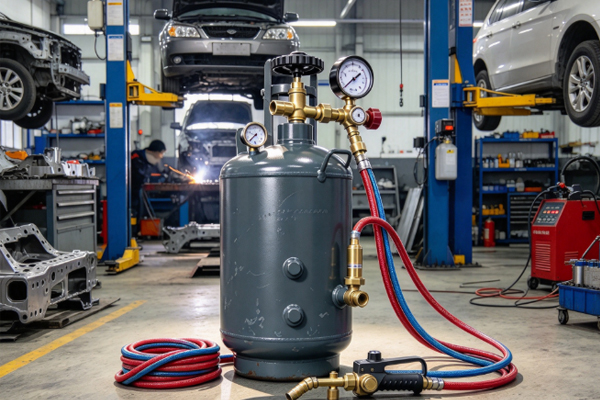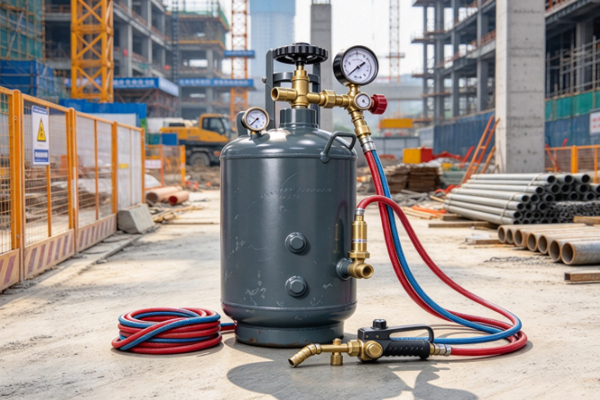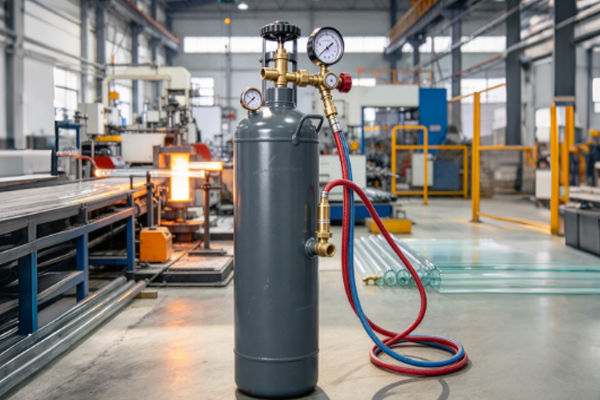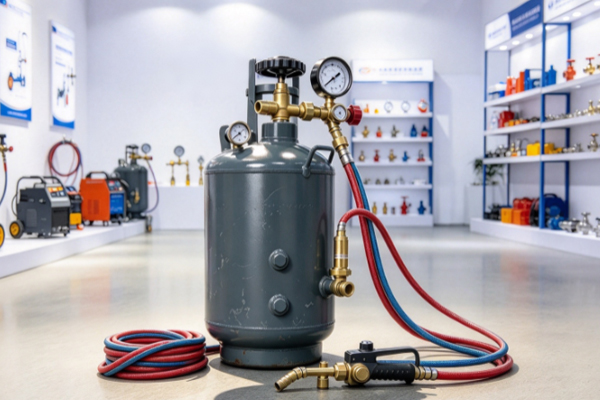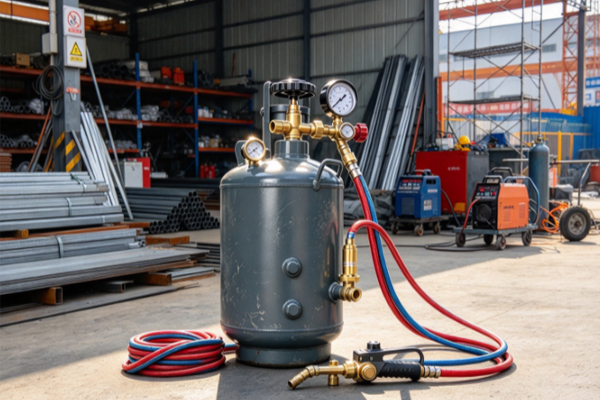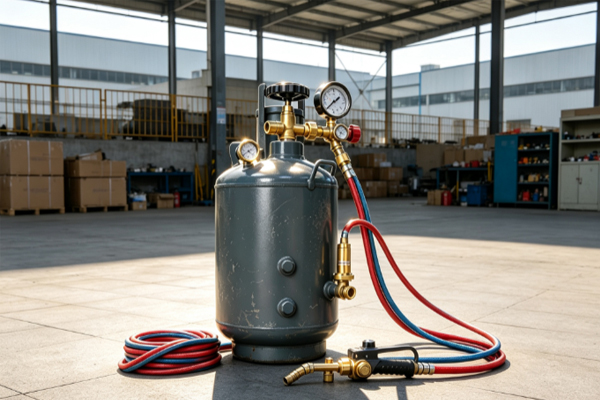
When purchasing an acetylene storage tank, many companies have the same question: how should the tank size be selected to meet national standards? Some buyers focus only on storage capacity, thinking that a larger tank is always better. However, the actual selection involves more than capacity. Factors such as tank length, diameter, height, installation space, and safety requirements all need to be considered. The size design of an acetylene storage tank is not randomly determined by manufacturers. It must meet relevant standards while also matching the company’s actual operating conditions. Choosing the right size can help avoid installation problems and ensure safer, more stable operation.
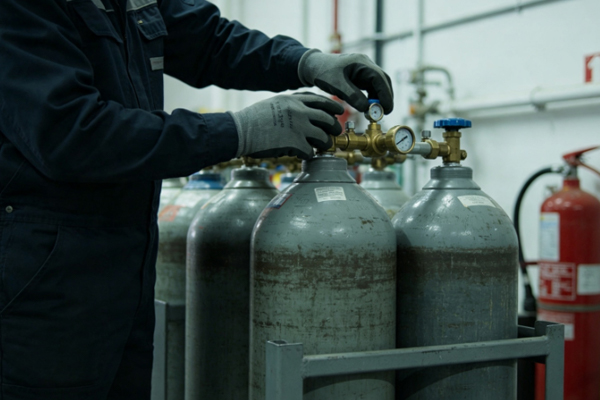
What Size Parameters Should Be Checked for a Standard-Compliant Acetylene Storage Tank?
When people talk about whether an acetylene storage tank meets national standards, many only check whether the product has qualification documents. In fact, the size design is also an important part. Acetylene storage tanks are specialized equipment, and their dimensions need to be determined based on factors such as capacity, pressure requirements, structural design, and safety considerations.
During purchasing, companies should pay attention to:
- Whether the tank capacity matches the actual gas consumption requirements and does not exceed the designed operating range.
- Whether the ratio between tank diameter and length is reasonable to ensure stable operation.
- Whether the materials, wall thickness, and overall structure meet manufacturing requirements.
- Whether the external dimensions are suitable for transportation, installation, and future maintenance.
For example, two 10m³ acetylene storage tanks from different manufacturers may have different lengths and diameters. As long as the design, manufacturing process, and inspection meet the required standards, both can be suitable solutions.
Acetylene Storage Tank Size Should Not Be Selected Based Only on Capacity
Many companies choose storage tanks by asking only one question: “How many cubic meters can it store?” However, capacity is only one factor. The final tank dimensions are also affected by the equipment structure and design method.
When selecting the right size, companies should consider:
- Small workshops usually need smaller tanks with compact dimensions to save installation space.
- Medium-sized factories need to balance storage capacity and available space.
- Large-capacity tanks can reduce the frequency of gas replenishment but require larger installation areas.
For example, two tanks with the same capacity may have different designs. One manufacturer may increase the length, while another may adjust the diameter. As a result, the occupied installation space can be different. Therefore, companies should not choose a tank based only on capacity but also confirm the actual length, diameter, and height.
Acetylene Storage Tank Dimensions Must Match Installation Requirements
A tank that meets national standards is not only about the equipment itself. The installation environment also needs to meet relevant safety requirements. If the size is not suitable, even a qualified tank may create difficulties during installation and operation.
Before installation, companies should confirm:
- Whether there is enough space between the tank and surrounding buildings or equipment.
- Whether the tank height fits the factory environment.
- Whether the tank length and diameter allow convenient transportation and lifting.
- Whether enough space is reserved for inspection and maintenance.
Many installation problems happen because companies do not measure the site in advance. For example, a tank may be too long to pass through the factory entrance, or the installation area may be too narrow for future maintenance. Providing site dimensions to the manufacturer before purchasing can help avoid these issues.
How to Judge Whether an Acetylene Storage Tank Size Meets Requirements?
For many purchasing teams, it can be difficult to determine whether a tank size is truly suitable. The answer is not found by looking at one number but by checking the complete product information and technical documents.
Before purchasing, companies should confirm:
- Review the manufacturer’s specification sheet, including capacity and detailed dimensions.
- Check whether the tank is designed and manufactured according to relevant standards.
- Confirm whether the tank dimensions match the actual installation location.
- Consider future production expansion when selecting the tank size.
In simple terms, a suitable acetylene storage tank size should meet three conditions: safe equipment design, compliant manufacturing, and proper installation compatibility. Meeting only one of these requirements is not enough for long-term use.
Choosing the right acetylene storage tank size is not simply about selecting a larger capacity. Companies need to consider standards, equipment parameters, installation conditions, and future operating needs together. Confirming the tank dimensions and technical requirements in advance can reduce purchasing risks and improve equipment reliability. Zhongcheng Gas Cylinde provides acetylene storage tanks in various specifications with professional selection support, helping customers choose equipment solutions that better fit their application needs.