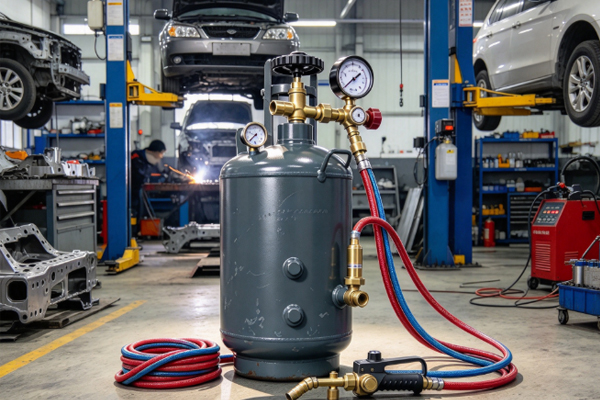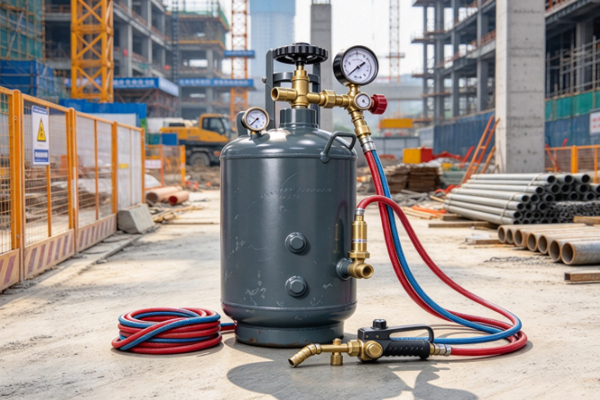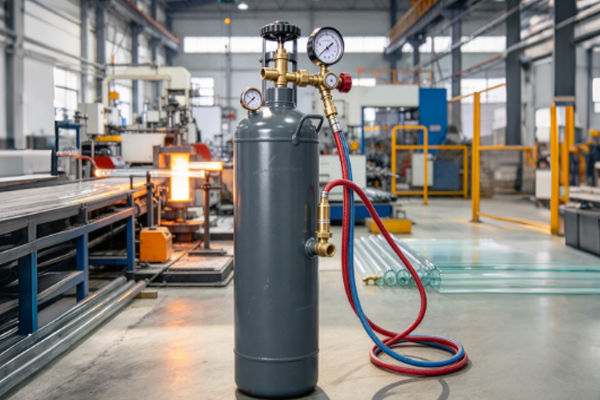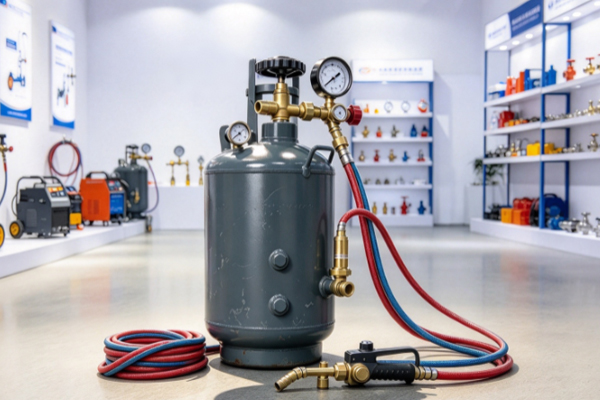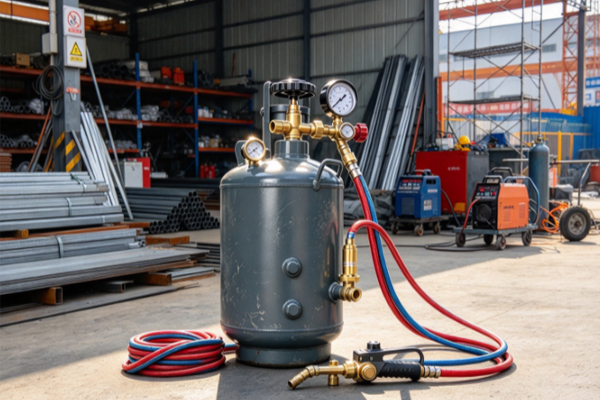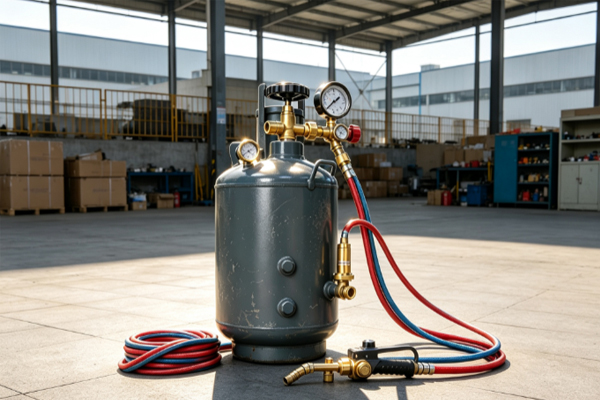
In industrial gas applications, acetylene is widely used in welding, cutting, and metal processing due to its high efficiency and stable combustion performance. In the overall gas supply system, the size selection of the acetylene storage tank directly affects production continuity, safety level, and operating costs. Many companies tend to focus only on price or capacity during the early procurement stage, while ignoring real working condition matching, which often leads to frequent replacements or unstable gas supply. Therefore, how to scientifically choose the right acetylene storage tank size is a critical part of equipment procurement and system design.
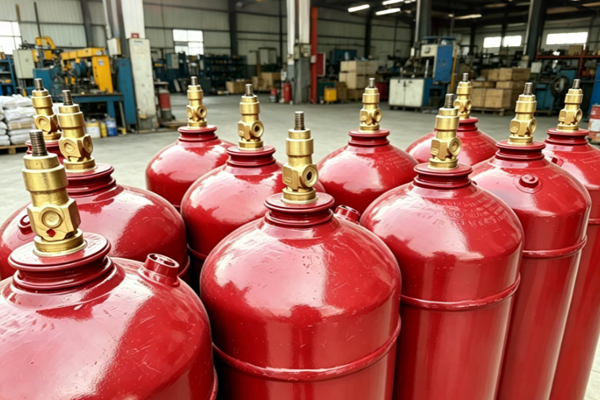
Determine Capacity Based on Gas Consumption Scale
The core logic of size selection starts with actual gas demand:
- Small-scale operations: such as repair workshops and hardware processing shops, with intermittent usage, can use small acetylene storage tanks or standard cylinder combinations
- Medium production lines: such as machinery manufacturing and metal processing plants, require stable gas supply and are better suited for medium-sized systems
- Large industrial production: such as shipbuilding and heavy steel structure factories, should use large storage tanks or centralized gas supply systems
In practice, peak gas demand is more important than average consumption, as it determines whether the system can handle sudden usage spikes.
Select Size According to Installation Environment
Bigger is not always better. Installation conditions are equally important:
- Factory height limitations: tank height must match building space and pipeline layout
- Ventilation and safety distance: sufficient space must be reserved due to flammable gas characteristics
- Ground load capacity: large tanks require stronger structural support
- Indoor or outdoor installation: different environments require different protection levels
Ignoring these factors may lead to installation failure or costly modifications later.
Optimize Size Based on Gas Supply System Type
Different supply systems require different tank configurations:
- Point supply systems: suitable for small tanks with simple structure and lower cost
- Distributed supply systems: better for medium tank combinations with higher flexibility
- Centralized supply systems: ideal for large acetylene storage tanks ensuring continuous gas supply
For companies planning future expansion, scalable systems are strongly recommended.
Safety Standards and Industry Regulations
As a pressure vessel, acetylene storage tank sizing must comply with strict safety requirements:
- Pressure rating limits: typically designed between 1.5MPa–2.5MPa
- Material strength requirements: larger tanks require stronger materials
- Explosion-proof and relief design: safety redundancy must be ensured
- Regular inspection standards: different capacities have different inspection cycles
In many cases, safety compliance takes priority over cost considerations.
Common Selection Mistakes and Optimization Tips
Frequent mistakes include:
- Choosing oversized tanks without actual need, leading to wasted space and higher costs
- Ignoring peak demand, resulting in production interruptions
- Lack of future expansion planning, causing expensive system upgrades later
- Overlooking maintenance convenience, increasing operational complexity
A proper approach is to evaluate current demand, future growth, and site conditions together rather than relying on a single factor.
The selection of acetylene storage tank size is essentially a balance between safety, efficiency, and cost. Only by fully understanding real application scenarios can its performance be maximized and long-term stable operation ensured. Zhongcheng Gas Cylinde provides multi-specification acetylene storage tank solutions to meet efficient gas supply needs across various industrial applications.