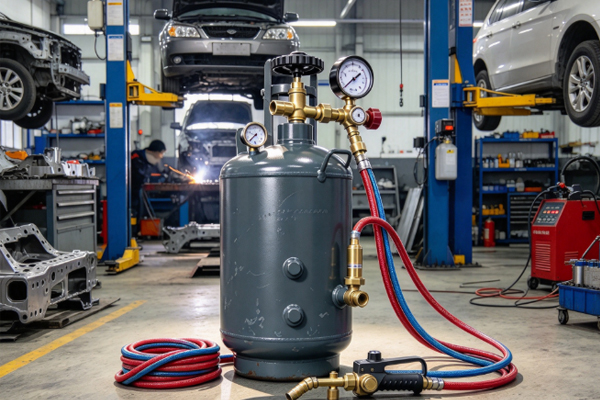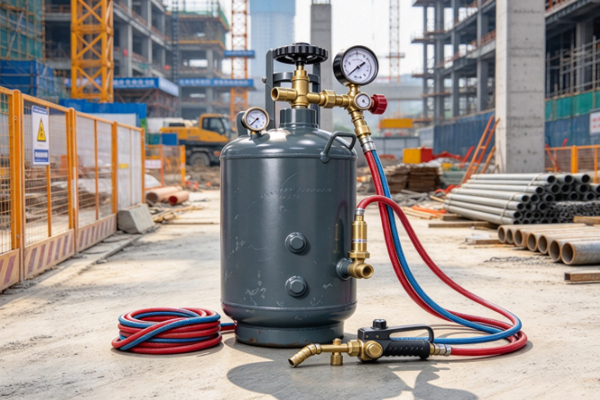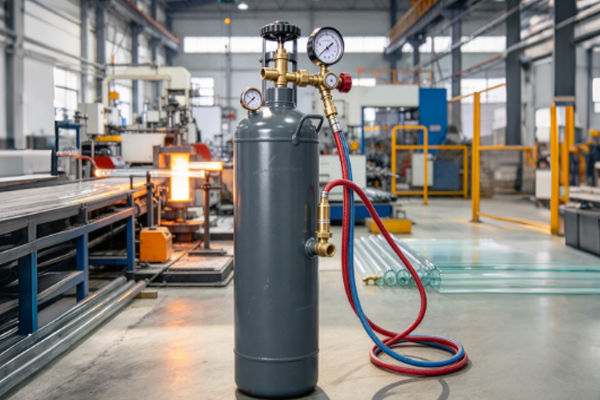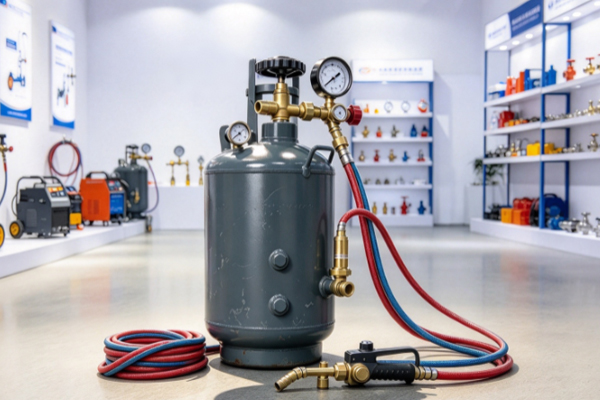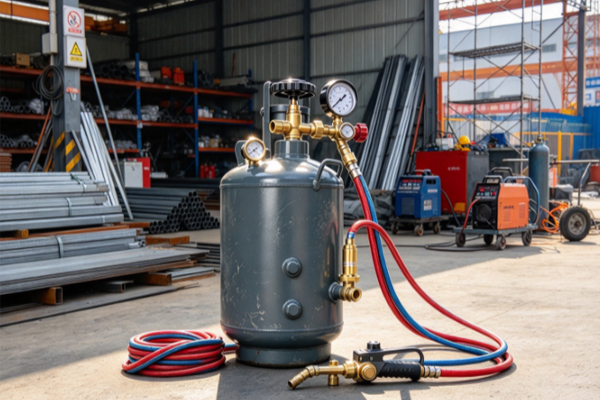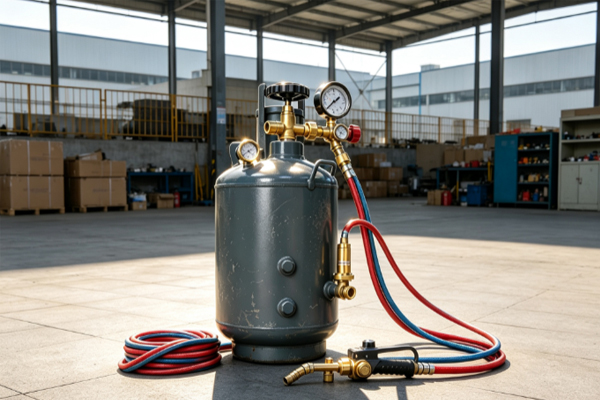
For factories involved in welding, cutting, and metal processing, acetylene storage tanks are essential equipment for ensuring continuous production. During the purchasing process, many companies face a practical question: How should the acetylene storage tank size be determined? Choosing a tank that is too small may fail to meet continuous production requirements, resulting in frequent gas replacement and reduced work efficiency. On the other hand, selecting an oversized tank can increase equipment costs and require more installation space. In reality, acetylene storage tank size should not be determined simply by price or capacity. It should be evaluated based on gas consumption, production scale, equipment quantity, installation conditions, and future development plans. Scientific selection allows the equipment to deliver maximum value.
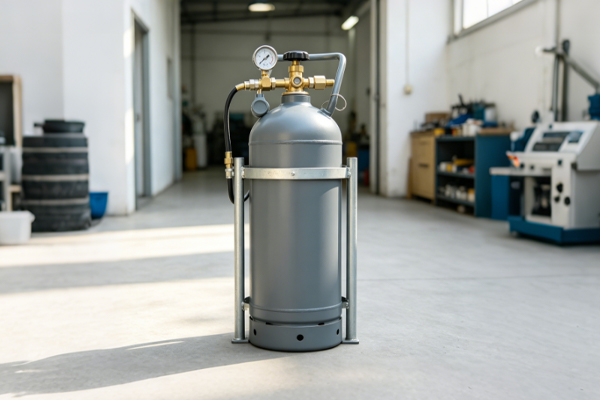
Determine Acetylene Storage Tank Size Based on Actual Factory Gas Consumption
When purchasing an acetylene storage tank, the first step is to understand the factory’s actual daily and hourly acetylene consumption. Different production processes require different amounts of acetylene, meaning a small welding workshop and a large steel structure manufacturing plant cannot use the same tank configuration.
When calculating gas demand, companies should focus on the following factors:
- Daily acetylene consumption: Record the amount of acetylene used during normal production as the basis for capacity selection
- Peak gas demand: Consider the maximum consumption when multiple machines operate simultaneously to avoid insufficient supply
- Continuous operating time: Longer production periods require larger storage capacity
By accurately understanding actual gas consumption, companies can avoid production interruptions caused by undersized acetylene storage tanks and prevent unnecessary investment caused by oversized capacity.
Select Suitable Acetylene Storage Tank Specifications Based on Production Scale
Different factory sizes require different acetylene storage tank sizes. Before purchasing equipment, companies should evaluate production workload, equipment quantity, and operating frequency to select the appropriate capacity range.
Common application references include:
- Small factories (approximately 40L–100L): Suitable for repair welding, small-batch processing, and low-frequency applications, offering compact size and easy mobility
- Medium-sized factories (approximately 100L–300L): Suitable for general machining, welding workshops, and multiple operating stations
- Large manufacturing enterprises (500L+ systems): Suitable for continuous production environments such as steel structures, shipbuilding, and heavy machinery manufacturing
When selecting acetylene storage tank size, factories should match capacity with actual production intensity rather than assuming that larger capacity is always better.
Determine Storage Tank Supply Capacity Based on Production Equipment Quantity
In addition to overall gas consumption, the number of production devices used inside the factory is another important factor affecting acetylene storage tank size. Even if two companies have similar daily consumption, their storage requirements may differ if the number of simultaneously operating machines is different.
During purchasing, companies should consider:
- The number of welding torches and cutting machines and whether they operate at the same time
- Differences in acetylene consumption rates between different equipment types
- Whether the production line requires continuous and stable gas supply
For example, a factory with only a few welding stations may not require a large-capacity tank, while a manufacturer operating multiple cutting machines may need a larger storage configuration to maintain stable production.
Consider Installation Environment and Long-Term Usage Requirements
Acetylene storage tank size affects not only gas storage capacity but also factory layout and future equipment management. Some companies focus only on capacity during purchasing while ignoring installation space and maintenance requirements, which can create difficulties after installation.
The following factors should be evaluated:
- Installation space: Determine tank dimensions and placement according to factory layout
- Transportation and handling conditions: Large tanks require consideration of transport routes and installation difficulty
- Safety management requirements: Sufficient space should be reserved for inspection, maintenance, and operation
- Future expansion plans: Consider possible increases in gas demand caused by production growth
Proper planning of the installation environment improves acetylene storage tank efficiency and reduces future adjustment costs.
Proper Selection Process for Factory Acetylene Storage Tank Size
During actual purchasing, companies should establish a complete selection process instead of only comparing supplier quotations or copying configurations from other factories. A proper purchasing method helps businesses choose acetylene storage tanks that are more economical, safe, and suitable.
Recommended steps include:
- Collect current acetylene consumption data from production operations
- Calculate actual gas supply requirements based on equipment quantity
- Determine storage capacity according to continuous production time
- Select suitable tank dimensions according to factory conditions
- Reserve additional capacity for future production expansion
Through scientific evaluation, factories can select acetylene storage tank sizes that match their production requirements while ensuring stable gas supply and reducing long-term operating costs.
When purchasing acetylene storage tanks, factories need to consider gas consumption, production scale, equipment quantity, installation environment, and future development plans. The right acetylene storage tank size not only meets daily production requirements but also improves safety and operational efficiency. Zhongcheng Gas Cylinde provides acetylene storage tank solutions in various specifications to help companies select suitable gas storage equipment for different industrial applications.