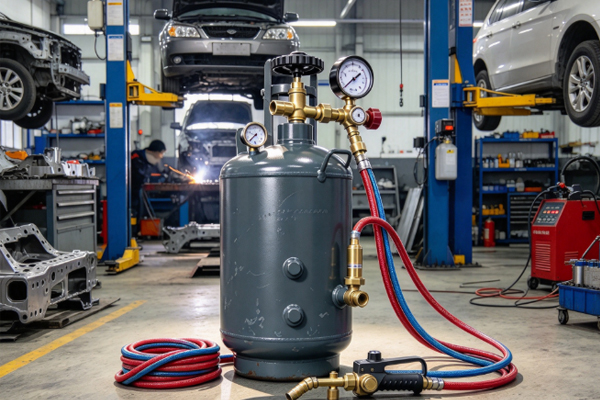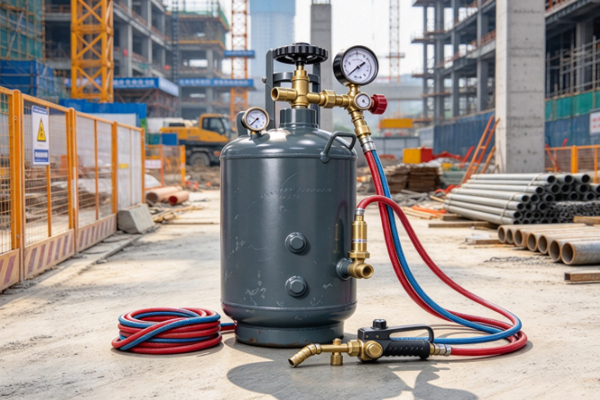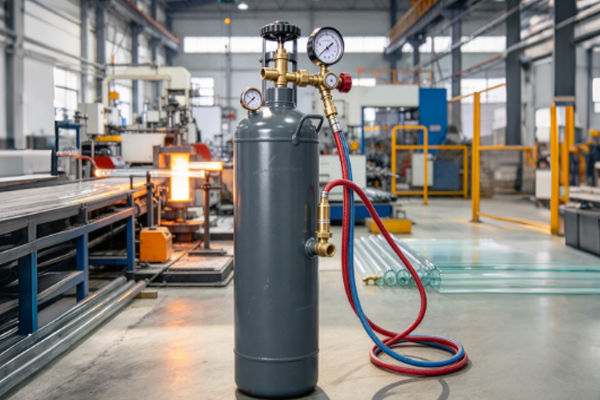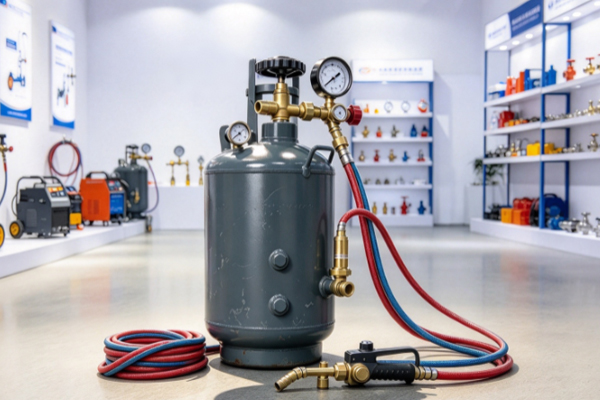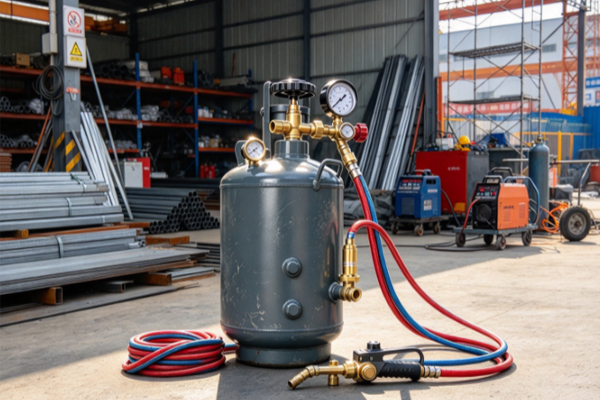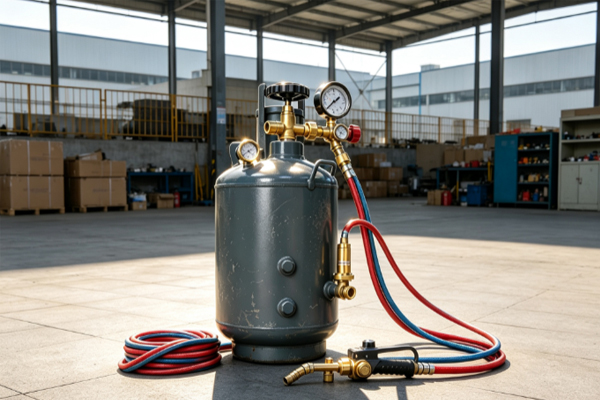
Acetylene is widely used in industries such as metal cutting, welding processing, machinery manufacturing, ship maintenance, and construction. Stable and safe storage equipment can ensure smooth daily production operations. Different companies have different production scales, and the requirements for acetylene equipment vary among small processing plants, medium-sized manufacturing companies, and large industrial projects. If the procurement plan is properly prepared, it can reduce unnecessary expenses caused by repeated purchases and avoid resource waste caused by oversized equipment or insufficient capacity.
Why Should the Procurement Budget Not Only Focus on Product Price?
When purchasing acetylene storage tanks or acetylene gas cylinders, many people focus mainly on the equipment quotation. However, the actual procurement cost includes much more than the product itself. Transportation costs, installation costs, safety accessories, inspection fees, and later maintenance expenses all need to be included in the procurement budget. For companies that use acetylene equipment for a long time, a single purchase not only affects current production but also influences operating costs over the following years. If the budget is planned properly in the early stage and the equipment meets actual usage requirements, additional expenses caused by later upgrades, replacements, or repeated purchases can be reduced.
What Costs Are Mainly Included in the Procurement Budget?
Equipment Purchase Cost
Acetylene storage tanks and acetylene gas cylinders are the main expenses in the procurement budget. The larger the equipment capacity, the higher the material grade, and the more complete the safety configuration, the higher the purchase price will be accordingly. If a company consumes a large amount of acetylene every day, it should select more suitable specifications based on actual gas demand, avoiding frequent replacement caused by insufficient capacity while also preventing excessive capital occupation caused by oversized equipment. During procurement, equipment configuration can also be considered based on production shifts, usage frequency, and available site space. This allows the equipment to meet production requirements while improving utilization efficiency.
Supporting Accessories Cost
In addition to the storage tank and gas cylinder itself, supporting equipment such as pressure regulators, safety valves, pressure gauges, connecting pipelines, flashback arrestors, and fixing brackets must also be purchased. Although the price of each accessory is not high, the total quantity can make these items an important part of the budget. If these accessories are overlooked, additional purchases will still be required during installation, which not only increases procurement frequency but may also affect construction progress. Therefore, it is recommended to include all required accessories in the initial budget calculation.
Installation and Transportation Cost
Large acetylene storage tanks usually require professional vehicles for transportation. After arriving at the site, additional work such as lifting, positioning, installation, and commissioning is required. Transportation distance and equipment weight will affect the overall cost. Some construction sites have limited road conditions and may require special transportation or lifting equipment. These costs should also be reserved in advance to avoid unexpected budget overruns later.
Later Maintenance Cost
After acetylene storage equipment is put into operation, regular inspections, pressure tests, sealing inspections, and safety accessory replacements are required according to relevant requirements. Although maintenance costs are not paid all at once, they are normal expenses throughout the equipment lifecycle. When preparing the procurement budget, companies can reserve a certain amount of maintenance funds to ensure that the equipment continues operating in good condition and to reduce production interruptions caused by equipment failures.
How to Arrange Procurement Funds Reasonably?
The procurement budget should not only meet current usage requirements but also consider the long-term value of the equipment. Reasonable fund allocation can improve procurement efficiency and contribute to stable equipment operation.Purchase equipment specifications according to actual acetylene consumption.Different daily acetylene usage levels require different storage capacities and cylinder quantities. Purchasing according to actual demand makes budget control easier.
- Prioritize safety configurations
Safety facilities such as flashback arrestors, safety valves, and pressure monitoring devices are essential safety components. It is not recommended to reduce these configurations simply to lower the budget.
- Purchase all supporting accessories at one time
Pipelines, valves, brackets, and connection accessories should be purchased together, which can reduce the time and transportation costs caused by repeated purchases later.
- Prepare reserved maintenance funds
Equipment still requires regular maintenance after being put into use. Including maintenance costs in the budget in advance can prevent future financial pressure.
Scientific budget planning does not mean reducing every expense, but ensuring that every investment creates proper value, making procurement better suited to actual production needs.
Common Questions About Procurement Budget
Should Storage Tanks and Gas Cylinders Be Purchased Together?
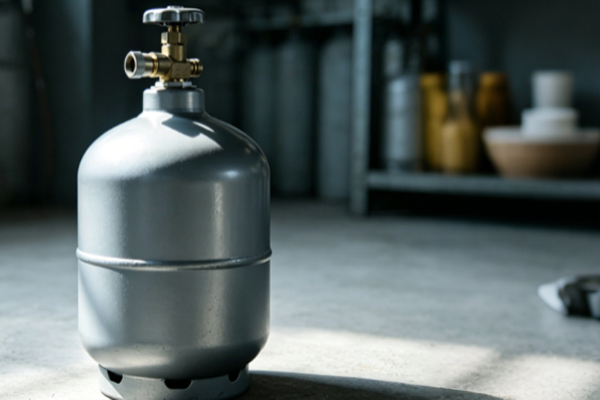
If a company uses acetylene for a long time and has both fixed gas supply points and mobile operation requirements, it can purchase storage tanks and gas cylinders at the same time. Storage tanks are responsible for centralized storage, while gas cylinders are used for on-site operations. This approach can improve work efficiency and make budget planning more convenient.
Does a Lower Price Always Mean Better Value?
A lower price does not necessarily mean the lowest procurement cost. If the material grade is lower or safety accessories are insufficient, later maintenance costs may increase, and equipment service life may also be affected. Therefore, when planning a budget, companies should consider product quality, safety standards, and after-sales service together.
How Can Budget Overruns Be Avoided?
Before purchasing, it is recommended to calculate daily acetylene consumption, usage locations, equipment quantity, and installation requirements. Then request a complete quotation from suppliers, including transportation, installation, and accessory costs. The more complete the budget details are, the easier it will be to control costs during procurement.
The procurement budget for acetylene storage tanks and acetylene gas cylinders includes not only equipment prices but also transportation, installation, safety accessories, and maintenance expenses. Proper budget planning in advance can help companies better understand fund allocation and make cost control easier for procurement managers. Before purchasing, carefully evaluating usage requirements, equipment quantity, and installation conditions, combined with a complete supplier quotation, can reduce missing items and make the procurement process smoother.
Different companies have different production scales, usage frequencies, and working environments, so there is no universal procurement budget standard. A suitable procurement plan is usually based on meeting safety requirements and production needs while arranging each investment reasonably. Selecting reliable-quality storage tanks and gas cylinders, equipping complete safety accessories, and reserving necessary maintenance costs can not only ensure long-term stable equipment operation but also reduce cost pressure caused by repeated investments in the future.