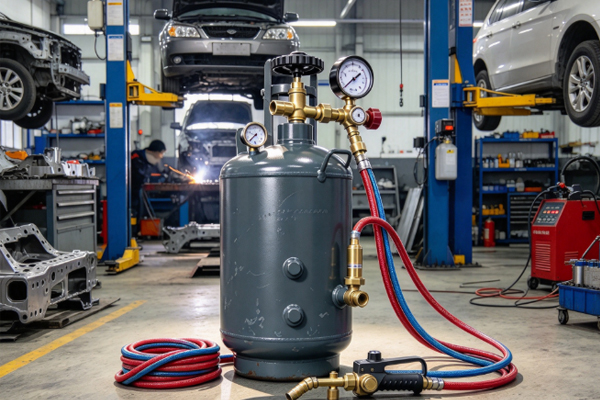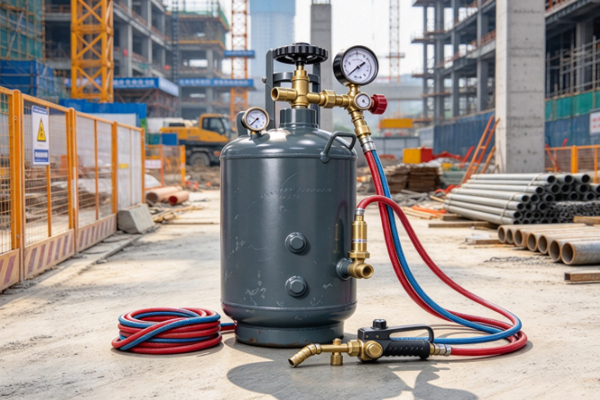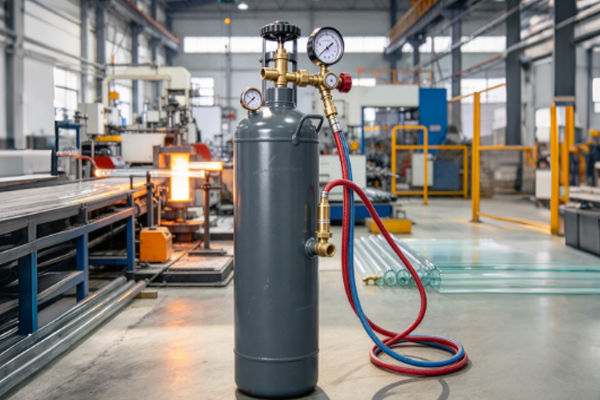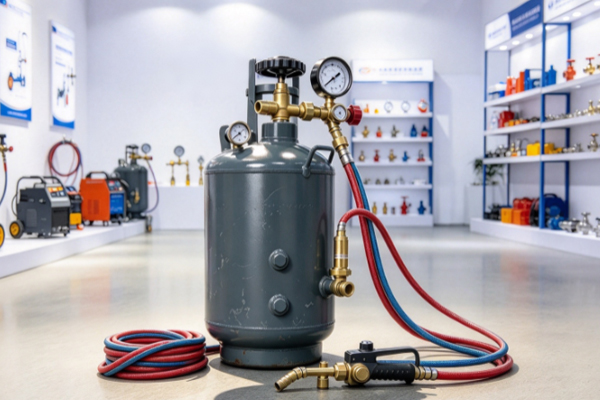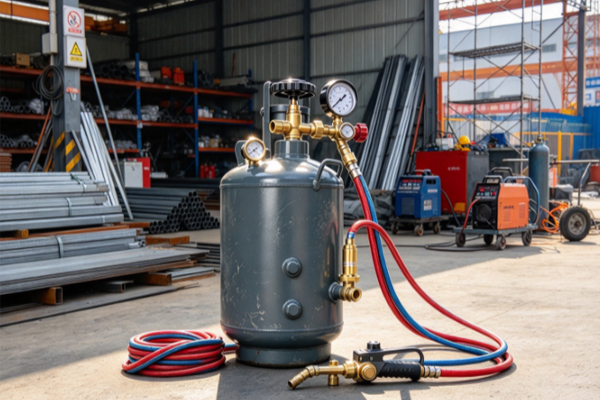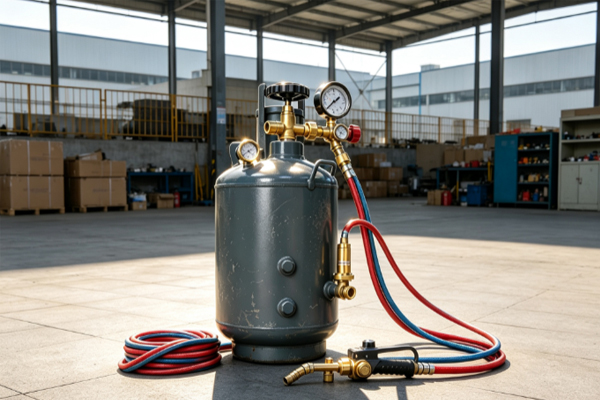
Acetylene cylinders are widely used in welding, cutting, metal fabrication, and other industrial applications. Stable gas supply is an important condition for maintaining proper flame combustion and ensuring processing quality. During actual operation, flashback is a problem that requires special attention. When the flame burning speed inside the welding torch exceeds the acetylene gas flow speed, the flame may move back into the torch or even toward the gas supply system, affecting equipment performance and operation safety.
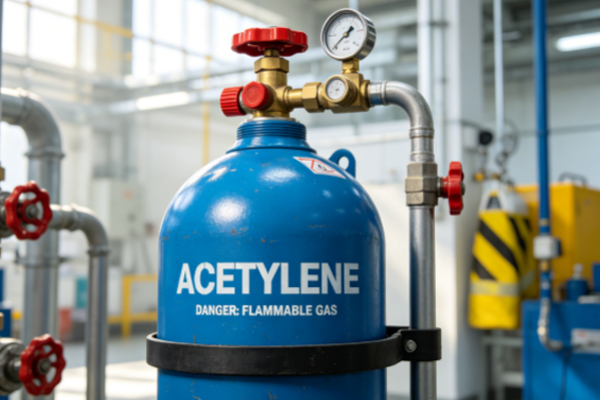
Preventing flashback requires proper management of equipment conditions, pressure control, operating procedures, and regular maintenance. By using acetylene cylinders correctly, installing accessories properly, and maintaining a stable gas supply system, the possibility of flashback can be reduced, allowing welding and cutting operations to run more safely and efficiently.
Causes and Effects of Acetylene Cylinder Flashback
Acetylene cylinder flashback is usually related to gas supply conditions, equipment performance, and operating methods. Under normal working conditions, acetylene gas passes through the pressure regulator after leaving the cylinder, then enters the welding torch through the hose and mixes with oxygen to create a stable flame. If the gas supply speed cannot meet combustion requirements, the flame position may change and move backward into the torch.
Common causes of flashback include insufficient gas pressure, blocked welding torch nozzles, restricted gas hose flow, and poor equipment connections. When acetylene output pressure is too low, gas flow becomes insufficient, making it difficult for the flame to remain stable at the nozzle outlet. If the welding torch nozzle accumulates dirt or metal particles after long-term use, gas flow conditions may change and increase the possibility of abnormal combustion.
Operating methods also influence the risk of flashback. Opening valves too quickly, adjusting pressure incorrectly, or allowing the welding torch to remain overheated for a long period may cause unstable flame conditions. Once flashback occurs, it may affect the welding torch, gas hose, and related connection equipment, increasing maintenance requirements. Understanding the causes of flashback and applying preventive measures are important for safe acetylene cylinder operation.
Equipment Preparation Required to Prevent Acetylene Cylinder Flashback
The stability of an acetylene cylinder system depends closely on equipment configuration and accessory conditions. Before operation, the cylinder, pressure regulator, gas hose, welding torch, and flashback arrestor should be inspected to ensure they are in proper working condition. A complete and reliable gas supply system helps reduce flashback caused by equipment problems.
When connecting an acetylene cylinder to welding equipment, suitable pressure regulators and dedicated gas hoses should be selected. The pressure regulator controls gas pressure and maintains stable output. If the adjustment function becomes abnormal, pressure fluctuations may occur. Gas hoses should remain flexible and intact without cracks, aging, or excessive bending that could affect gas flow.
A flashback arrestor is an important safety device in the gas supply system. It helps prevent flames from traveling backward through the gas line when abnormal combustion occurs. Installing an appropriate flashback arrestor and checking its condition regularly can improve the overall safety performance of the equipment.
Equipment maintenance should not only focus on the acetylene cylinder itself but also include all related accessories. Keeping the complete gas supply system working together properly helps reduce flashback risks and ensures more stable welding and cutting operations.
Methods to Prevent Flashback During Acetylene Cylinder Use
During daily welding and cutting operations, proper operating procedures can effectively reduce flashback problems. Operators should understand acetylene cylinder usage requirements and follow correct adjustment and inspection procedures to avoid unstable combustion caused by improper operation.
Methods for preventing acetylene cylinder flashback include:
- Adjust acetylene output pressure properly:When using an acetylene cylinder, the pressure should be adjusted according to the welding torch type, processing requirements, and working conditions. Excessively low pressure may cause insufficient gas supply and unstable flames, while excessive pressure may affect equipment operation. Maintaining suitable pressure helps keep combustion stable.
- Open the acetylene cylinder valve slowly:The cylinder valve should be opened gradually to allow gas to enter the system smoothly. Slowly increasing pressure reduces the impact of sudden gas flow changes on flame stability.
- Keep the welding torch nozzle clean:During long-term operation, the nozzle may accumulate oxidation materials or metal particles that affect gas mixing. Regular cleaning helps maintain smooth gas flow and stable flame performance.
- Avoid continuous abnormal operation of equipment:If the welding torch produces unusual sounds, unstable flames, or sudden flame failure, operation should be stopped and the equipment should be inspected before continuing use.
- Install and maintain a flashback arrestor:A flashback arrestor provides additional protection during abnormal conditions. It should be installed according to equipment requirements and checked regularly to ensure proper function.
- Follow correct shutdown procedures:After completing work, the welding torch and acetylene gas supply should be turned off in the correct sequence to avoid excessive pressure changes inside the gas line.
By following these operating methods, the possibility of acetylene cylinder flashback can be reduced. Good operating habits combined with proper equipment management help maintain a more reliable gas supply system.
How to Handle Flashback When It Occurs in an Acetylene Cylinder System
When flashback occurs during acetylene cylinder operation, the operator should stop the current work immediately and shut down the related equipment. Continuing to use equipment under abnormal conditions should be avoided, and the problem should be handled according to proper procedures.
After detecting flashback, close the welding torch valve and acetylene gas supply to stop gas flow. Then inspect the welding torch, hose, pressure regulator, and flashback arrestor to determine whether any components have been affected. Damaged, deformed, or abnormal parts should be repaired or replaced before further operation.
Before using the equipment again, confirm that all connection points are normal, pressure adjustment functions properly, and the gas supply system has no abnormal conditions. If flashback occurs repeatedly, the equipment configuration, pressure settings, and operating procedures should be reviewed.
Keeping records of flashback incidents helps improve future equipment maintenance and management. By identifying possible causes, potential problems can be discovered earlier and similar failures can be reduced.
Daily Maintenance Management Methods for Preventing Acetylene Cylinder Flashback
Long-term safe operation of acetylene cylinders requires regular inspection and maintenance. Proper equipment condition reduces abnormal gas supply problems and improves the continuity of welding and cutting operations.
Daily maintenance methods include:
- Check gas connection conditions:Regularly inspect pressure regulators, hoses, and welding torch connections to ensure they are secure and free from leakage.
- Maintain pressure adjustment equipment:Check whether the pressure regulator operates correctly and confirm that pressure gauge readings remain accurate.
- Keep accessories clean:Remove dirt from welding torches, nozzles, and connection areas to reduce blockage in gas passages.
- Inspect flashback arrestor performance:Regularly confirm that the flashback arrestor is installed correctly and continues to provide effective protection.
- Strengthen operator training:Ensure workers understand acetylene cylinder structures, operating procedures, and emergency handling methods.
Effective maintenance management improves acetylene cylinder system stability and reduces flashback risks. Through equipment inspection, correct operation, and regular maintenance, acetylene cylinders can provide more reliable support for welding, cutting, and other industrial applications.