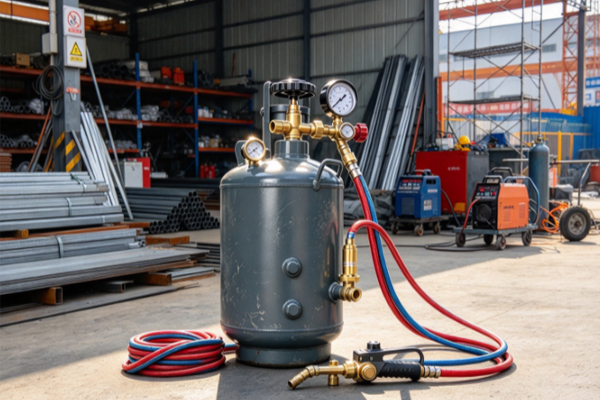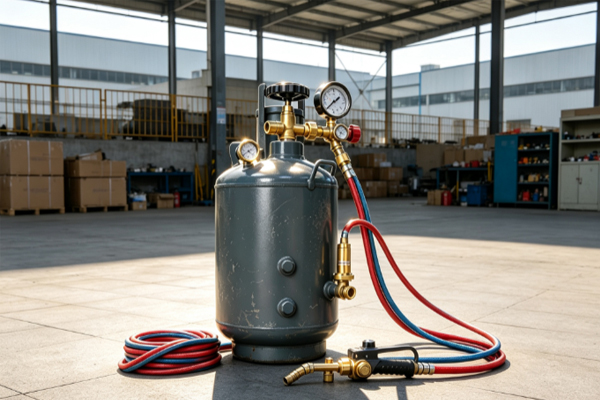
Acetylene cylinders are commonly used in welding, cutting, and industrial processing applications. Proper valve opening is an important step to ensure stable gas supply and safe equipment operation. Since acetylene is a flammable gas, factors such as valve opening speed, working environment, connection conditions, and equipment inspection status can affect operating safety. Incorrect operation may lead to abnormal pressure changes, gas leakage, or equipment damage. Understanding the correct valve opening procedure helps operators maintain stable gas flow, improve welding and cutting performance, and reduce equipment risks. During daily operations, cylinder conditions, regulator performance, and workplace requirements should be carefully considered to keep acetylene cylinders operating safely and reliably.
What Preparations Are Required Before Opening an Acetylene Cylinder Valve?
Before opening an acetylene cylinder valve, the cylinder should be placed in a suitable location and kept upright with proper securing measures to prevent tipping during operation. The external condition of the cylinder should be inspected to confirm there is no severe corrosion, impact damage, deformation, or other conditions that may affect safe use. The cylinder valve, pressure regulator, connecting hoses, and flashback arrestor should also be checked to ensure all components are installed correctly and connections are secure without leakage.
The working environment should be inspected before operation. The area should have sufficient ventilation and remain away from open flames, high-temperature equipment, and possible ignition sources. Operators should confirm that tools and protective equipment are in proper condition before starting the gas supply process. Completing these preparation steps helps reduce risks caused by equipment problems and creates safer operating conditions.
Opening an acetylene cylinder valve is a critical step in daily equipment use. Proper preparation before operation helps maintain stable gas supply and extends the service life of cylinder accessories.
Correct Method for Opening an Acetylene Cylinder Valve
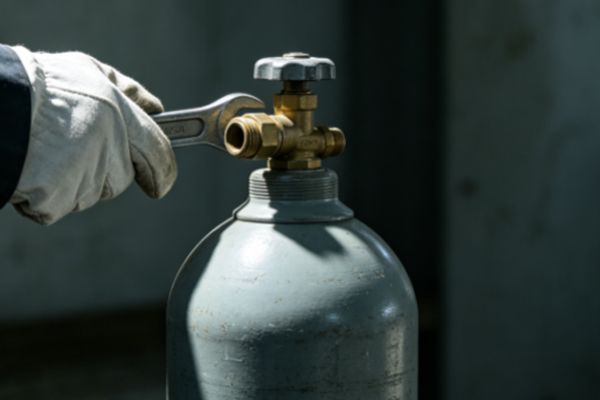
When opening an acetylene cylinder valve, the operation should be performed slowly and smoothly to prevent sudden pressure changes. Operators should stand beside the valve rather than directly in front of it to reduce exposure risks if an unexpected situation occurs. After opening the valve, the pressure gauge should be observed to confirm that the output pressure remains stable.
When connecting welding torches or cutting equipment, all components should be checked according to proper procedures to confirm correct installation before supplying gas. If abnormal pressure increases, significant pressure fluctuations, or gas leakage sounds are detected after opening the valve, operation should stop immediately and the equipment should be inspected.
During normal operation, valves should not be opened and closed repeatedly in a rapid manner, and unsuitable tools should not be used to force a stuck valve. Gentle operation reduces internal valve wear and helps maintain stable gas flow. After completing work, the valve should be closed properly and remaining pressure in the hose system should be released to prevent equipment from staying under pressure for extended periods.
Important Details When Opening an Acetylene Cylinder Valve
Although valve operation may appear simple, every operating detail can affect equipment safety and performance. Proper operating habits help reduce gas waste and lower the possibility of equipment problems.
Important practices include:
- Confirm valve condition before operation:Check whether the valve has damage, corrosion, or operating difficulties before opening.
- Control the opening speed:Open the valve gradually and smoothly to allow pressure to build up steadily and prevent sudden gas flow impact.
- Monitor pressure changes:Observe pressure gauge readings after opening to ensure pressure remains within the normal operating range.
- Maintain proper sealing at connections:Check regulators, hoses, and fittings to ensure secure connections without leakage.
- Avoid incorrect operating methods:Do not force valves with unsuitable tools or strike valve components, as this may damage the equipment.
Good operating habits improve acetylene cylinder safety and help maintain reliable gas supply performance. Valve inspection and correct opening procedures should become a regular part of daily equipment operation.
Differences in Acetylene Cylinder Valve Operation in Various Applications
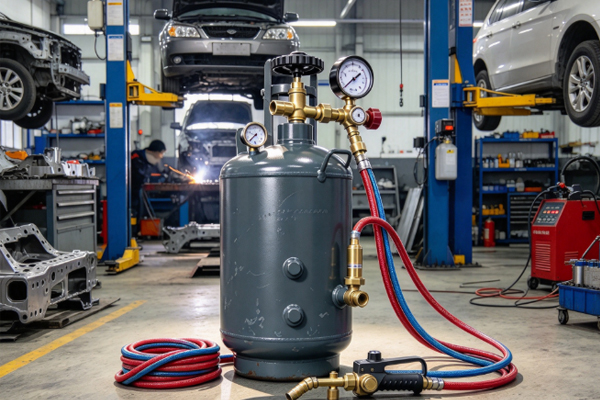
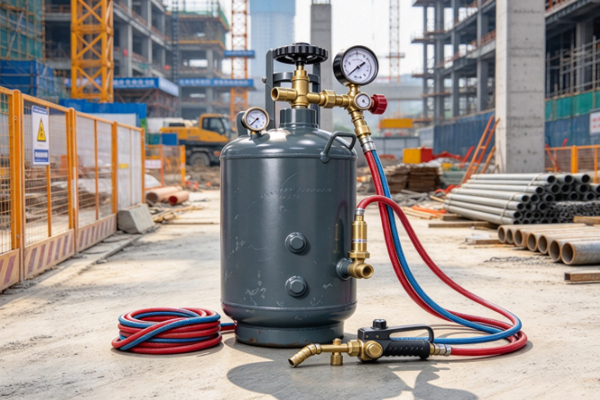
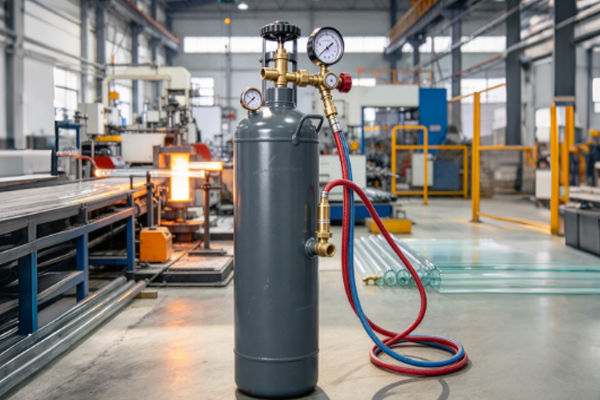
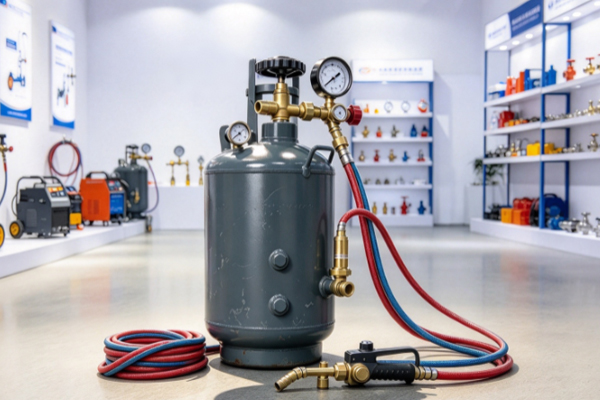
In automotive repair facilities, acetylene cylinders are often used for welding and localized cutting work, with frequent equipment start and stop cycles. Operators should pay close attention to quick inspections before each valve opening. Steel fabrication companies often use acetylene equipment for extended periods, making stable gas supply and pressure control important during operation. Construction sites usually have changing working conditions, so operators should confirm cylinder securing methods and surrounding safety conditions before opening valves. Machinery manufacturing plants often operate within fixed production areas and typically have more standardized equipment management procedures, including inspection of pressure regulators and connection systems before operation. Although operating requirements may vary between workplaces, correct valve opening procedures are necessary in every application to maintain equipment performance and safety.
How to Establish Safe Acetylene Cylinder Valve Operating Procedures
Developing clear operating procedures helps workers build correct usage habits and improves equipment management efficiency. Long-term implementation of standardized processes can reduce valve damage, gas leakage, and operational problems.
Recommended management practices include:
- Develop standard valve opening procedures:Define inspection steps, opening methods, and closing requirements so operators follow consistent processes.
- Strengthen operator training:Provide regular training to help workers understand valve structures, equipment characteristics, and emergency handling methods.
- Maintain equipment service records:Record inspections and maintenance activities for valves, regulators, and related accessories to support future maintenance.
- Perform regular equipment inspections:Check cylinder conditions and operating environments regularly to identify and correct potential problems.
- Improve safety protection measures:Provide necessary protective equipment and maintain clean working areas to reduce operational risks.
By implementing standardized opening procedures, improving equipment inspections, and maintaining effective daily management, companies can enhance acetylene cylinder valve safety and provide stable, reliable gas support for welding, cutting, and industrial processing operations.