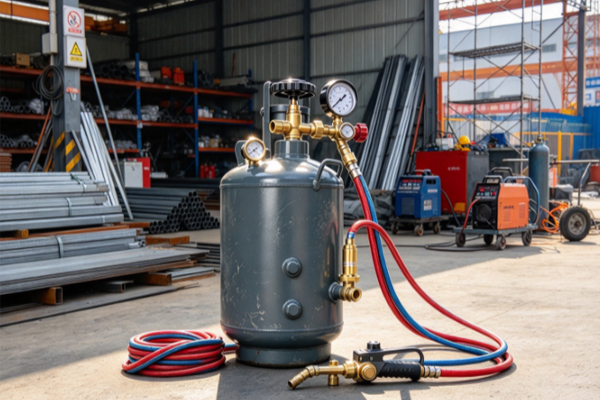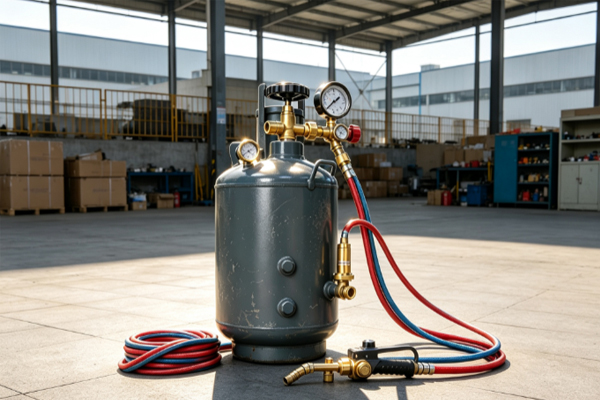
Acetylene storage tanks are widely used in welding, cutting, machinery manufacturing, metal fabrication, and many other industries as essential gas storage equipment. When purchasing an acetylene storage tank, many companies focus primarily on the purchase price. However, once the equipment is put into operation, the long-term operating expenses are equally important. In addition to the initial purchase cost, ongoing expenses such as routine maintenance, periodic inspections, component replacement, installation management, and equipment servicing all contribute to the total cost of ownership.
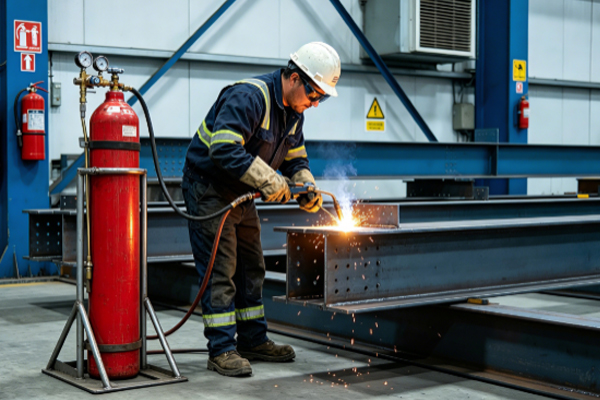
Many people assume that acetylene storage tanks generate high operating costs throughout their service life, but this is not always the case. If the tank is built with reliable quality, installed correctly, and maintained properly, its long-term operating costs can usually remain within a reasonable range. On the other hand, purchasing low-quality equipment or neglecting routine inspections may lead to significantly higher repair and replacement expenses over time.
What Does the Long-Term Cost of an Acetylene Storage Tank Include?
Long-Term Costs Are More Than Just the Purchase Price
An acetylene storage tank is designed for long-term industrial use, and the purchase of the equipment does not represent the end of the investment. After the tank is placed into service, it requires regular inspections, preventive maintenance, safety testing, and periodic replacement of accessories, all of which contribute to its long-term operating cost. However, compared with frequently replacing equipment, a high-quality acetylene storage tank that meets applicable standards can operate reliably for many years under normal working conditions. If a company establishes a standardized maintenance program, most maintenance activities become routine preventive tasks, making the overall operating cost relatively manageable. Therefore, when evaluating the long-term cost of an acetylene storage tank, factors such as service life, maintenance frequency, and operating environment should all be considered rather than focusing solely on the initial purchase price.
Main Factors Affecting the Long-Term Cost of an Acetylene Storage Tank
Routine Maintenance Costs
After an acetylene storage tank is put into operation, the equipment should be kept clean, while valves, pipelines, and connection points should be inspected regularly to ensure proper operation. Minor corrosion and loose components should also be addressed promptly. These maintenance activities generally do not require significant investment, but they help reduce equipment failures and improve operational reliability. If routine maintenance is neglected for an extended period, small problems may gradually become more serious, leading to higher repair costs later. Establishing a regular inspection schedule not only helps ensure safe operation but also minimizes production downtime caused by unexpected equipment failures.
Periodic Inspection Costs
As a pressure vessel, an acetylene storage tank requires periodic inspections in accordance with applicable requirements. Inspection items generally include the external condition of the tank, sealing performance, and the operating condition of safety accessories. These inspections are a necessary part of normal equipment operation and are intended to identify potential issues before they become safety risks. Although inspections involve certain expenses, they are usually much more economical than repairing equipment after a major failure. Companies can incorporate inspection schedules into their annual maintenance plans and budgets to improve equipment management.
Component Replacement Costs
As the service life of an acetylene storage tank increases, some accessories naturally wear out over time, including valves, pressure gauges, seals, and connection components. These are normal consumable parts, and replacing them when they reach the end of their service life helps ensure stable equipment performance. The cost of replacing accessories is generally much lower than repairing the main body of the storage tank. Therefore, timely replacement of worn components can reduce the likelihood of more expensive repairs. Choosing high-quality accessories during procurement can also reduce replacement frequency and improve overall equipment efficiency.
The Operating Environment Affects Maintenance Costs
The maintenance requirements of an acetylene storage tank vary depending on its operating environment. If the equipment is installed in a dry and clean location, surface corrosion develops more slowly, making maintenance relatively simple. However, if the tank is continuously exposed to humid conditions, high temperatures, or corrosive industrial environments, the protective coating may deteriorate more quickly, requiring more frequent inspections and corrosion protection treatments. Therefore, selecting an appropriate installation location and suitable surface protection during the installation stage can help reduce long-term maintenance costs.
How Can You Reduce the Long-Term Cost of an Acetylene Storage Tank?
Companies that want to control the long-term operating cost of acetylene storage tanks can reduce unnecessary expenses through standardized management and proper maintenance. Purchase equipment that meets recognized standards: High-quality storage tanks operate more reliably, reducing repair frequency and replacement costs. Establish a regular inspection program: Performing scheduled maintenance and inspections helps identify potential problems early and prevents minor issues from becoming major failures.
Replace worn components promptly: Replacing aging accessories as soon as necessary helps reduce the risk of damage to the main equipment. Maintain a suitable operating environment: Proper moisture protection, corrosion prevention, and routine cleaning help extend the service life of the storage tank. Proper equipment management helps ensure stable long-term operation while also controlling the company’s overall operating costs.
Frequently Asked Questions
Are the Maintenance Costs of an Acetylene Storage Tank High?
If the equipment is of reliable quality and maintained according to recommended procedures, routine maintenance costs are generally stable and do not usually involve frequent major expenses. Higher maintenance costs are most often associated with long-term neglect or aging equipment.
Does Long-Term Use Require Frequent Repairs?
Under normal operating conditions, acetylene storage tanks do not require frequent repairs. Routine inspections and timely replacement of consumable components are generally sufficient to keep the equipment in good operating condition. Repair requirements usually increase only when the equipment has been damaged by external forces or has not been properly maintained.
How Can Long-Term Operating Costs Be Reduced?
It is recommended to purchase a high-quality storage tank, ensure proper installation, establish a preventive maintenance plan, and perform periodic inspections as required. Scientific equipment management can effectively reduce future repair and replacement costs while improving overall operating efficiency.
The long-term operating cost of an acetylene storage tank mainly consists of routine expenses such as maintenance, inspections, component replacement, and environmental protection measures. These costs are part of normal equipment management and do not continue to increase significantly simply because the tank has been placed into service. If a company purchases a storage tank that meets applicable standards and performs proper installation and maintenance, long-term operating costs generally remain relatively stable. Compared with major repair expenses caused by equipment failures, routine maintenance costs are much easier to control.
Whether an acetylene storage tank has high long-term operating costs depends largely on equipment quality and maintenance practices. Reliable equipment combined with standardized maintenance can reduce equipment failures and extend service life. When preparing a procurement budget, companies should consider not only the purchase price but also future maintenance arrangements. Establishing a comprehensive inspection program, replacing worn components promptly, and maintaining a suitable operating environment all help reduce long-term operating costs, allowing the acetylene storage tank to remain safe, reliable, and productive throughout its service life.