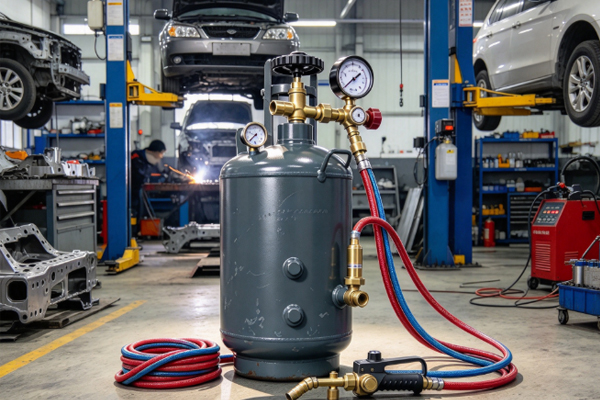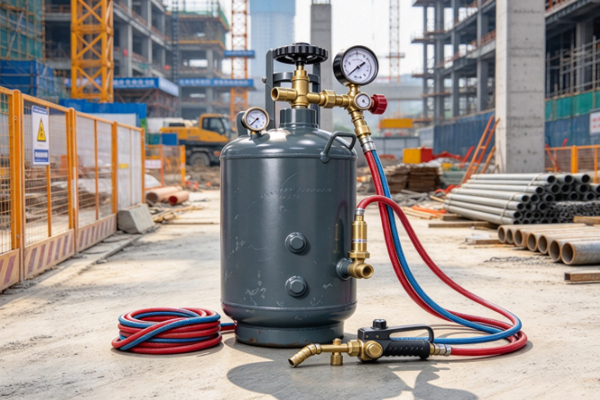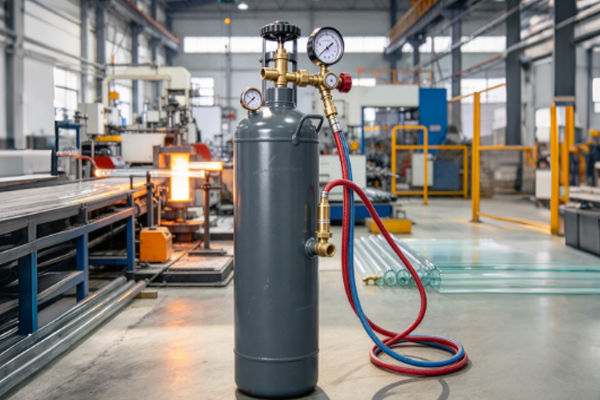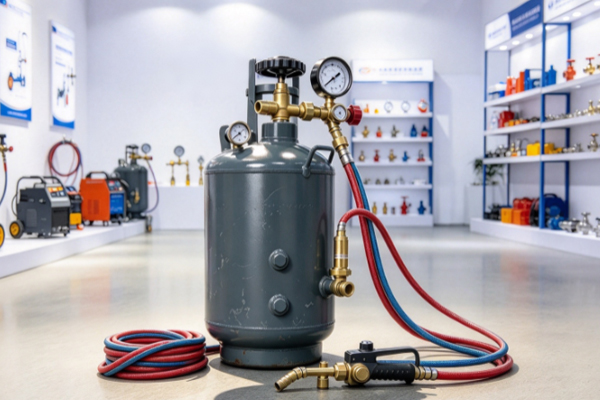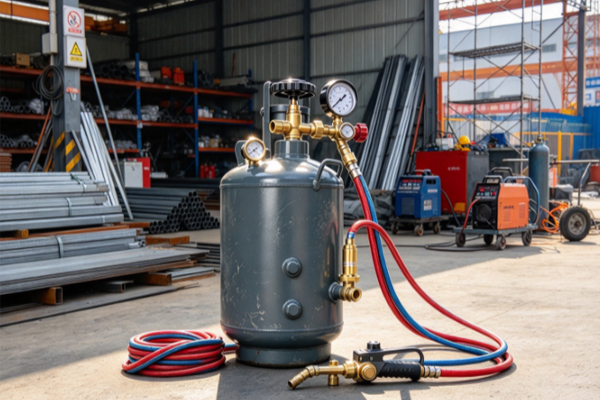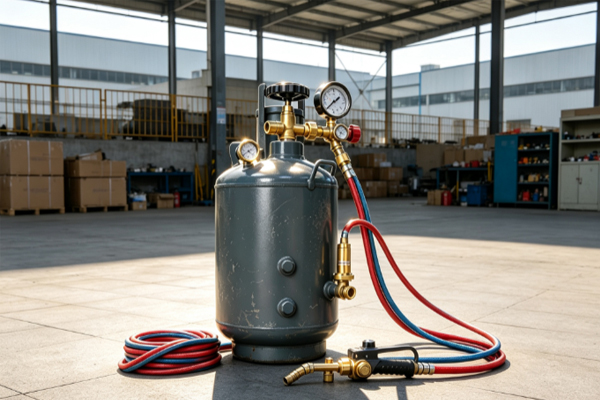
Acetylene equipment is widely used in industrial production such as welding, cutting, and metal processing. Common equipment includes acetylene generation equipment, acetylene storage tanks, transportation pipelines, valves, and related safety accessories. When purchasing acetylene equipment, in addition to paying attention to acetylene storage tank prices and equipment procurement costs, users also need to consider later maintenance expenses. After all, equipment cannot operate for a long time without management after purchase. Daily inspections, component replacements, and safety tests will all affect the overall operating cost. Many users believe that acetylene equipment is a high-risk industrial device, so its maintenance cost must be very high. In fact, the maintenance cost of acetylene equipment is related to equipment type, usage frequency, operating standards, and daily maintenance conditions. If the equipment is reliable in quality and inspected and maintained according to requirements, the long-term operating cost will not be particularly high. On the contrary, if equipment maintenance is neglected and component damage or safety issues occur, later repair costs may increase significantly.
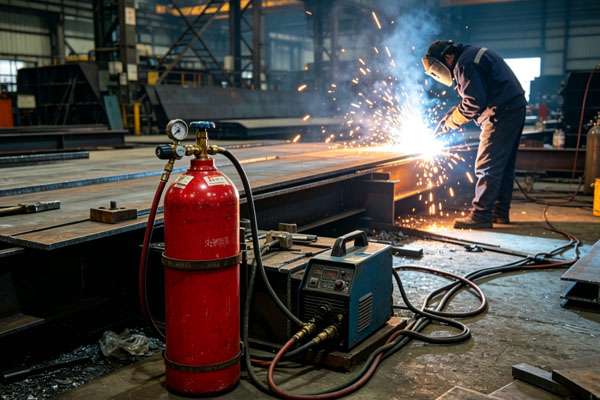
What Parts Mainly Make Up the Maintenance Cost of Acetylene Equipment?
Daily Inspection Costs Have a Relatively Small Impact
Daily maintenance of acetylene equipment mainly includes appearance inspections, connection point checks, pressure condition checks, and safety accessory inspections. These tasks usually do not require high costs and mainly rely on employees following standard operating procedures.
Common inspection items include:
● Checking whether there is corrosion on the equipment surface;
● Checking whether valve connections are normal;
● Confirming whether pipelines have leakage;
● Checking whether pressure displays remain stable.
For example, if an enterprise arranges workers to inspect acetylene storage tanks and related pipelines every day, small problems can be discovered in time to prevent serious failures after long-term operation. The labor cost invested in daily inspections is relatively low, but it is very important for reducing later repair expenses. If enterprises ignore simple inspections, minor problems may gradually develop into equipment damage. For example, a slightly aged sealing component that is not handled in time may cause gas leakage and require the replacement of more components. Therefore, regular inspection is a low-cost but highly effective method in acetylene equipment maintenance.
Component Replacement Costs Determine Long-Term Maintenance Investment
As acetylene equipment operates for a longer period, some wearing parts need to be replaced regularly, such as sealing components, valve assemblies, and connection accessories. These components usually do not cost too much, but their replacement cycles affect overall maintenance expenses. The higher the equipment usage frequency, the faster related components wear. For example, welding processing companies that use acetylene equipment continuously for a long time need to pay more attention to the condition of components. If aging sealing parts are not replaced in time, equipment operating efficiency may decrease or even affect production safety. In comparison, regularly replacing small components can avoid larger repair expenses. Therefore, the maintenance cost of acetylene equipment does not completely depend on equipment price but is also related to the company’s daily management methods.
What Factors Affect the Maintenance Cost of Acetylene Equipment?
Equipment Quality Affects Repair Frequency
The quality of acetylene equipment is an important factor affecting maintenance expenses. Higher-quality equipment usually uses stable materials during manufacturing and undergoes relevant inspections, resulting in a relatively lower failure rate during long-term operation. If users only focus on low prices during procurement and choose equipment with unstable quality, frequent repairs may be required later.
For example, some low-priced acetylene storage tanks may have lower purchase costs, but due to insufficient materials, corrosion protection treatment, or manufacturing processes, they may require more frequent maintenance during operation. Reliable equipment may have a higher initial purchase price, but it can operate stably for a longer period and reduce repair frequency. Therefore, when calculating acetylene storage tank prices, users should also consider the later maintenance costs of the equipment.
Usage Methods Affect Equipment Service Life
The maintenance cost of acetylene equipment is also related to the operating habits of users. Proper operation can extend equipment service life and reduce failures.
Common influencing factors include:
● Whether the equipment is used according to specified pressure requirements;
● Whether regular cleaning and inspections are carried out;
● Whether equipment collisions are avoided;
● Whether shutdown maintenance is performed according to requirements.
For example, two companies may use the same acetylene storage tank. One company’s equipment remains in good condition after many years, while another company requires repairs within a short period. The main difference lies in equipment management methods. If employees operate equipment improperly, such as frequently using equipment under overload conditions, valves, connection components, and other parts may wear faster, increasing repair costs.
How to Reduce the Maintenance Cost of Acetylene Equipment?
Select Suitable Equipment to Reduce Future Expenses
To reduce acetylene equipment maintenance costs, the procurement stage is very important. Enterprises need to select equipment specifications according to actual usage requirements instead of simply purchasing the cheapest products.
When selecting acetylene storage tanks, attention should be paid to:
● Whether the storage capacity meets production requirements;
● Whether the equipment structure is reasonable;
● Whether the manufacturer is reliable;
● Whether after-sales service is complete.
For example, if a small processing company chooses an acetylene storage tank that is too large, it not only increases procurement costs but may also increase management expenses. Selecting equipment that matches production requirements can reduce daily maintenance pressure. Reasonable procurement can reduce later repair frequency and help equipment maintain stable operation for a long time.
Establish a Regular Maintenance System
For many enterprises, increased acetylene equipment maintenance costs are not caused by poor equipment quality but by a lack of standardized management. Establishing a regular maintenance system can help detect equipment abnormalities in advance.
A maintenance plan can include:
● Checking equipment operating status every day;
● Regularly inspecting safety accessories;
● Replacing wearing parts according to schedules;
● Recording equipment maintenance conditions.
For example, after an enterprise establishes equipment maintenance records, it can clearly understand the time of each repair and component replacement, allowing maintenance work to be arranged in advance and avoiding sudden equipment failures that affect production. Standardized management can reduce unexpected repair costs and improve equipment utilization efficiency.
Frequently Asked Questions
Is the Maintenance Cost of Acetylene Equipment Very High?
Not necessarily. The maintenance cost of acetylene equipment mainly depends on equipment quality, operating environment, and management methods. Under normal conditions, regular inspections and replacement of commonly used components can keep equipment operating stably. Only when equipment lacks maintenance for a long time and serious failures occur will repair costs increase significantly.
Does an Acetylene Storage Tank Need Frequent Repairs?
Under normal circumstances, acetylene storage tanks do not require frequent repairs, but they do require regular inspections. Key inspection items include tank condition, connection parts, safety accessories, and usage conditions. If corrosion, leakage, or abnormal conditions are discovered, they should be handled promptly to prevent problems from becoming more serious.
Does a Higher Equipment Price Always Mean Lower Maintenance Costs?
Not necessarily. Equipment price is only part of the procurement cost. Maintenance costs are also affected by manufacturing quality, operating environment, and management level. Selecting reliable equipment that meets actual requirements and maintaining it properly can usually reduce long-term maintenance expenses.
How Can We Determine Whether Acetylene Equipment Maintenance Costs Are Reasonable?
This can be evaluated through equipment operating time, repair frequency, and component replacement conditions. If equipment operates stably for a long time with fewer maintenance requirements, it indicates that maintenance costs are well controlled. When purchasing acetylene storage tanks, enterprises can also consult manufacturers about equipment maintenance requirements and prepare cost budgets in advance.
The maintenance cost of acetylene equipment is not fixed. It is related to equipment quality, purchase price, usage frequency, and maintenance methods. When purchasing acetylene equipment, users need to consider acetylene storage tank prices, equipment performance, and after-sales support together. Lower-priced equipment does not always save costs. If frequent repairs are required later, the overall investment may become higher. Choosing equipment that meets usage requirements and provides reliable quality can reduce failures and improve production stability. Through regular inspections, timely replacement of wearing parts, and standardized operating procedures, equipment service life can be extended and unexpected maintenance situations can be reduced.