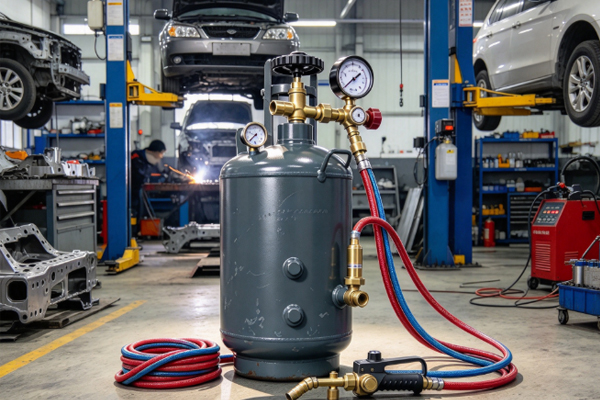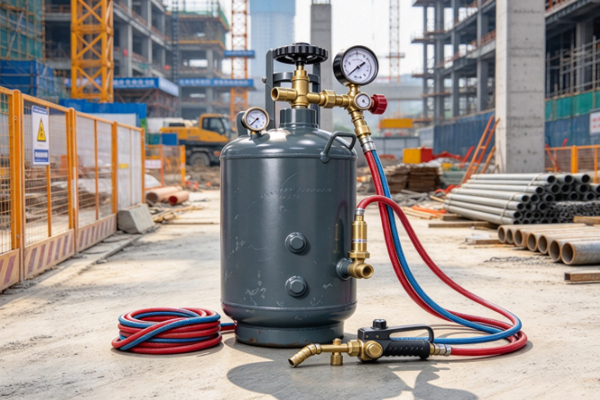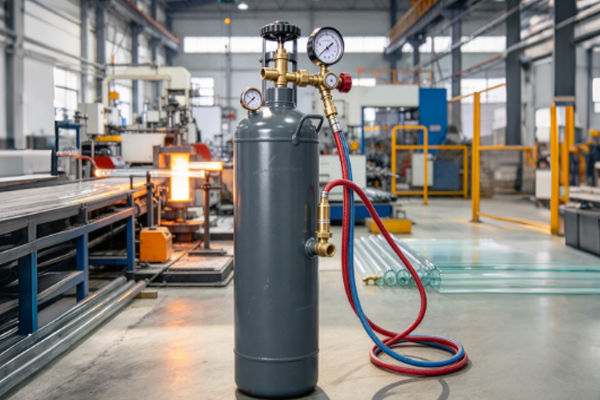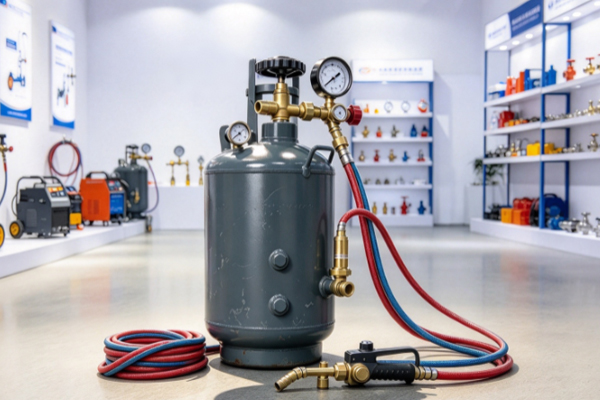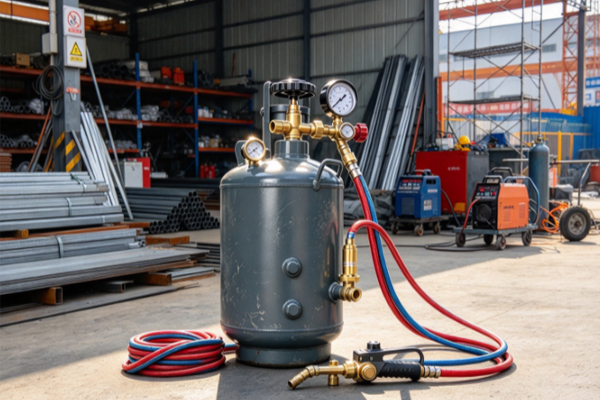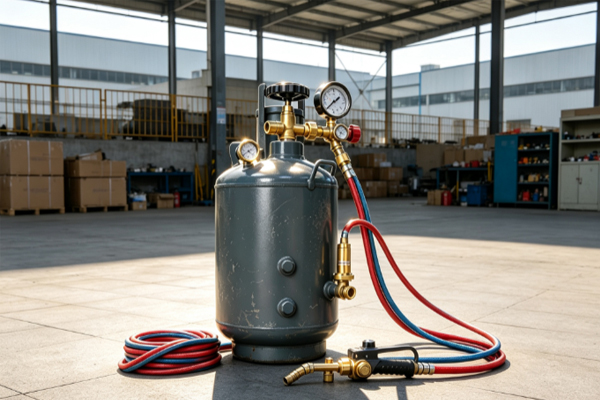
Purchasing a new empty acetylene cylinder is a common requirement in industrial gas usage, especially in welding, cutting, and metal processing industries. As a basic load-bearing equipment, the cylinder directly affects subsequent usage costs and operational safety. Many users focus on price when purchasing, but the cost of a new cylinder does not only include the steel cylinder itself; it also involves production processes, inspection standards, transportation, and qualification-related costs. Therefore, the price range is not fixed.
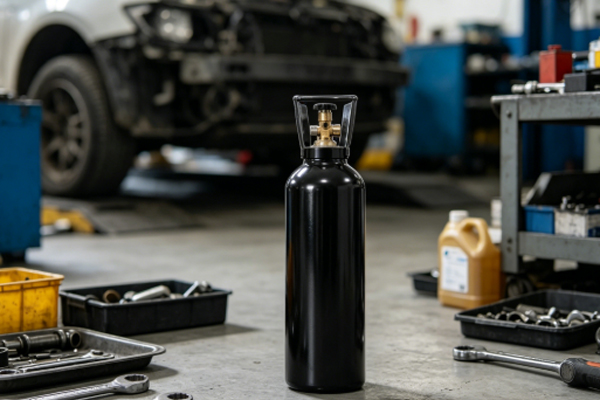
Price of Purchasing a New Empty Acetylene Cylinder
Common Price Range:
The price of a new empty acetylene cylinder usually varies depending on capacity and material. For the commonly used 40L standard acetylene cylinder, the price is generally around 300 to 900 RMB. Some high-standard or export-grade cylinders may be more expensive. Small-capacity cylinders are relatively cheaper and are suitable for mobile operations or small repair work, while large-capacity or high-strength cylinders cost more due to increased material thickness and higher production costs, resulting in higher overall prices.
Main Factors Affecting the Price of New Acetylene Cylinders
● Material and Manufacturing Process Costs
Acetylene cylinders are made of high-strength steel and must withstand high-pressure conditions, which requires strict material standards. Steel grade, wall thickness design, and welding processes all directly affect production costs. Many people think a gas cylinder is just a simple steel container, but in reality, its manufacturing requirements are complex. The cylinder must have sufficient strength to avoid deformation, cracking, or safety issues during long-term use. Higher-quality materials and more precise manufacturing processes naturally lead to higher prices.
During production, multiple inspection procedures are also required, including pressure resistance testing and sealing tests. These processes increase manufacturing costs and directly affect the final selling price. A new cylinder is not simply produced and sold; it must go through a series of inspections to ensure that the cylinder body, valve, and connections are all in good condition. The stricter the testing process, the higher the cost, but the greater the safety assurance.
● Capacity Specifications and Structural Differences
Different cylinder capacities result in noticeable price differences. Larger capacities require more steel material and more complex manufacturing processes, leading to higher prices. The common 40L cylinder is suitable for most industrial applications, but special operations may require different specifications. Capacity differences not only affect gas storage but also change the weight, handling method, and storage requirements of the cylinder, which naturally leads to price variations.
Some specially designed cylinders also include enhanced safety features, such as thicker walls or reinforced valve structures. These products are usually more expensive than standard models. For applications requiring higher safety standards, manufacturers may improve details such as more durable valves, stronger cylinder bodies, and more stable connections. Although these improvements increase unit cost, they help reduce failures and replacement frequency over long-term use. Choosing only based on low price may lead to higher maintenance costs later.
Usage Notes for Purchasing New Acetylene Cylinders
● Deposit and Usage Cost Considerations
The price of a new empty acetylene cylinder usually refers only to the equipment itself and does not include subsequent gas filling costs or deposits. Many users mistakenly assume that purchasing a new cylinder means it can be used indefinitely without additional costs. In reality, the cylinder is only a storage container, and additional costs such as refilling, transportation, circulation, and management must also be considered. Therefore, the actual usage cost is more complex than the purchase price alone.
Some gas suppliers adopt a leasing model, where the cylinder price is reflected as a deposit. This deposit may be refunded or converted after use, making it more flexible for long-term usage. For companies with unstable gas demand, leasing can reduce upfront investment and inventory pressure. However, it is important to clarify whether the model is purchase, deposit-based, or rental before procurement to ensure accurate budgeting.
● Safety Inspection and Compliance Standards
New cylinders must comply with national or industry safety standards and pass pressure testing and certification before leaving the factory. Acetylene cylinders are pressure vessels with much stricter safety requirements than ordinary containers, so they cannot be used without proper inspection. Qualified products usually have clear markings, identification numbers, and inspection records, which are essential for safe use and management.
When purchasing, users must confirm whether the cylinder has complete inspection labels to avoid safety risks or additional replacement costs caused by non-compliant products. Low-priced products are not necessarily more cost-effective, because replacement, transportation, and project delays caused by non-compliance can increase overall costs. In industrial environments such as factories and construction sites, cylinder issues may affect not only expenses but also production schedules. Therefore, besides price, certification and inspection status should also be carefully checked.
Frequently Asked Questions
Q1: Why do prices for new empty acetylene cylinders vary so much?
The main reasons include differences in capacity, steel grade, and manufacturing processes. Standards vary among manufacturers, which also affects final pricing.
Q2: Is it better to buy or rent a cylinder?
Rental is more suitable for short-term use or temporary projects. For long-term stable gas consumption, purchasing cylinders or establishing a fixed supply agreement is more cost-effective.
Q3: Can a new cylinder be filled and used immediately?
It must first pass inspection and be filled by a qualified gas supplier to ensure safe and compliant usage.
Q4: What is the service life of a gas cylinder?
Under normal use and regular inspections, cylinders have a long service life. However, periodic safety testing is required to ensure continued compliance.
Conclusion
The price of a new empty acetylene cylinder is determined by capacity specifications, steel grade, manufacturing process, and safety inspection standards. The common price range is approximately 300 to 900 RMB, although actual costs vary depending on usage scenarios and procurement methods. For general users, understanding the market price and selecting based on usage volume and working environment makes it easier to choose the right product. Price is only a reference; the most important factor is whether the cylinder can operate safely, stably, and long-term.It should be noted that focusing only on unit price does not fully reflect the real cost. A comprehensive evaluation should also include usage cycle, refilling method, and subsequent management costs. Choosing standardized and high-quality cylinders helps reduce long-term risks while improving overall efficiency and operational stability.