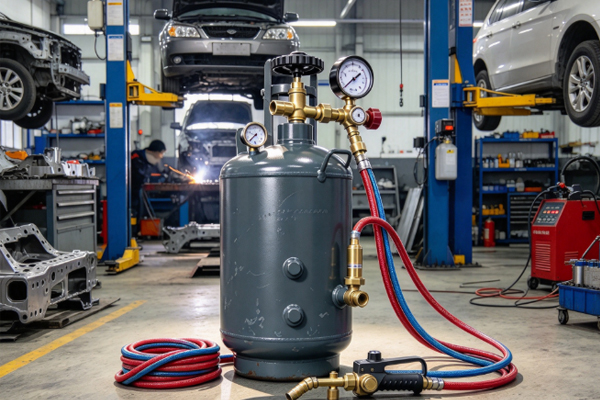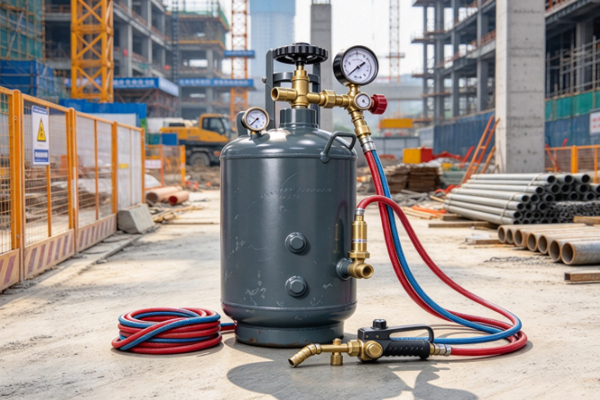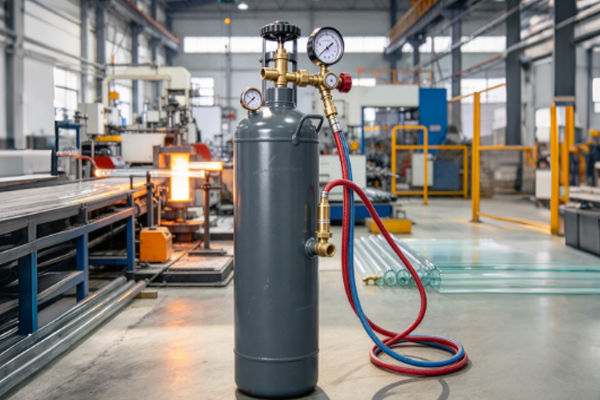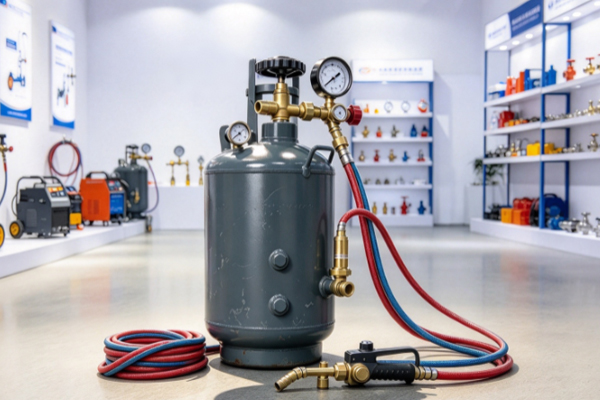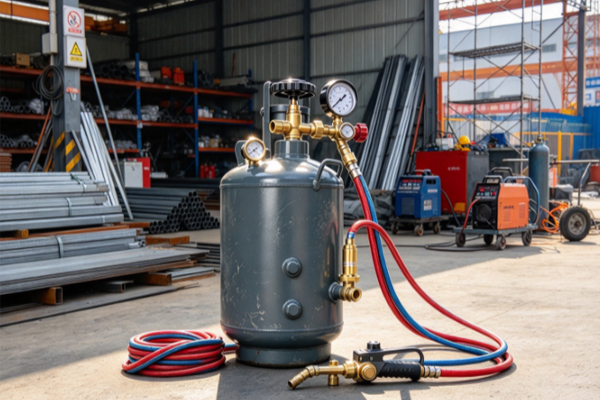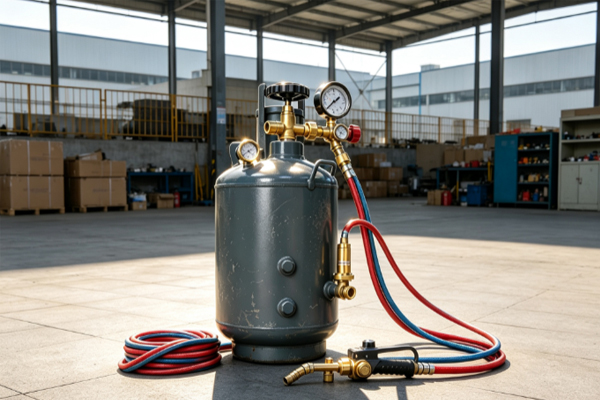
In the metal processing industry, operations such as cutting, welding, and heat treatment require a stable gas supply, and acetylene, as a commonly used fuel gas, relies heavily on properly sized storage equipment. For processing companies, selecting the right acetylene storage tank size is not simply about choosing the largest capacity. It requires comprehensive consideration of production scale, equipment quantity, working hours, and gas consumption intensity. A properly sized tank ensures stable gas supply while reducing equipment investment and operating costs, making it an important factor in improving metal processing efficiency.
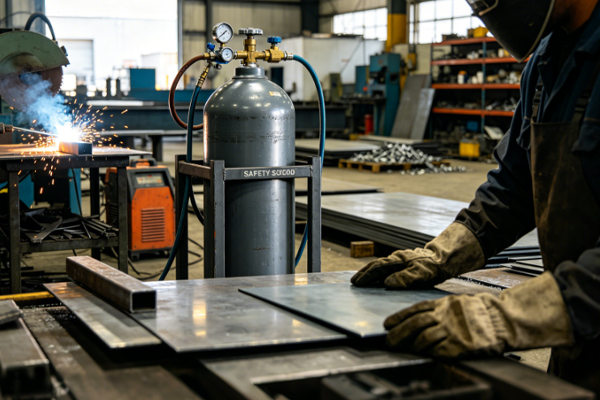
Common Acetylene Storage Tank Size Ranges for Metal Processing
Metal processing companies vary greatly in production methods, equipment numbers, and workload intensity. Therefore, acetylene storage tank sizes should be selected according to actual application conditions. Different capacity ranges are designed to meet different production requirements, and companies need to understand their gas consumption patterns to avoid improper equipment configuration:
- Small processing workshops: 40L–80L tanks are suitable for maintenance work, small parts processing, and occasional welding or cutting tasks, offering excellent flexibility
- Medium-sized processing companies: 100L–300L tanks can support multiple machines operating simultaneously and are suitable for machinery manufacturing and sheet metal processing
- Large manufacturing plants: 500L+ tanks or centralized gas supply systems are suitable for continuous production environments and provide a more stable gas supply
Proper size selection prevents insufficient gas supply or unnecessary equipment investment, improving overall operational efficiency.
Recommended Tank Sizes for Different Metal Processing Applications
Since metal processing covers a wide range of applications, different processes have different requirements for acetylene consumption, operating time, and supply continuity. Therefore, tank selection should be adjusted according to specific working scenarios:
- Precision parts processing: usually requires lower gas consumption, so small or medium-sized tanks are sufficient for daily operations
- Steel plate cutting and structural fabrication: involves longer operating periods and higher gas consumption, requiring medium or large tank configurations
- Machinery equipment maintenance: work locations may change frequently, making portable tanks more convenient for on-site operations
- Large-scale production lines: centralized gas supply systems are recommended to improve production stability
- Selecting the appropriate size based on actual processing conditions helps reduce downtime caused by insufficient gas supply.
Factors Affecting Acetylene Storage Tank Size Selection for Metal Processing
When determining acetylene storage tank size, companies should not focus only on storage capacity. Production schedules, equipment configuration, and future development plans must also be considered. A comprehensive evaluation helps create a more stable and efficient gas supply solution:
- Number of processing machines: more equipment requires higher simultaneous gas demand
- Working schedule: continuous production requires greater storage capacity
- Processing type: cutting operations usually consume more acetylene than standard welding tasks
- Workshop space limitations: available installation areas affect tank size selection
- Future expansion plans: additional capacity should be reserved for production growth
Careful evaluation of these factors helps companies choose a more economical and suitable tank solution.
Common Mistakes When Selecting Acetylene Storage Tank Size
During procurement, some companies choose equipment based only on experience or short-term requirements while overlooking long-term production changes and site conditions. This may reduce operational efficiency or increase unnecessary costs:
- Pursuing excessive capacity and increasing purchase and maintenance costs
- Considering only current demand while ignoring future production growth
- Overlooking installation conditions, resulting in poor site layout
- Underestimating peak gas demand, causing production interruptions
To avoid these issues, companies should conduct detailed gas demand analysis and site planning before purchasing.
How to Choose the Right Acetylene Storage Tank Size for Metal Processing?
To ensure long-term stable operation, companies should select acetylene storage tank sizes based on actual production requirements while considering safety standards, operating costs, and future development plans rather than simply comparing tank capacities:
- Determine capacity based on average daily and peak gas consumption
- Select suitable storage capacity according to production continuity requirements
- Prioritize safety, stability, and maintenance convenience
- Choose suppliers with professional manufacturing capabilities
- Reserve expansion space based on future development plans
Scientific selection helps companies reduce operational risks while improving production efficiency.
Choosing the right acetylene storage tank size for metal processing requires comprehensive consideration of processing type, production scale, gas demand, and site conditions. A properly configured tank ensures stable gas supply, improves processing efficiency, and reduces long-term operating costs. Zhongcheng Gas Cylinde provides acetylene storage tank size solutions in various specifications to meet the safe and efficient gas supply needs of different metal processing companies.