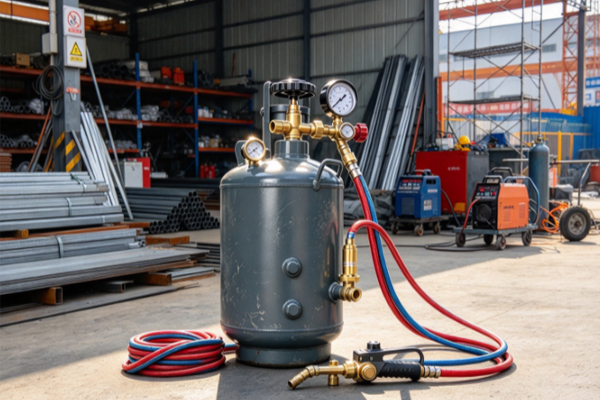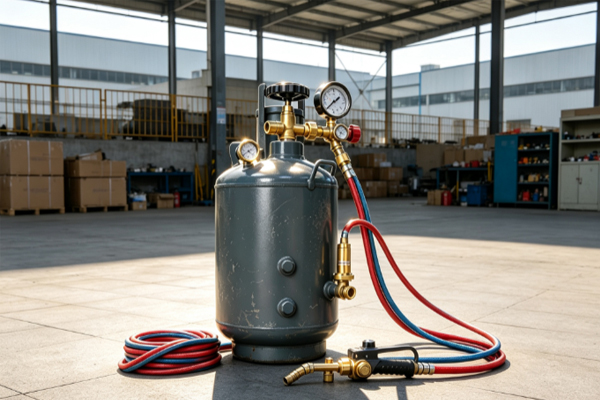
Acetylene cylinders must be used within an appropriate temperature range to ensure stable gas delivery and safe operation during welding, flame cutting, metal heating, and industrial fabrication. Excessively high temperatures can rapidly increase internal cylinder pressure, while low temperatures reduce the acetylene release rate, affecting flame stability and cutting quality. Understanding the recommended temperature limits and applying proper operating practices helps improve equipment performance, reduce safety risks, and extend the service life of cylinders and related accessories.
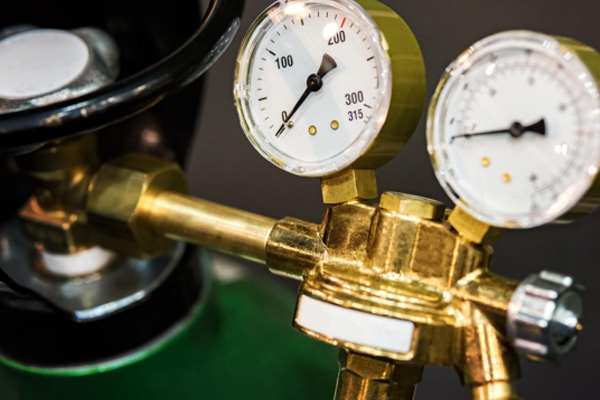
How Temperature Affects the Working Principle of an Acetylene Cylinder
An acetylene cylinder stores acetylene gas dissolved in acetone within a porous filler material. Changes in ambient temperature directly influence both the acetone’s ability to retain acetylene and the gas release rate. As the temperature rises, the internal pressure gradually increases. When the temperature drops, acetylene is released more slowly, reducing the available gas flow. If the cylinder remains outside the recommended temperature range for an extended period, the pressure regulator and gauges may not perform properly, increasing operational risks. For this reason, acetylene cylinders should never be exposed to direct sunlight, high-temperature equipment, or freezing environments during use.
Benefits of Maintaining Proper Operating Temperature
Keeping an acetylene cylinder within a suitable temperature range ensures consistent gas output, allowing the welding flame to remain stable and improving cutting quality. In industrial applications, proper temperature control also minimizes pressure fluctuations, reducing wear on regulators, hoses, torches, and other components. Stable operating temperatures improve the reliability of the entire gas supply system, reduce unnecessary maintenance, and help prevent production interruptions. For facilities that operate continuously, effective temperature management supports higher productivity and longer equipment service life.
How to Control Acetylene Cylinder Temperature During Use
Proper temperature management helps maintain stable gas supply and reduces the possibility of equipment failure. Establishing standard operating procedures also improves overall workplace safety.
The following practices are recommended during daily operation:
- Keep cylinders out of direct sunlight:Store and use acetylene cylinders in shaded locations to prevent excessive internal pressure caused by solar heating.
- Keep away from heat sources:Maintain a safe distance from furnaces, boilers, welding sparks, and other high-temperature equipment.
- Ensure adequate ventilation:Good airflow helps reduce ambient temperature and prevents heat accumulation around the cylinder.
- Allow cylinders to warm naturally in cold conditions:If used in cold environments, move the cylinder to a moderate-temperature area before operation. Never use an open flame or direct heat source to warm the cylinder.
- Monitor pressure regularly:Observe pressure gauge readings for unusual fluctuations. Stop operation and inspect the system if abnormal pressure changes occur.
Following these temperature control practices helps maintain stable gas delivery and improves the continuity of welding and cutting operations.
Temperature Management in Different Working Environments
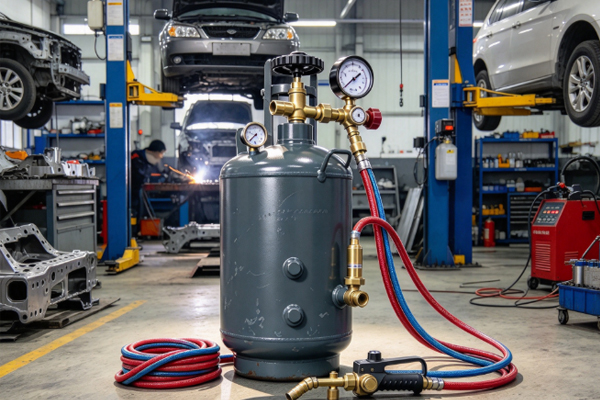
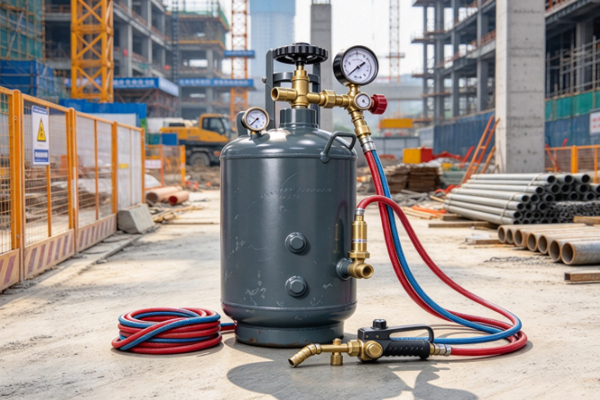
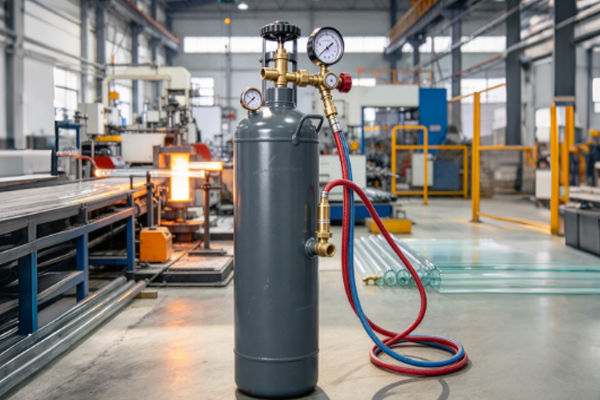
Acetylene cylinders are used in manufacturing plants, construction sites, shipyards, mechanical workshops, and many other industrial environments, each with different temperature conditions. During hot summer construction, direct sunlight can significantly increase cylinder surface temperature, making shade and regular inspections essential. In cold winter environments, slower acetylene release may affect flame stability, so cylinders should be allowed to reach a suitable temperature before use. In high-temperature workshops, cylinders should always be positioned away from heat-generating equipment with sufficient ventilation. Adapting temperature management practices to different work environments helps maintain safe and reliable cylinder performance.
Best Practices for Temperature Management
Good operating habits minimize the impact of temperature changes and help maintain long-term system reliability. Routine inspections also allow operators to identify problems before they become serious.
Recommended maintenance practices include:
- Monitor ambient temperature regularly:Record workplace temperatures and avoid prolonged exposure to extreme conditions.
- Inspect the cylinder exterior:Look for abnormal heating, deformation, corrosion, or any visible damage.
- Keep the cylinder upright and secured:Proper positioning prevents valve damage and supports consistent gas delivery.
- Follow proper transportation and storage procedures:Protect cylinders from direct sunlight during transport and store them in cool, dry, and well-ventilated locations.
- Perform routine equipment inspections:Regularly inspect regulators, pressure gauges, valves, and hose connections to ensure safe operating conditions.
With proper temperature management and standardized operating procedures, acetylene cylinders can maintain stable performance in various industrial environments, providing a safe and reliable gas supply for welding, cutting, and metal fabrication.