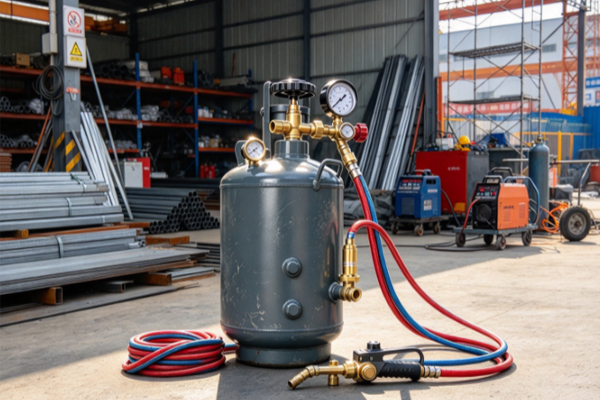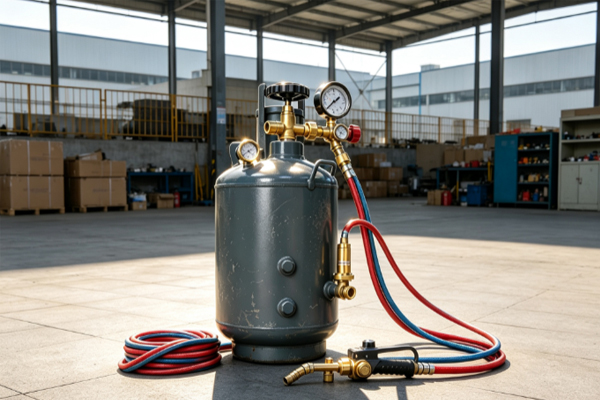
In welding, gas cutting, and metal processing industries, acetylene gas cylinders are essential gas supply equipment. However, many companies face a common question when purchasing: what are the actual differences between small and large acetylene gas cylinders, and which one is more suitable? The difference is not only about size. There are clear differences in gas storage capacity, working time, transportation methods, and application scenarios. Some small workshops choose oversized equipment and later find that it takes up too much space, while some companies choose smaller cylinders to save costs but experience frequent replacements that affect production. Choosing the right acetylene storage tank size can make daily gas supply more convenient and reduce unnecessary production issues.
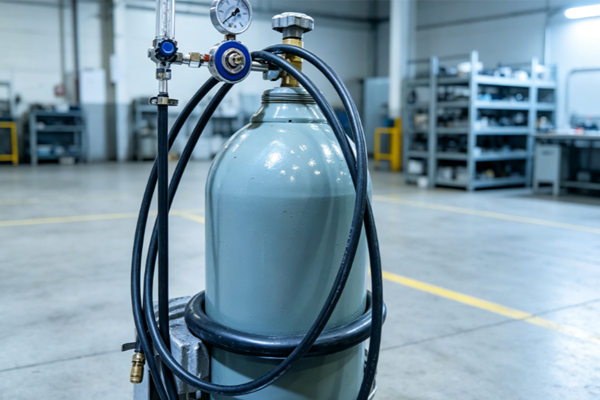
What Are the Size Differences Between Small and Large Acetylene Gas Cylinders?
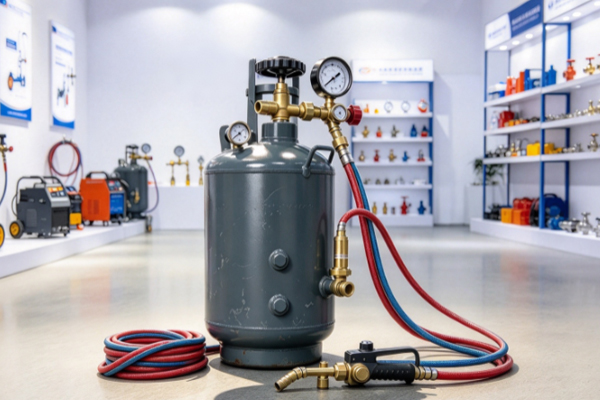
The most obvious differences between acetylene gas cylinders are their external dimensions and storage capacity. The size of the equipment directly affects installation space, transportation difficulty, and the amount of acetylene that can be stored at one time. For companies with different usage frequencies, selecting the right cylinder size is very important.
Common differences include:
- Different cylinder sizes: Small cylinders take up less space and are easier to move.
- Different storage capacities: Large cylinders store more acetylene and support longer operation.
- Different weights: Large cylinders are heavier and require better handling and placement conditions.
Small acetylene gas cylinders are more suitable for locations with limited space or mobile operations, while large acetylene gas cylinders are better suited for fixed production areas. When selecting equipment, companies need to consider the installation space and actual gas requirements to choose a suitable acetylene storage tank size.
Different Production Environments Require Different Acetylene Gas Cylinder Sizes
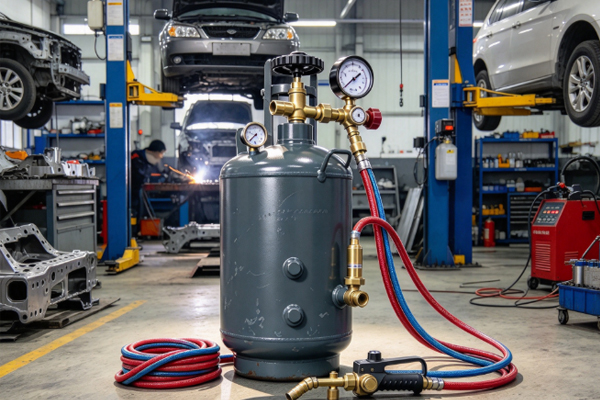
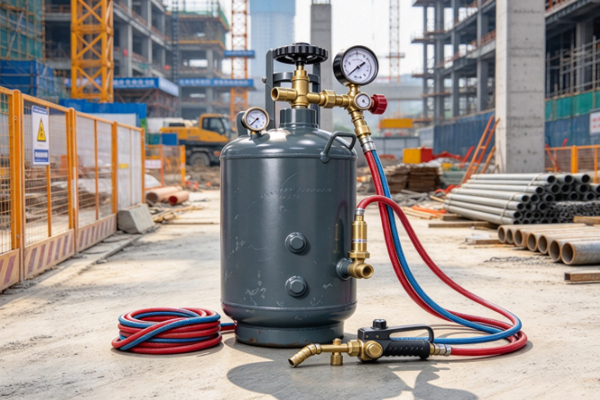
Small and large acetylene gas cylinders are not simply different in size; their main difference lies in their application environments. Repair workshops, construction sites, and large factories have different working methods and gas supply requirements.
Common applications include:
- Repair welding work: Small cylinders are easy to carry and suitable for temporary repairs and small-scale processing.
- On-site construction: Smaller cylinders are more flexible when equipment needs to be moved frequently.
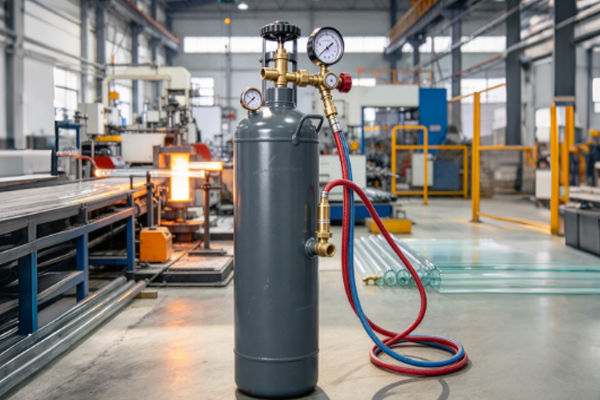
- Regular production workshops: Medium and large cylinders are more suitable for fixed long-term gas supply.
- Large manufacturing plants: Multiple welding stations require higher gas storage capacity.
For occasional welding work, small acetylene gas cylinders are more convenient. However, for companies with daily welding and cutting operations, large cylinders can reduce frequent gas replacement and help maintain continuous production.
How Do Small and Large Acetylene Gas Cylinders Affect Gas Supply Efficiency and Costs?
When choosing acetylene gas cylinders, many companies only consider the purchase price and overlook long-term operating costs. Different cylinder sizes affect replacement frequency, management methods, and overall usage efficiency.
Main differences include:
- Different operating durations: Large cylinders store more gas and support longer working periods.
- Different replacement frequencies: Small cylinders are consumed faster and require more frequent refilling or replacement.
- Different management methods: Large equipment is easier to manage centrally in industrial applications.
From the perspective of initial investment, small acetylene gas cylinders are more affordable and suitable for users with lower gas consumption. However, for companies that use acetylene frequently, repeated cylinder replacement can increase labor and downtime costs. Choosing a suitable acetylene storage tank size can create a better balance between equipment investment and actual operating efficiency.
What Should Be Considered When Choosing an Acetylene Gas Cylinder Size?
When selecting an acetylene gas cylinder, size should not be the only consideration. Different companies have different daily gas consumption, working hours, and installation conditions, so the most suitable specification will vary.
Key points to consider include:
- Daily acetylene consumption: Higher gas usage requires larger storage capacity.
- Number of equipment operating at the same time: Multiple welding points require stronger gas supply capability.
- Available installation space: The working area affects cylinder size selection.
- Future production requirements: Increased production may lead to higher gas demand.
For small repairs and temporary projects, smaller cylinders provide greater flexibility. For long-term manufacturing operations, larger cylinders offer more stable gas supply. Considering these factors in advance can help companies avoid purchasing equipment that does not match their actual needs.
The differences between small and large acetylene gas cylinders are not only about appearance and size. They also involve storage capacity, usage methods, and suitable working environments. When selecting equipment, companies should consider their production conditions, usage frequency, and installation requirements to determine the right acetylene storage tank size. A suitable cylinder specification can reduce replacement frequency, improve gas supply stability, and make welding and gas cutting operations smoother. For companies that use acetylene equipment regularly, choosing reliable products and a proper configuration plan can help achieve safer and more efficient production.