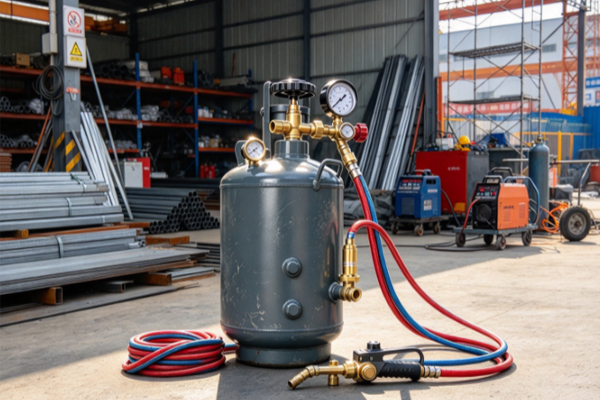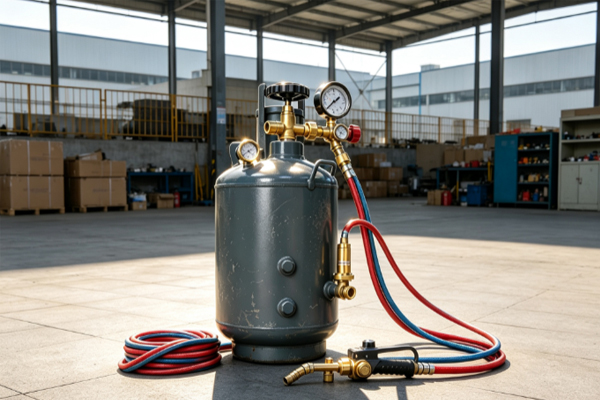
When purchasing an acetylene storage tank, many companies face the same question: why do different types of tanks have different dimensions even when their capacities are similar? The reason is mainly related to the structural design of the tanks. Dry-type and water-seal acetylene storage tanks are both used for acetylene storage, but they differ in length, diameter, height, and installation space requirements. For companies, choosing a tank is not only about storage capacity but also whether the equipment can be installed properly and maintained easily in the future. Especially for welding factories and machining plants that use acetylene regularly, understanding the size differences between these two tank types can help avoid installation problems after delivery.
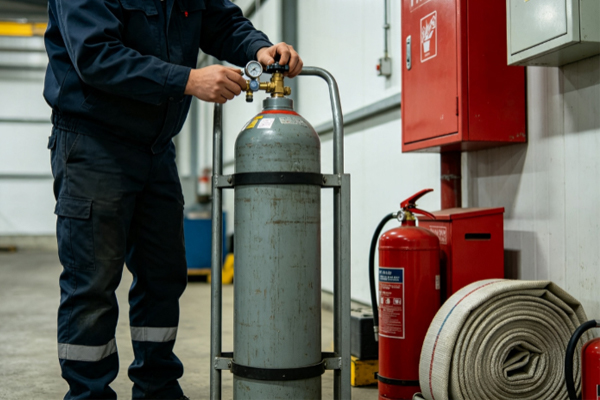
Why Are the Sizes of Dry-Type and Water-Seal Acetylene Storage Tanks Different?
The biggest difference between dry-type and water-seal acetylene storage tanks comes from their internal structures. Dry-type tanks use a sealed design and do not require additional water storage space, making the overall structure more compact. Water-seal tanks rely on a water-sealing structure for gas storage, so they require extra space for the water tank, resulting in a larger overall size.
The main size differences include:
- The length of dry-type acetylene storage tanks is usually around 2 to 5 meters, depending on the storage capacity.
- Water-seal acetylene storage tanks are usually longer because of the additional water tank structure, with common lengths ranging from about 2.5 to 6 meters.
- The diameter of dry-type tanks is generally around 0.8 to 2 meters, requiring less installation space.
- Water-seal tanks need to consider not only the tank diameter but also the width of the water tank, so the required installation area is usually larger.
In simple terms, dry-type tanks are more flexible for factories with limited space, while water-seal tanks can also meet larger storage needs when enough installation space is available.
How Different Are the Sizes of Dry-Type and Water-Seal Tanks with the Same Capacity?
One of the biggest concerns for buyers is the actual size difference between the two types of tanks. Although dimensions vary among manufacturers, water-seal acetylene storage tanks generally require more space than dry-type tanks with the same capacity.
For example:
- For a small acetylene storage tank of around 5m³, a dry-type tank may have a length of about 2 meters and a diameter of 0.8 to 1 meter, while a water-seal tank may require an overall length of more than 2.5 meters due to the additional water structure.
- For a medium-sized tank of around 10m³, a dry-type tank is usually about 3 meters long with a diameter of around 1.2 meters, while a water-seal tank needs additional space for the water section.
- For larger tanks above 20m³, dry-type tanks may reach 4 to 5 meters in length, while water-seal tanks may exceed 5 meters overall.
From an installation perspective, dry-type tanks usually save more space under the same storage capacity, while water-seal tanks are more suitable for companies with fixed installation areas.
What Should Companies Consider When Choosing Acetylene Storage Tank Sizes?
Many companies overlook whether the tank dimensions match their actual working environment. The largest tank is not always the best choice. The right size should match production requirements and installation conditions.
Important factors include:
- Small welding workshops usually focus more on saving space, so compact equipment is easier to install.
- Medium-sized processing companies need to balance storage capacity and available installation space.
- Large factories with dedicated equipment areas can choose larger tank specifications.
- Indoor installations require special attention to equipment height to avoid limitations caused by building space.
For example, some companies may have high acetylene consumption but limited workshop space. In this situation, choosing a tank with a more suitable size is often more practical than simply selecting a larger capacity model.
What Size Details Should Be Confirmed Before Installing Dry-Type and Water-Seal Acetylene Tanks?
After deciding on the tank type, confirming the exact dimensions before installation is also very important. Many installation problems are not caused by equipment quality but by insufficient planning of the site conditions.
Before installation, companies should confirm:
- Check the manufacturer’s size drawings to confirm tank length, diameter, and height.
- Measure factory entrances and transportation routes to ensure smooth delivery.
- Reserve enough space around the tank for inspection, maintenance, and operation.
- Confirm pipeline connection positions to avoid installation difficulties later.
For water-seal acetylene storage tanks, companies need to consider not only the main tank dimensions but also the water tank area and foundation space. Proper measurement in advance can reduce installation adjustments.
The size differences between dry-type and water-seal acetylene storage tanks mainly come from their structural designs and space requirements. Dry-type tanks are more compact and suitable for companies with limited installation areas, while water-seal tanks are larger but can be a good choice for certain fixed installation environments. Companies should consider gas consumption, installation conditions, and future production needs before making a decision. Zhongcheng Gas Cylinde provides acetylene storage tanks in various specifications with professional selection support, helping customers choose equipment solutions that better match their actual requirements.