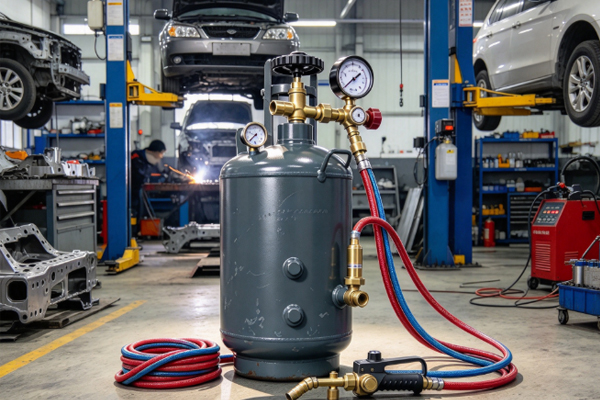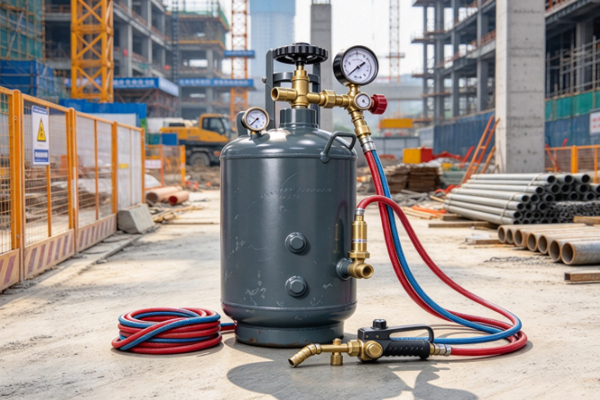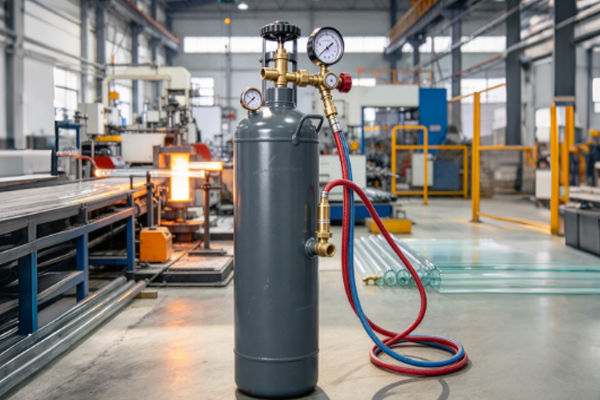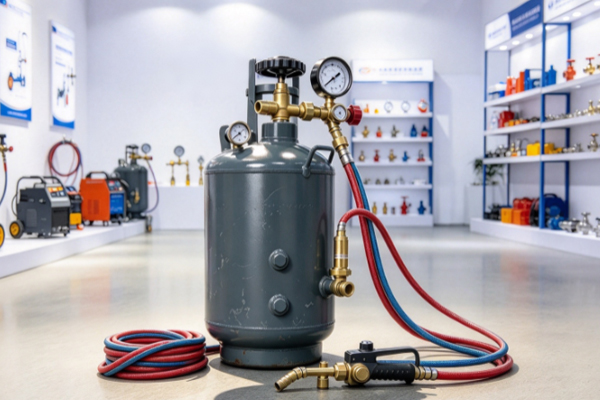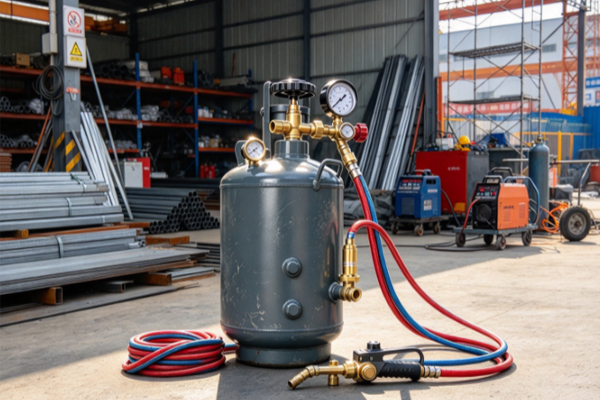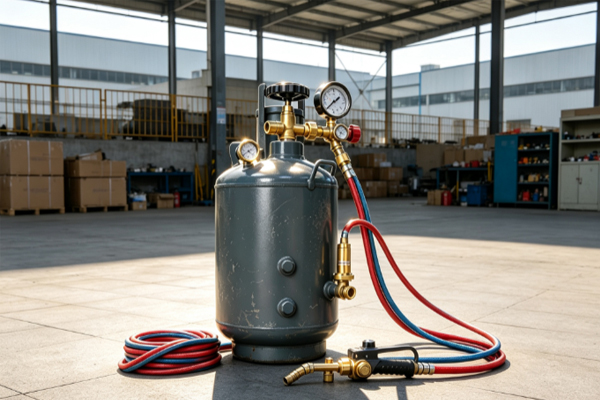
When a factory purchases an acetylene storage tank, one of the most common questions is: “What capacity is enough for our operation?” Although this question seems simple, there is no single answer that fits every company. Different production processes, numbers of welding machines, working hours, and acetylene consumption levels will affect the required tank capacity. Choosing a tank that is too small may cause insufficient gas supply during production, while selecting an oversized tank can increase equipment costs and occupy unnecessary space. In addition to capacity, acetylene storage tank size is also an important factor, including length, diameter, and height, which directly affect installation. Matching the right capacity and dimensions can help the equipment better meet long-term factory needs.
Acetylene Storage Tank Capacity Should Be Based on Actual Gas Consumption
The most important factor when selecting acetylene storage tank capacity is the factory’s actual daily consumption. Different industries use acetylene at different rates, so choosing a tank based only on other companies’ models is not always suitable.
Key factors include:
- Daily acetylene usage time, as longer continuous operation requires more storage capacity.
- Number of welding and cutting machines in the workshop, since more equipment increases total gas demand.
- Production stability, as companies with changing workloads may need additional storage capacity.
Small welding workshops usually have lower acetylene consumption, while medium and large manufacturing companies require a more stable gas supply. Before purchasing, collecting actual usage data over a period of time is more reliable than making a decision based only on experience.
Many companies assume that a larger acetylene storage tank is always safer. However, oversized equipment can increase purchase costs and require more installation space. The ideal capacity should meet production requirements while maintaining a reasonable reserve.
Different Factory Sizes Require Different Acetylene Storage Tank Capacities
Factory size and production scale have a direct impact on acetylene storage requirements. When selecting equipment, companies should match the tank capacity with their production conditions instead of simply choosing the largest available option.
Common considerations include:
- Small repair shops and welding workshops usually choose smaller capacity tanks, focusing on flexibility and efficient space use.
- Medium-sized processing companies need a balance between production efficiency and storage capacity to avoid frequent replenishment.
- Large manufacturing plants often focus more on stable gas supply and sufficient storage capacity due to continuous production demands.
- Factories with multiple production lines need to calculate overall acetylene consumption before selecting tank capacity.
Besides capacity, companies should also pay attention to acetylene storage tank size. Tanks with the same capacity may have different lengths and diameters depending on the manufacturer’s design. For factories with limited space, a properly designed tank size can make installation and management easier.
Acetylene Storage Tank Size and Capacity Must Match Installation Conditions
Many companies focus only on how much gas the tank can store but overlook the actual installation requirements. As tank capacity increases, the overall equipment dimensions usually change as well, making site planning necessary.
Before installation, companies should confirm:
- Length and width of the installation area to ensure the tank can be placed properly.
- Factory height conditions to avoid space limitations.
- Transportation routes to ensure the tank can be moved into the installation area smoothly.
If the factory has limited space but requires higher storage capacity, the equipment design needs to be carefully considered. Manufacturers can usually recommend a more suitable specification based on the customer’s site dimensions, gas requirements, and installation conditions.
When selecting an acetylene storage tank, capacity and dimensions are closely related. Focusing on only one factor may result in equipment that does not perform well in actual use.
Future Production Changes Should Also Be Considered Before Purchasing
An acetylene storage tank is long-term equipment, so companies should not only consider current production needs but also future development plans. If the factory adds more welding equipment or expands production, the existing storage capacity may no longer be sufficient.
During selection, companies should consider:
- Future production plans and possible increases in gas demand.
- Maintenance convenience to support long-term operation.
- Equipment quality and manufacturer service capability to reduce future problems.
Some companies choose a tank that only meets their current needs in order to reduce costs. While this may work initially, production expansion may require replacing the equipment later. Reserving reasonable capacity in advance can reduce future upgrade costs.
There is no universal answer to how much capacity an acetylene storage tank should have for a factory. The right choice depends on gas consumption, production scale, installation conditions, and future development plans. During selection, companies should consider not only storage capacity but also whether the acetylene storage tank size fits the actual site requirements. Zhongcheng Gas Cylinde provides acetylene storage tanks in various specifications with professional selection support, helping customers choose equipment solutions that match their production needs.