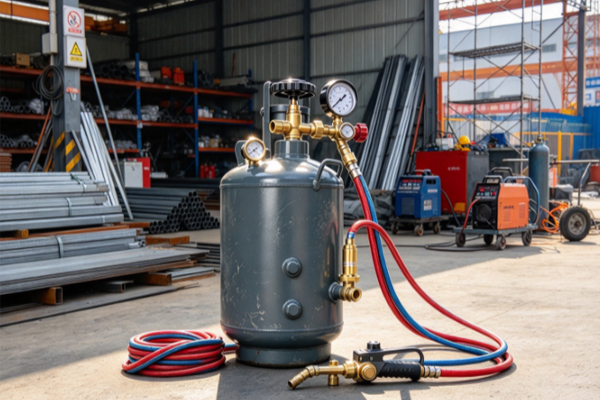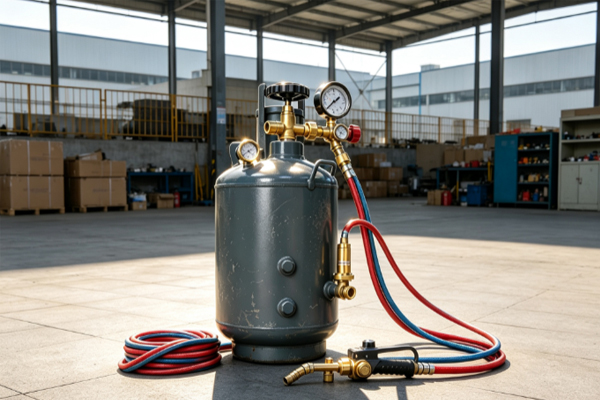
Acetylene cylinders are widely used for welding, flame cutting, metal fabrication, industrial maintenance, and many other manufacturing applications. To ensure safe and reliable operation, every cylinder must be filled according to established filling limits and pressure requirements. If an acetylene cylinder is overfilled, the internal storage conditions may be affected, causing excessive pressure and increasing operational risks. Because acetylene is a highly flammable gas, maintaining proper filling levels is essential for safe storage, transportation, and daily use. Understanding the effects of overfilling, recognizing warning signs, and applying appropriate handling procedures help improve equipment management, reduce potential hazards, and support safe welding and cutting operations.
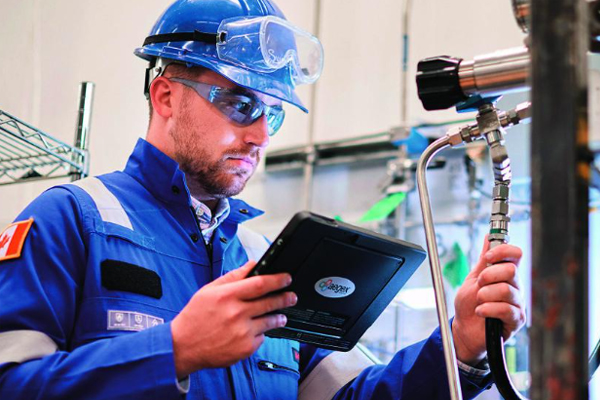
How Overfilling Affects the Internal Operation of an Acetylene Cylinder
Acetylene cylinders store gas using dissolved acetylene technology, where porous filler material and acetone stabilize the acetylene inside the cylinder. Under normal filling conditions, the gas is stored within the specified pressure and capacity limits. When the cylinder is filled beyond its approved capacity, the gas density increases, internal pressure rises, and the storage environment may no longer remain within its designed operating conditions.
Excessive filling places additional stress on the cylinder valve, sealing components, and other connected accessories. If the surrounding temperature rises, the internal pressure may increase even further, affecting the overall safety of the cylinder. Overfilling can also reduce the stability of gas delivery, making pressure regulation more difficult and causing fluctuations during welding or cutting operations.
Acetylene cylinders are engineered to operate within carefully controlled filling limits. Exceeding these limits may reduce system stability and affect the performance of the entire gas supply system. For this reason, filling procedures should always follow applicable safety regulations and approved filling standards.
The Effects of Overfilling an Acetylene Cylinder
Maintaining the correct filling level helps keep an acetylene cylinder operating safely over an extended service life. When overfilling occurs, equipment performance may be affected while operational risks increase. Elevated internal pressure can place excessive stress on valves, pressure regulators, and sealing components, reducing their long-term reliability.
During daily operation, excessive pressure may interfere with the normal function of the pressure regulator, making it more difficult to maintain stable gas delivery. Welding and flame cutting require consistent gas pressure to produce a stable flame. Pressure fluctuations caused by overfilling may affect flame quality and reduce processing efficiency. Long-term exposure of cylinder accessories to abnormal pressure conditions may also accelerate component wear.
For companies that frequently use acetylene cylinders, controlling filling quantities according to approved standards improves equipment reliability, reduces maintenance requirements, and supports efficient gas utilization throughout production.
Common Signs of an Overfilled Acetylene Cylinder
The condition of an overfilled acetylene cylinder can often be identified by observing equipment performance and operating characteristics. Detecting unusual conditions early helps prevent continued operation under unsafe conditions.
The following signs deserve attention:
- Abnormally high cylinder pressure:Pressure gauges may indicate unusually high readings, and pressure adjustment may become more difficult.
- Unstable pressure regulator performance:Excessive internal pressure may affect regulator operation, causing inconsistent outlet pressure.
- Irregular gas flow during operation:Unstable flames or noticeable gas flow fluctuations during welding or cutting may indicate abnormal pressure conditions.
- Noticeable temperature changes on the cylinder:In hot environments or during extended operation, abnormal pressure conditions may increase cylinder temperature and require immediate inspection.
- Increased stress on safety components:Cylinder valves, sealing rings, and connection fittings may experience greater mechanical loads and should be inspected carefully.
If any of these conditions are observed, operation should be stopped immediately, and the cylinder should be inspected according to established safety procedures before further use.
Preventing Overfilling in Different Working Environments
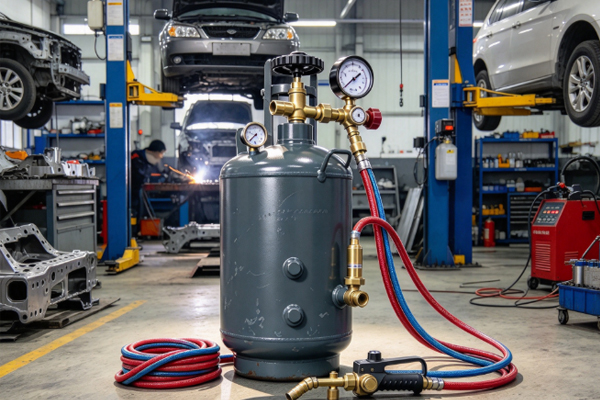
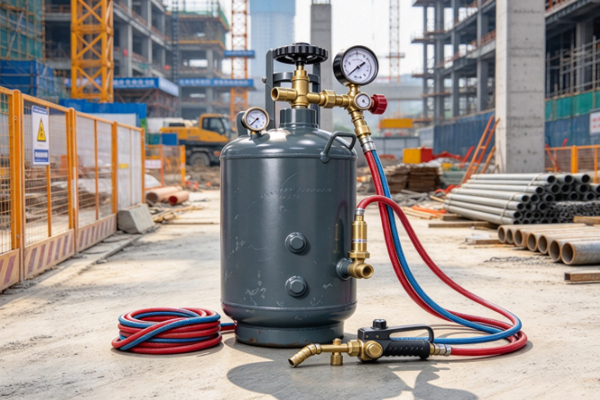
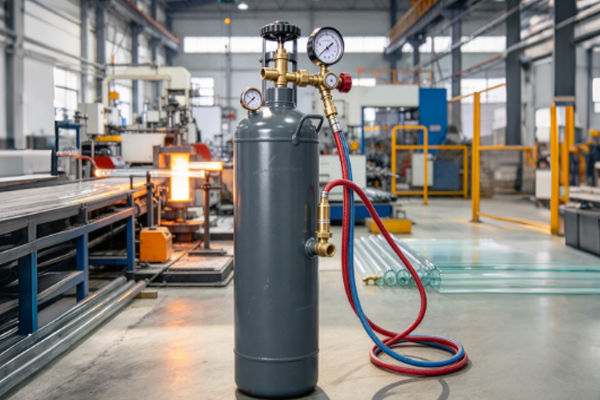
Different industries require different approaches to cylinder management. Welding workshops should establish standardized inspection procedures to verify that incoming cylinders meet approved filling requirements before use. Construction sites often experience changing environmental conditions, making it important to protect cylinders from prolonged heat exposure while ensuring proper transportation and storage. Structural steel fabrication facilities generally use acetylene cylinders continuously and should maintain detailed inspection records to identify abnormal pressure conditions promptly. Machinery maintenance facilities frequently move cylinders between work areas, making routine inspection of cylinder condition and accessories especially important to prevent transportation-related damage.
Proper management of cylinder filling conditions improves equipment reliability while supporting efficient gas utilization. Through standardized inspections, correct storage, and safe operating practices, acetylene cylinders can continue providing stable performance in a wide variety of industrial applications.
How to Handle an Overfilled Acetylene Cylinder Correctly
If an acetylene cylinder is suspected of being overfilled, it should not continue operating under normal conditions. Appropriate handling procedures help reduce the risks associated with excessive internal pressure while protecting both personnel and equipment.
The following actions are recommended:
- Stop using the cylinder immediately:Suspend welding or cutting operations whenever abnormal pressure or suspected overfilling is identified.
- Do not release large amounts of gas without authorization:Gas should never be discharged using unsafe or unauthorized methods, as this may create additional hazards.
- Inspect the cylinder carefully:Examine the cylinder body, valve, pressure gauge, and connected accessories for any signs of abnormal conditions.
- Arrange professional inspection and handling:Cylinders suspected of being overfilled should be evaluated and managed according to applicable safety regulations by qualified personnel.
- Improve filling management procedures:Record abnormal filling events, review filling practices, and strengthen inspection procedures to help prevent similar situations in the future.
By following standardized filling procedures, performing regular inspections, and maintaining effective equipment management, users can minimize the possibility of overfilling while ensuring safe, stable, and reliable operation of acetylene cylinders for welding, cutting, and industrial manufacturing.