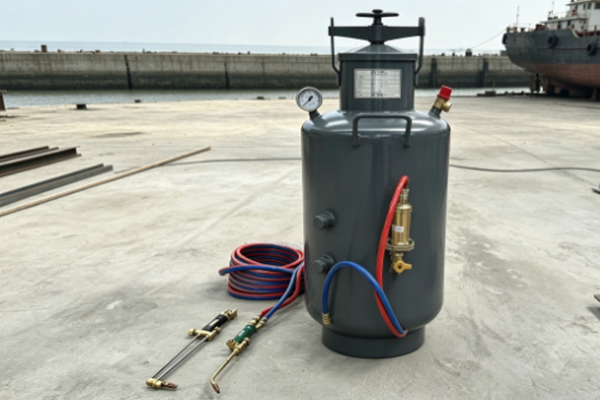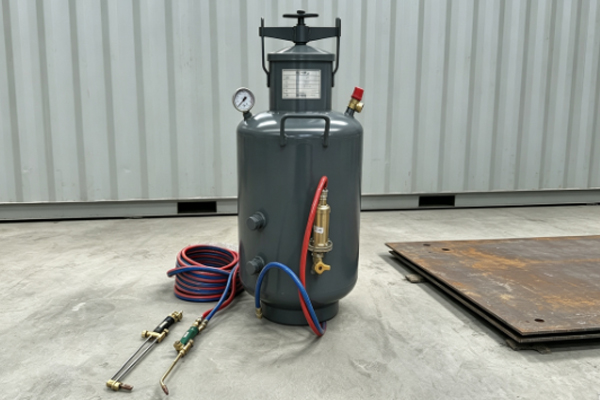
Storing an acetylene tank indoors raises concerns about limited space and ventilation. Placing it outdoors means dealing with sunlight, rain, and equipment protection. When a factory plans to purchase acetylene equipment, choosing the right location can be a challenge. Both indoor and outdoor storage have their own requirements, and convenience should not be the only consideration. For facilities with continuous gas demand, frequent welding and cutting work, or construction sites far from filling stations, the storage location can also affect pipeline layout, maintenance, and operating costs. Proper planning for acetylene tank installation helps ensure the equipment suits the actual site conditions.
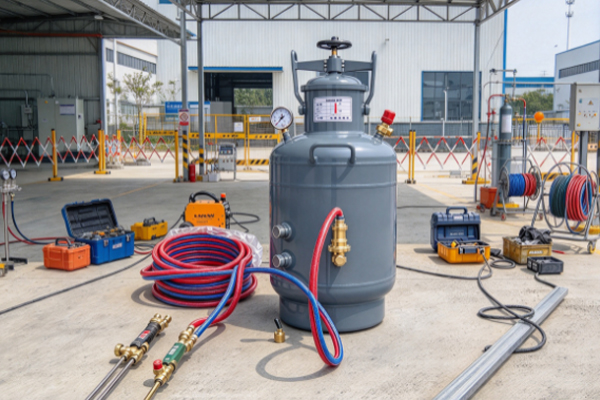
What Are the Requirements for Storing Acetylene Tanks Indoors?
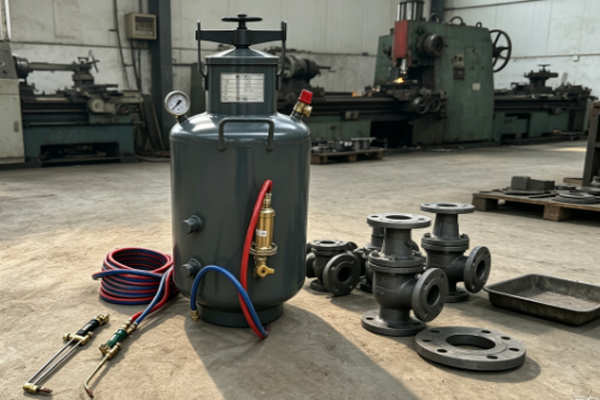
Indoor storage can protect equipment from direct exposure to rain and harsh weather, while making routine inspections and maintenance more convenient. However, acetylene is a flammable gas, so an empty room is not automatically a suitable storage location. Room size, ventilation, fire protection, and nearby work activities must all be checked in advance. A warehouse originally designed for general storage, for instance, should not be converted into an acetylene storage area if its ventilation and fire safety conditions are unsuitable.
- Proper ventilation: Avoid enclosed spaces.
- Keep away from ignition sources: Stay clear of welding sparks and heat.
- Easy access for inspection: Keep valves and gauges unobstructed.
- Check the room conditions: Review fire protection, exits, and electrical installations.
If factory space is limited, also consider equipment access, pipeline connections, and future maintenance. Do not squeeze a tank into a narrow corner just to save floor space. Qualified professionals should review the equipment type, building conditions, and applicable local regulations before confirming whether indoor storage is suitable.
What Should You Consider When Storing Acetylene Tanks Outdoors?
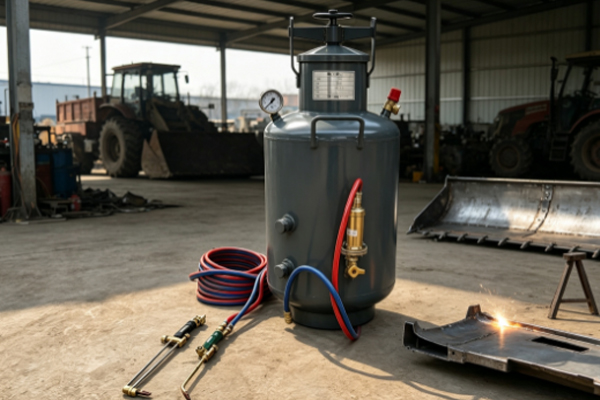
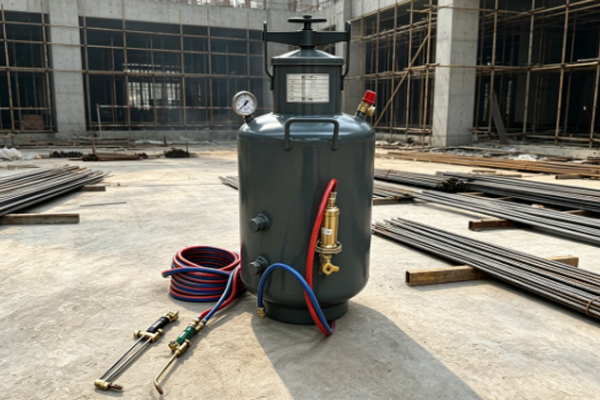
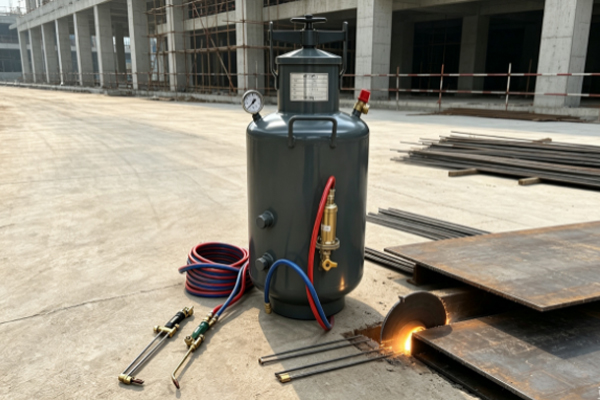
Outdoor placement often makes equipment delivery and access easier while keeping valuable production space inside the workshop free. However, equipment exposed to changing weather conditions needs suitable foundations, drainage, protection from heat, and safeguards against impact. This is especially important at construction sites and large processing facilities, where forklifts, trucks, and other machinery may operate nearby. Without proper location planning, routine maintenance can become difficult and the risk of accidental collisions may increase.
- Stable foundation: The ground must meet design load requirements.
- Good drainage: Prevent standing water around the equipment.
- Heat protection: Provide suitable shading as required.
- Impact protection: Install safeguards where vehicles frequently pass.
- Maintenance access: Keep the equipment clear of walls and stored materials.
Local weather conditions also matter. Sites exposed to typhoons, heavy rain, or salt spray should have their equipment anchoring, corrosion protection, and weatherproofing requirements reviewed in advance. Shade structures and fences must not obstruct ventilation, fire access routes, or equipment operation. Simply building an enclosed shelter is not an appropriate solution. The earlier site conditions are confirmed, the less likely the project is to require costly adjustments later.
Is Indoor or Outdoor Acetylene Tank Storage Better?
Indoor placement usually makes routine inspections easier and reduces direct exposure to sunlight and rain. However, it takes up workshop space and requires careful review of ventilation, fire protection, and building conditions. Outdoor placement can free up production space and simplify equipment access, but drainage, weather exposure, impact protection, and equipment safeguards must be addressed. Factories with continuous gas demand should also consider the distance between the tank or generator and the points of use, pipeline routing, and maintenance access. If the workshop has sufficient space and meets ventilation and fire safety requirements, indoor placement may be worth evaluating. If production space is limited and the outdoor area is suitable, an outdoor arrangement may be more practical. There is no single storage method that suits every site. The final decision should be based on the equipment type, manufacturer’s technical documentation, site assessment, and applicable local safety regulations.
How Should You Choose Equipment and a Storage Location Before Acetylene Tank Installation?
Before comparing equipment options, assess the site’s actual gas consumption and then decide whether indoor or outdoor placement is more suitable. Different projects have different purchasing priorities, and short-term jobs may need a different gas supply solution from facilities with continuous production. In addition to equipment specifications, consider how easily acetylene can be refilled locally, daily gas consumption, and whether the site has enough suitable space for installation.
- Short-term or occasional use: Traditional acetylene cylinders are often more convenient when a filling station is nearby.
- Long-term, high-volume use: A mobile acetylene generator may reduce repeated refilling and empty-cylinder transportation.
- Remote overseas projects: On-site gas generation is worth considering when local filling stations are unavailable.
- Prepare before purchasing: Provide gas consumption, site photos, available space, and delivery details.
A mobile acetylene generator produces gas on-site through a controlled reaction between calcium carbide and water. It may suit projects that require continuous gas supply and have limited access to refilling services. However, the initial equipment investment, carbide supply, maintenance, and operating requirements must all be included in the cost calculation. For short-term projects with occasional gas use and convenient access to filling stations, traditional acetylene cylinders may be more economical. Comparing the long-term costs of both options is more useful than looking at the equipment purchase price alone.
Whether to store an acetylene tank indoors or outdoors depends on the actual site conditions, not simply on convenience or available space. For projects with continuous gas demand and no nearby filling station, a mobile acetylene generator may also be worth considering. Traditional cylinders may be more suitable for short-term jobs with occasional use and convenient refilling. We offer acetylene equipment and can discuss suitable configurations, storage conditions, and quotations based on your project requirements. Share your gas consumption, site details, order quantity, and destination port to review a suitable acetylene tank installation plan and reduce adjustments after delivery.