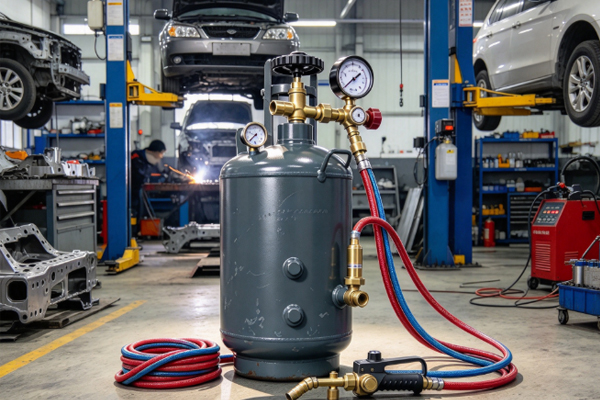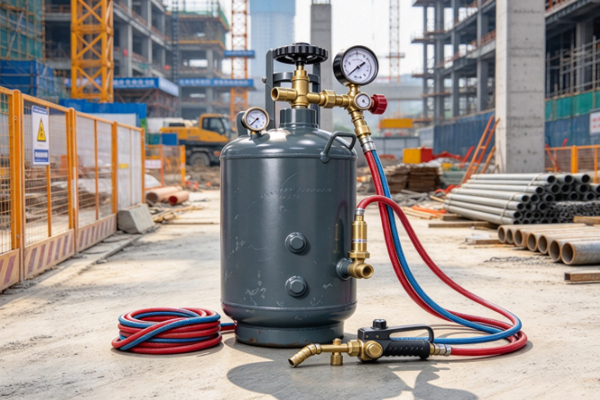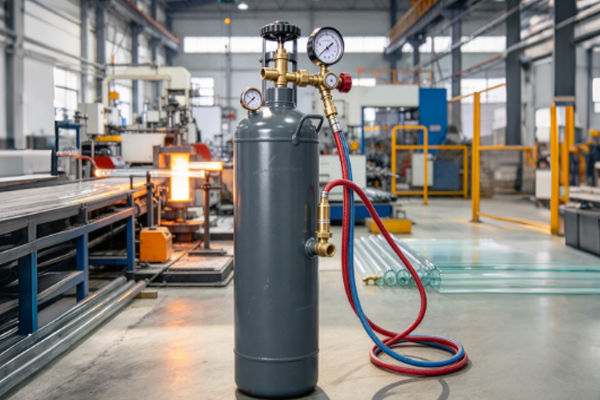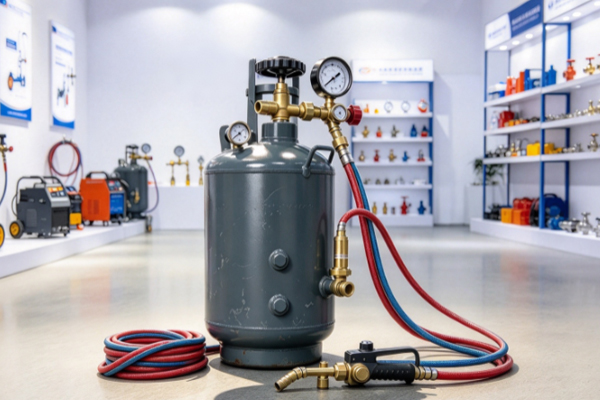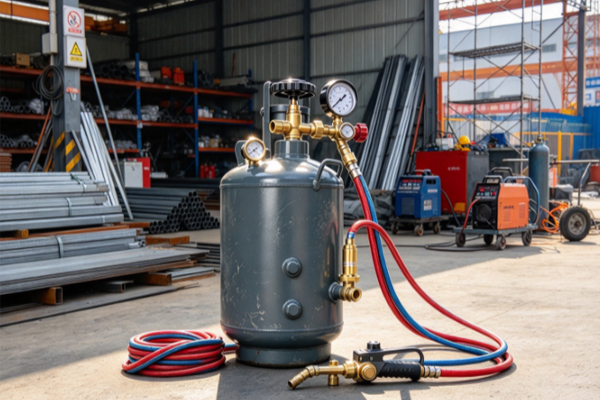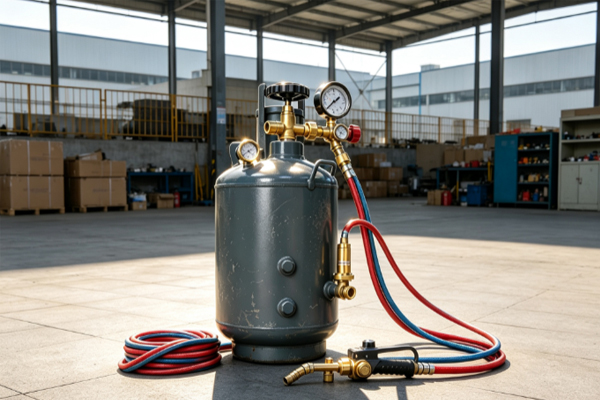
An acetylene tank may look like only a basic piece of equipment in a gas supply system, yet once it enters a factory setting, whether the selection is accurate will directly affect welding and cutting efficiency, gas supply stability, and on-site safety management. Many companies focus more on price, delivery speed, or appearance when purchasing, while overlooking key factors such as capacity, pressure, interface specifications, and actual operating conditions. As a result, abnormal issues often appear after the equipment is installed. The impact of a selection mistake usually does not show up immediately; it gradually intensifies during continuous production. By the time shutdowns, rework, or increased gas consumption occur, the losses have already taken shape.
Incorrect Acetylene Tank Selection Affects Equipment Performance
When the selection is unsuitable, problems often appear first in the operating condition of the equipment, and these abnormalities usually become more pronounced during daily work.
Gas Supply Pressure Mismatch
Acetylene systems have high pressure requirements. An unsuitable model can make the gas supply unstable, which in turn affects the continuity of the entire operation process.
- Equipment with insufficient capacity is prone to gas shortage after running continuously for a period of time, forcing operators to adjust frequently.
- When the pressure rating is unsuitable, the flame condition will fluctuate noticeably, and welding and cutting results will deteriorate accordingly.
- As pressure adjustments increase, the on-site operating rhythm is disrupted, and the originally stable production flow becomes harder to control.
Unstable pressure directly affects the continuity of welding and cutting, and also significantly reduces the user experience of the equipment.
Equipment Load Exceeds the Design Range
Incorrect selection can cause the acetylene tank to remain in an unsuitable working state for a long time, increasing the operating stress on the equipment itself. When a small-specification unit is forced to handle a heavy load, long-term operation can easily lead to fatigue, and the probability of future failures will also be higher; when a large-specification unit is used in a low-demand scenario, resource utilization is low, and the procurement investment does not easily match the actual return; when the equipment does not match the process requirements, overall operating efficiency declines, and on-site management becomes more passive. Long-term overload operation not only affects stability, but also makes subsequent maintenance more frequent.
Incorrect Acetylene Tank Selection Creates Cost Pressure for Factories
Losses caused by poor operation are often directly reflected in enterprise costs, and this cost is not limited to the procurement stage.
Increased Maintenance Costs
Equipment with an unsuitable model is more difficult to maintain later, and many problems that could have been avoided will turn into additional expenses.
- As replacement parts need to be changed more frequently, the company must invest more in spare parts, and daily inventory pressure will also increase.
- As inspection and repair frequency rises, equipment downtime becomes longer, and maintenance arrangements will also affect the normal production rhythm.
- As maintenance personnel spend more time on repairs, labor costs and management costs will rise at the same time.
What looks like a saved procurement budget may actually lead to continuously rising operating costs, which becomes a poor trade-off over time.
Expanded Production Losses
An unreasonable acetylene tank selection will increase hidden losses during production, and these losses are often harder to detect immediately.
- Unstable flames cause fluctuations in welding quality, and as rework increases, both labor and time are repeatedly consumed.
- When cutting quality declines, material edge waste increases, and raw material utilization is also affected.
- When equipment shutdown checks occur frequently, the production rhythm is interrupted, and order delivery efficiency is also affected.
Once these losses accumulate, they will significantly raise the factory’s overall operating costs and reduce profit margins.
Incorrect Acetylene Tank Selection Also Brings Safety Risks
In addition to cost issues, safety risks cannot be ignored, especially in scenarios involving acetylene, where system matching requirements are relatively strict.
Safety Accessories Cannot Perform Properly
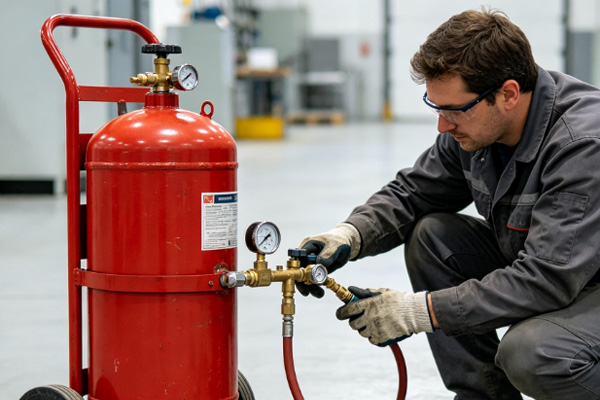
Safety accessories in an acetylene system must match the equipment specifications. Only with proper configuration can they truly provide protection. If the flashback arrestor is not selected appropriately, its protective capability will decline and on-site risk control will weaken; if the pressure regulator does not match the tank, adjustment precision will be insufficient and the gas supply condition will fluctuate easily; if the pressure gauge reading is unstable, operators will find it difficult to accurately judge the equipment status, making on-site management more difficult. Once safety accessories lose their intended function, the system’s risk control capability will drop significantly.
Increased Difficulty in On-Site Management
When equipment selection is unreasonable, factory management becomes more complicated, and many processes that could have been standardized become fragmented.
- When equipment layout is poor, inspection routes become longer and daily checks become less efficient.
- When pipeline connections are messy, troubleshooting takes longer and fault localization becomes more difficult.
- When operators must repeatedly adapt to different operating conditions, the probability of misoperation also rises.
As management difficulty increases, safety hazards are more likely to be overlooked, and long-term operational risks continue to accumulate.
Incorrect Acetylene Tank Selection Can Be Reduced Through Standardized Methods
Taking one extra step during the selection stage can save a lot of trouble later, and help the company enter stable production more quickly.
Determine Specifications Based on Actual Operating Conditions
Selection should not be based on price alone. It must also reflect usage needs. Only by matching operating conditions with equipment parameters can later operation remain stable.
- Determine capacity according to welding and cutting frequency to avoid mismatches caused by equipment that is too small or too large.
- Choose the appropriate configuration based on workshop scale so that gas supply capacity matches the production rhythm.
- Match equipment parameters with pressure requirements to reduce the trouble caused by frequent later adjustments.
The more accurately the operating conditions are matched, the more stable the later operation will be, and the easier it will be to realize the value of the equipment.
Pay Attention to Compatibility of Supporting Systems
An acetylene tank is not used alone. Whether the supporting system is compatible directly affects overall operating performance.
- Check whether the interfaces are standardized to reduce adaptation problems during installation.
- Confirm whether the accessories are compatible to avoid connection issues or functional mismatches.
- Evaluate whether the piping meets gas transmission requirements so that the entire gas supply chain remains smooth.
The better the system compatibility, the higher the overall efficiency, and the easier later maintenance becomes.
Choose Professional Solution Support
A professional team can help companies reduce trial-and-error costs and make selection more aligned with actual production needs.
- Provide selection recommendations better suited to the site so that the equipment configuration matches operating characteristics more closely.
- Assist with installation and commissioning to reduce deviations caused by lack of experience.
- Lower later rework and maintenance pressure so the equipment can enter stable operation more quickly.
When standardized installation is combined with continuous management, the acetylene system can maintain stable operation over the long term.
Incorrect acetylene tank selection often leads from unstable gas supply, increased gas consumption, and frequent maintenance to reduced production efficiency and rising safety risks. If a factory matches capacity, pressure, interfaces, and operating conditions correctly during the procurement stage, the equipment can truly perform its role, reduce hidden costs, and improve long-term returns. Zhongcheng Gas Tank provides professional acetylene tank and industrial gas supply solutions to help companies choose the right equipment and keep it running stably.