Have an acetylene tank in your workshop but aren’t sure what size it is or how much gas it holds? This may seem like a simple question, but it can easily cause confusion when purchasing a replacement or choosing new equipment. Some people estimate tank size by its height, while others look at the numbers stamped on the cylinder. However, these details do not always indicate the actual acetylene capacity. Different countries also use different measurement units, such as cubic feet (CF), liters (L), and cubic meters (m³). To identify your acetylene tank size accurately, check its markings, capacity information, and model number instead of relying on its appearance.
How Can You Identify Your Acetylene Tank Size?
The easiest way to identify an acetylene tank is to check the markings on its body. Manufacturers usually place important specifications on the shoulder, cylinder body, or product nameplate. These details are more reliable than judging the tank by its appearance.
- Check the capacity marking: Look for water capacity, gas capacity, or volume information.
- Find the model number: The model usually corresponds to a specific tank size and helps identify the product.
- Read the nameplate: It may contain rated capacity, manufacturing details, and applicable standards.
- Measure the tank: Record its height and diameter to help narrow down the possible model.
If the markings have become worn or difficult to read, do not estimate the capacity based on appearance alone. Take clear photos of the cylinder markings and nameplate, then ask the manufacturer or a qualified professional to confirm the specifications.
What Do 40L, CF, and m³ Mean on an Acetylene Tank?
When purchasing an acetylene tank, you may come across different capacity units. A 40L marking usually refers to the cylinder’s water capacity, not 40 liters of usable acetylene gas. CF stands for cubic feet, while m³ means cubic meters. Whether these units refer to the cylinder volume or the amount of gas depends on the product specifications.
Common specifications include:
- Water capacity: The internal volume of the cylinder, usually measured in liters (L).
- Acetylene gas capacity: The amount of acetylene gas the cylinder can supply under specified conditions.
- Tank dimensions: External measurements such as height and diameter.
- Working pressure: The pressure range specified for the product.
One important detail is easy to overlook: traditional acetylene cylinders contain porous material and a solvent. Acetylene is stored in a dissolved state rather than simply filling an empty tank like an ordinary compressed gas. This means you cannot calculate the actual acetylene capacity directly from the tank’s height and diameter. Always refer to the manufacturer’s technical specifications for accurate information.
What Size Acetylene Tank Do You Need for Welding and Cutting?
An acetylene tank does not have to be as large as possible. What matters is whether it can meet your daily gas requirements. A small tank may be sufficient for occasional metal repairs or simple welding jobs. However, factories handling batch production, continuous cutting, or several workstations at once may need a higher gas supply capacity.
Before choosing a tank, consider these practical factors:
- Daily operating hours: Using gas for one or two hours a day is very different from running equipment for eight hours continuously.
- Equipment type: Different welding torches and cutting torches consume different amounts of acetylene.
- Number of workstations: If several operators work at the same time, calculate their combined gas consumption.
- Refilling convenience: Replacing traditional cylinders is easier when a filling station is nearby.
If work frequently stops because the acetylene tank needs replacing, the current gas supply setup may not be suitable. Estimate daily consumption before selecting a tank size. This helps avoid unnecessary purchases, transportation costs, and interruptions during production.
Is a Large Acetylene Tank or a Mobile Acetylene Generator Better?
If your current acetylene tank cannot meet your gas requirements, upgrading to a larger cylinder is one option. However, local gas supply conditions also matter. For short-term projects with relatively low consumption, especially when a filling station is nearby, traditional acetylene cylinders are often more economical. They do not require an additional gas-generating machine or the maintenance that comes with operating one.
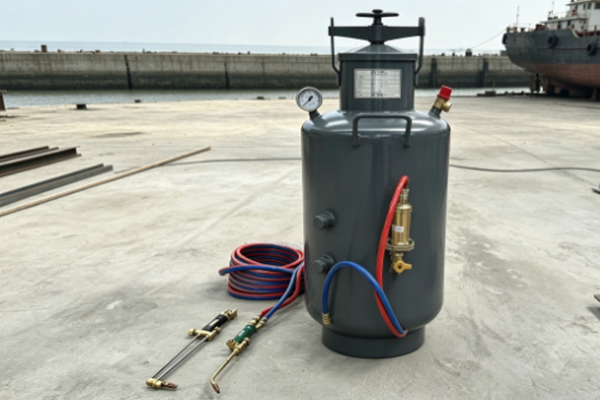
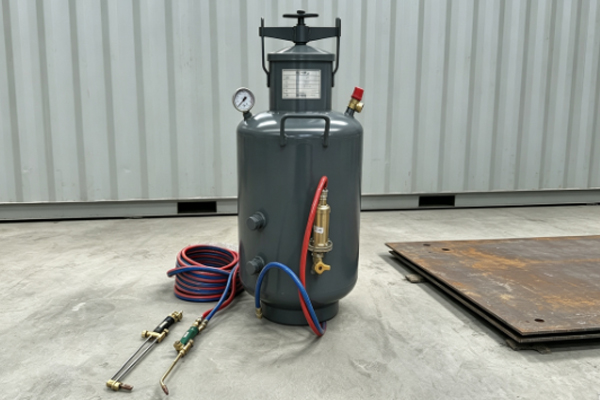
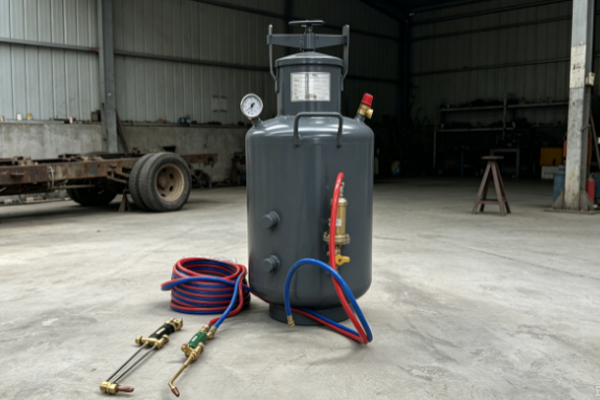
For factories with long-term, continuous, and high-volume gas demand, a mobile acetylene generator may be a better option. This is particularly useful for remote construction sites and overseas projects where acetylene filling stations are unavailable. The equipment produces acetylene on-site through a chemical reaction between calcium carbide and water. It uses a water-displacement control system: when gas pressure rises, water moves into a separate storage tank and the reaction stops. As acetylene is consumed and pressure drops, water returns to the reaction area and gas production resumes. Under suitable operating conditions, the overall long-term cost may be reduced by approximately 40%–60%. Actual savings depend on equipment investment, calcium carbide prices, and maintenance expenses.
To identify your acetylene tank size correctly, do not rely on its external appearance alone. Check the water capacity, actual gas capacity, and daily operating requirements. We offer acetylene tanks in different specifications as well as mobile acetylene generators for welding, cutting, and industrial gas applications. If you are unsure which option suits your operation, share your application, estimated gas consumption, order quantity, and destination port. We can recommend suitable equipment and provide a quotation.