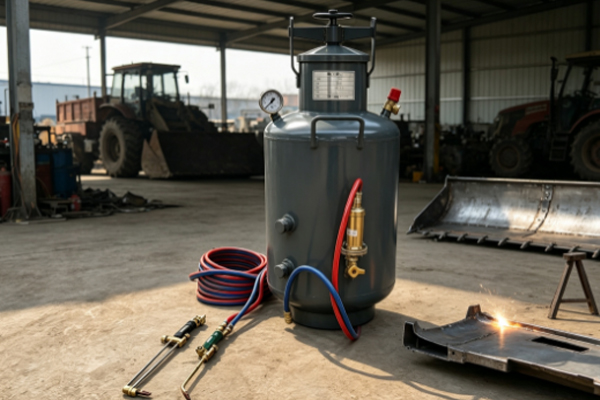
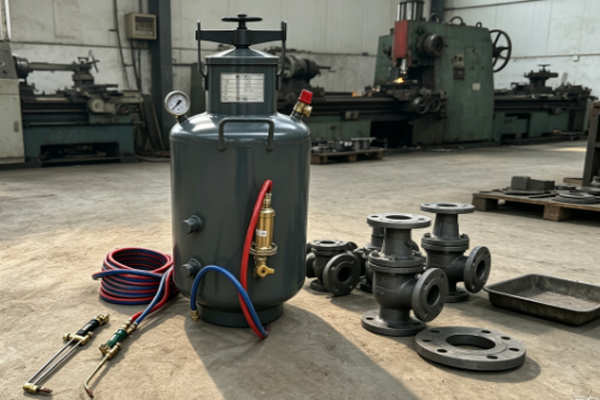
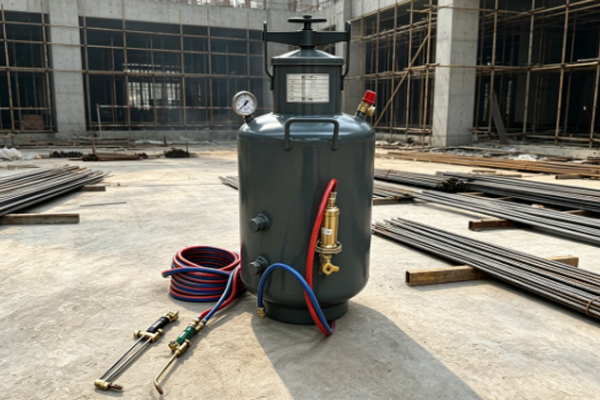
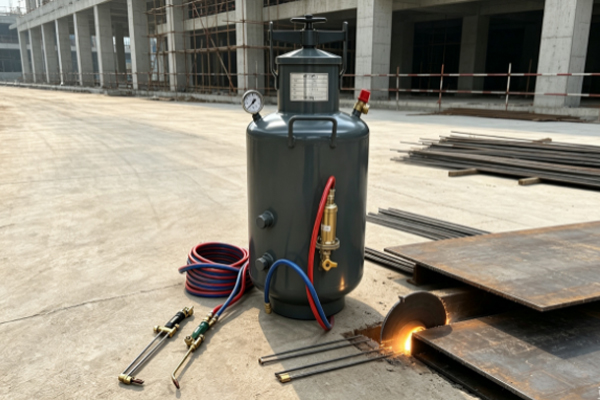
Running out of acetylene halfway through a welding or cutting job can bring production to a halt. Refilling too early, however, may increase transportation and filling costs. So, when should you refill an acetylene tank? You should not rely only on the pressure gauge or wait until the flame becomes noticeably weaker. For factories and construction sites that use acetylene every day, keeping track of the remaining gas and planning refills in advance can help prevent unexpected downtime. Proper acetylene tank use also depends on the availability of local refilling services, delivery time, and the project’s daily gas consumption.
When Should You Refill an Acetylene Tank? Signs to Watch For
The right time to refill an acetylene tank depends on the actual amount of gas remaining and your upcoming workload. A pressure gauge can provide useful information about operating conditions, but its reading cannot directly indicate the exact weight or volume of acetylene left. Dissolved acetylene tanks have a different internal structure from ordinary compressed gas tanks, so other gases’ measurement methods should not be applied without verification.
- Remaining gas is close to the next job’s demand: Arrange a refill before the available supply becomes insufficient.
- Long operating hours: Estimate daily gas consumption when welding and cutting work is continuous.
- Long delivery distances: Remote job sites should arrange refills early rather than waiting until the tank is nearly empty.
- Unusual gas supply conditions: Stop the relevant work and have the equipment checked instead of assuming the tank is empty.
A practical approach is to record the operating hours and actual workload after each refill. After keeping these records for a while, you can identify typical consumption patterns and plan future refills more accurately.
What Are the Signs That an Acetylene Tank Is Running Low?
Many operators only think about checking the gas supply when the welding flame becomes weaker. By then, the problem may already be affecting the work. However, flame changes can also result from a faulty pressure regulator, pipeline, or torch. One symptom alone is not enough to confirm that the tank is empty. If the gas supply becomes abnormal, stop operating the equipment and have qualified personnel inspect the tank and connected system.
- Flame changes: A weaker or unstable flame may indicate a gas supply or equipment problem.
- Shorter operating time: The tank runs out sooner than usual under similar working conditions.
- Unusual pressure readings: Gauge readings differ noticeably from normal operating conditions and need checking.
Do not knock on the tank, adjust valves randomly, or dismantle components to estimate the remaining gas. If a leak is suspected, stay away from ignition sources and follow the site’s emergency procedures. Remaining gas should be checked using a suitable professional measurement or inspection method.
What Should You Prepare Before Refilling an Acetylene Tank?
Refilling involves more than simply contacting a gas filling station. Before arranging a refill, confirm that the tank is suitable for filling, its inspection status is valid, and its valves and accessories are in proper condition. This is particularly important for tanks that have been in service for a long time. If the equipment is damaged, overdue for inspection, or showing abnormal conditions, do not send it for filling just to meet a production deadline. Refill arrangements should also match the work schedule so that a full tank can be delivered when the site has a suitable storage location available.
What Is the Best Long-Term Gas Supply Option When No Acetylene Refilling Station Is Nearby?
If a refilling station is close to the factory and gas consumption is low or occasional, conventional acetylene tanks are usually convenient. They also avoid the investment required for a complete on-site gas generation system. However, remote construction projects, long-term infrastructure work, and operations with high daily gas consumption may face significant logistics costs from repeatedly transporting empty and full tanks. In these situations, a mobile acetylene generator may be worth considering. It produces acetylene on-site through a chemical reaction between calcium carbide and water, reducing dependence on external refilling stations. Actual savings depend on local calcium carbide availability, equipment investment, transportation distance, maintenance, and gas consumption. Cost reductions should not be treated as guaranteed.
We supply industrial acetylene tanks and can discuss specifications, configurations, and product documentation based on your requirements. If your project has high gas consumption or a long distance to the nearest refilling station, you can also ask about our mobile acetylene generator options. Conventional tanks are generally more suitable for short-term projects with occasional gas consumption and convenient access to refilling services, while on-site gas generation may be worth comparing for continuous, long-term use. Tell us about your application, estimated gas consumption, order quantity, and delivery location, and we can provide suitable equipment specifications and a quotation.
You do not need to wait until an acetylene tank is completely empty before arranging a refill. Tracking gas consumption, monitoring equipment conditions, and allowing enough time for transportation and filling can help prevent work interruptions. Remember that a pressure gauge reading does not directly indicate the remaining gas quantity. Before refilling, also confirm the tank’s inspection status and filling eligibility. If you are purchasing acetylene tanks or reviewing your long-term gas supply plan, share your project requirements with us so we can help identify suitable specifications and configurations.