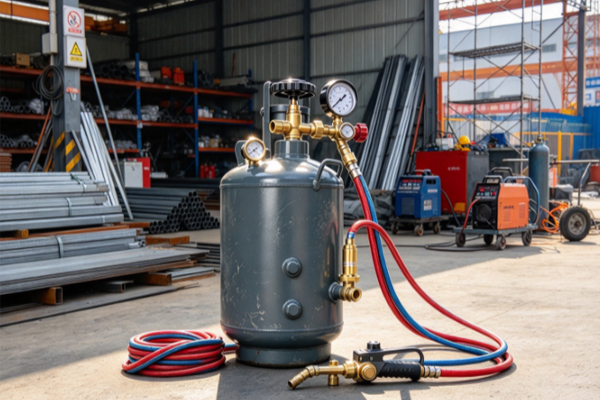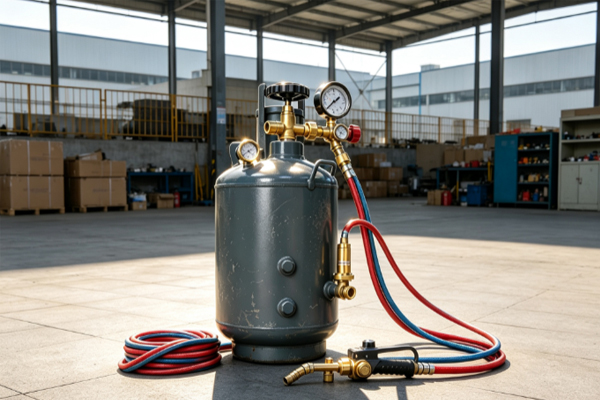
Acetylene cylinders are commonly used in welding, cutting, and metal fabrication processes. Unlike ordinary compressed gas cylinders, acetylene cylinders have a special internal storage structure. Some operators may believe that turning the cylinder upside down can improve gas release speed, but this practice does not meet safe operating requirements. Acetylene cylinders contain acetone and porous filler materials, and inverting the cylinder changes the gas release condition. Liquid acetone may enter the gas supply system, causing unstable flames, equipment damage, or safety hazards. Understanding why acetylene cylinders must remain upright and following correct operating procedures are essential for stable equipment performance and longer service life.
Why Acetylene Cylinders Cannot Be Used Upside Down: Working Principle
Acetylene cylinders use dissolved acetylene storage technology. The cylinder is filled with porous material, and acetylene gas is absorbed into acetone to maintain a stable storage condition. When the cylinder remains upright, acetylene gas is released from the upper gas space and passes through the valve, pressure regulator, and hose system before reaching the welding torch. This design ensures that mainly gaseous acetylene enters the combustion system, allowing a stable flame.
When an acetylene cylinder is turned upside down, gravity causes acetone inside the cylinder to move toward the valve outlet. The liquid acetone may flow into the pressure regulator, hose, and torch together with the acetylene gas. Since liquid acetone is not suitable for direct entry into the combustion system, it may cause unstable pressure regulation, irregular flames, color changes, or flame interruption. Liquid entering internal components can also affect seals and accelerate equipment wear. Keeping the cylinder upright is an essential requirement based on its internal structure and operating design.
The Importance of Preventing Acetylene Cylinders from Being Used Upside Down
Preventing the incorrect use of inverted acetylene cylinders helps maintain stable gas output and avoids liquid acetone entering the gas supply system. This improves flame control during welding and cutting operations and supports better processing quality in industrial applications.
Correct cylinder positioning also protects pressure regulators, gauges, hoses, and welding torches. If liquid enters these precision components, it may cause internal blockage, inaccurate pressure readings, or reduced adjustment performance. Maintaining the correct cylinder position reduces maintenance requirements, improves system efficiency, and supports safer long-term operation. Proper handling habits also help reduce workplace risks and provide more reliable support for continuous production.
Problems Caused by Using Acetylene Cylinders Upside Down
The internal structure of an acetylene cylinder determines that it must be operated in an upright position. Inverting the cylinder affects gas delivery performance and may create additional safety concerns.
Common problems include:
- Liquid acetone entering the gas supply system:Acetone is used to dissolve acetylene inside the cylinder. When the cylinder is inverted, acetone may flow into the regulator and torch system, affecting normal operation.
- Unstable flame performance:Liquid contamination can change the gas mixture ratio, causing flame fluctuations, flashback, or abnormal combustion.
- Reduced pressure regulator performance:Pressure regulators are designed for gas control, and liquid entering the regulator may reduce adjustment accuracy.
- Higher risk of accessory damage:Hoses, seals, and connection components may experience accelerated aging when exposed to abnormal substances.
- Lower workplace safety:Unstable gas supply can affect welding and cutting processes and increase operational risks.
Keeping acetylene cylinders upright prevents these problems and allows the equipment to operate in a safer and more stable condition.
Proper Acetylene Cylinder Use in Different Applications
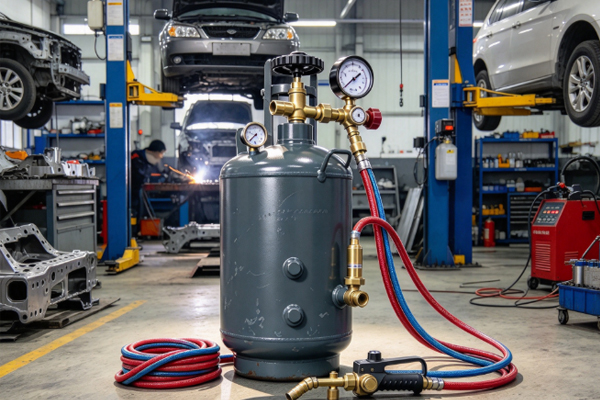
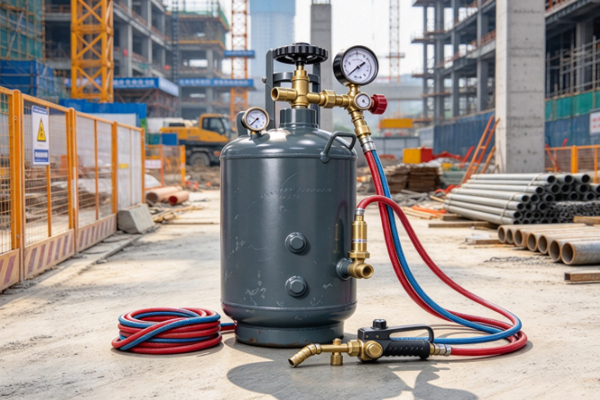
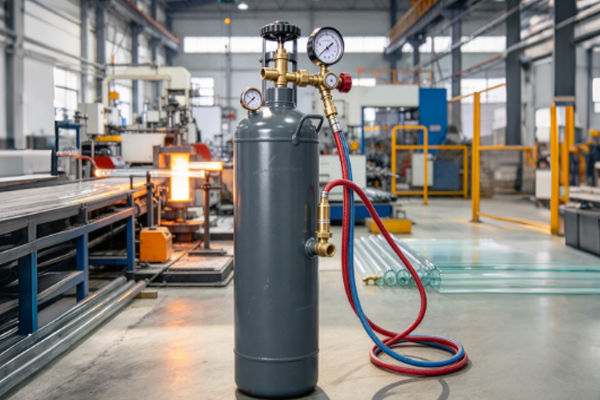
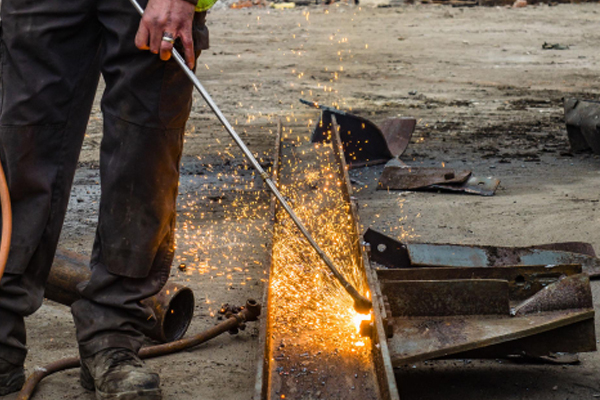
Acetylene cylinders are widely used in automotive repair, steel fabrication, shipbuilding, construction projects, and mechanical equipment maintenance. In automotive repair environments, stable gas output is important because working spaces are often limited and flame control directly affects repair quality. In steel fabrication workshops, welding and cutting operations may continue for long periods, and correct cylinder placement helps prevent equipment problems during continuous use. At construction sites, changing ground conditions and outdoor environments make it especially important to secure cylinders in an upright position.
Shipbuilding and heavy machinery manufacturing often involve intensive production processes that require highly stable gas systems. Proper acetylene cylinder operation not only improves flame quality but also reduces production interruptions caused by equipment issues.
Correct Acetylene Cylinder Placement and Operating Procedures
Safe acetylene cylinder use requires more than avoiding upside-down placement. Proper handling during transportation, storage, and connection is also necessary. Correct management improves equipment reliability and reduces risks during daily operation.
Recommended practices include:
- Keep the cylinder upright and secured:Always maintain the acetylene cylinder in a vertical position and use suitable supports to prevent tipping.
- Avoid strong impacts during transportation:Handle cylinders carefully to prevent damage to the valve and cylinder structure.
- Keep away from heat sources and open flames:Store cylinders in well-ventilated areas and avoid prolonged exposure to high temperatures.
- Inspect valves and accessories before use:Check regulators, hoses, and fittings to ensure they are in good condition and free from leaks.
- Follow proper shutdown procedures:Close the valve after operation, release pressure from the hose system, and store the equipment correctly.
By maintaining proper cylinder positioning and following standardized operating procedures, acetylene cylinders can provide stable and reliable gas supply for welding, cutting, and industrial fabrication applications while improving overall safety.