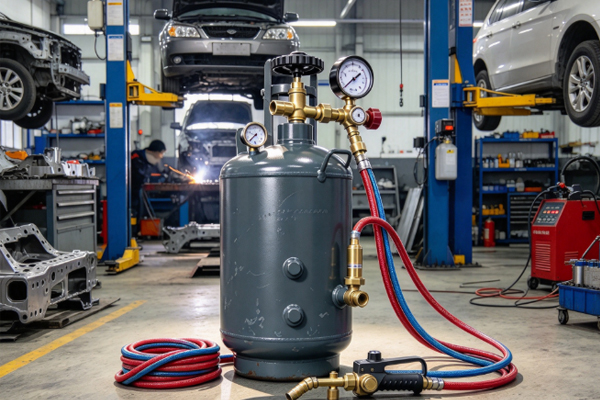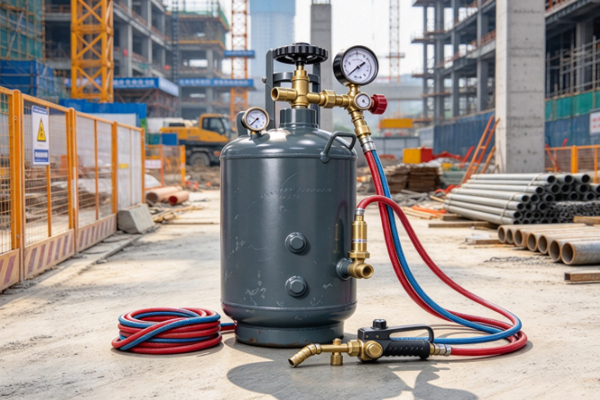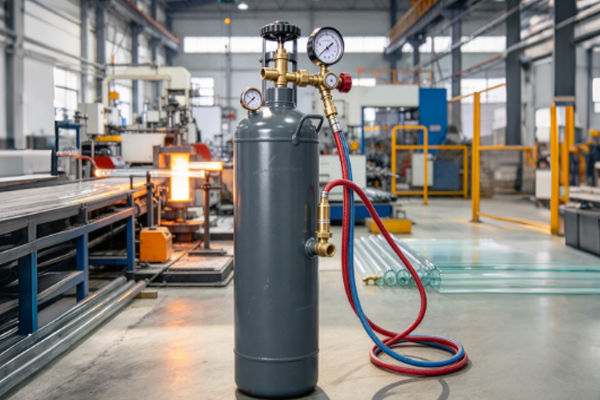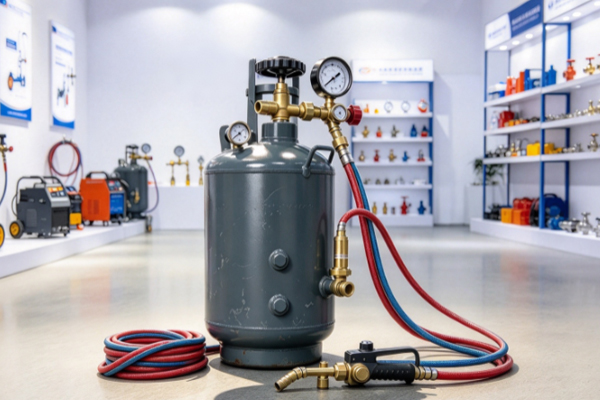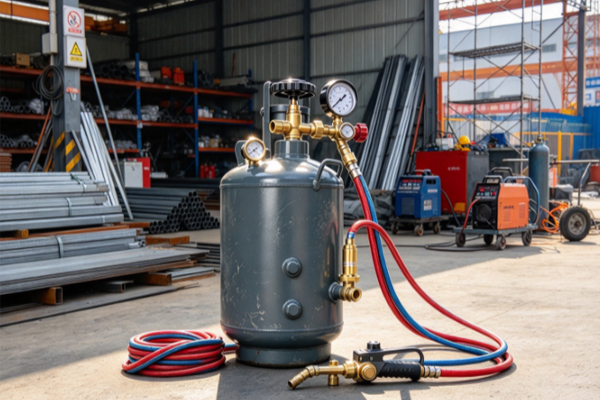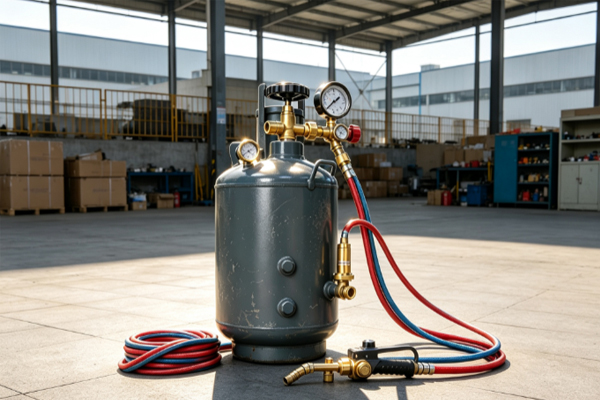
Acetylene cylinders are commonly used in industrial welding, cutting, and metal processing applications. During long-term use, cylinders may be affected by pressure changes, environmental conditions, and equipment aging. Regular inspection helps evaluate the overall condition of acetylene cylinders, identify potential problems, and ensure stable performance during continued operation.
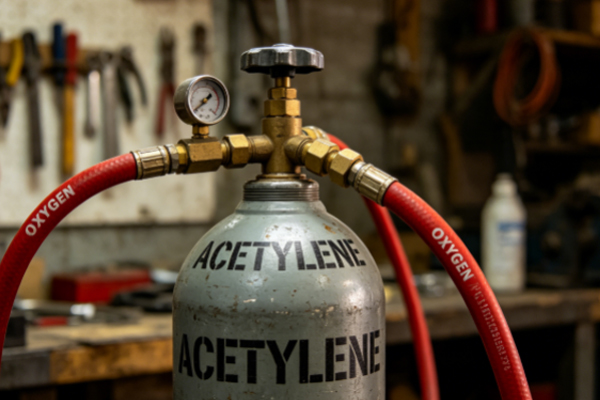
Since acetylene is a flammable gas, the storage container requires reliable sealing performance, pressure resistance, and properly functioning accessories. Without regular inspection and maintenance, gas storage and supply performance may be affected. Professional testing can confirm whether the cylinder body, valve components, and safety conditions meet usage requirements, improving equipment reliability.
Whether used in factories, construction sites, or maintenance operations, acetylene cylinder inspection is an important part of equipment management and helps maintain safe and efficient gas supply.
What Is the Importance of Acetylene Cylinder Inspection?
Acetylene cylinder inspection is mainly used to confirm whether the cylinder remains suitable for continued operation. During long-term service, cylinders must withstand internal gas pressure while being affected by transportation, storage conditions, and usage frequency. Over time, the cylinder body may experience surface corrosion, wear, or other changes, while valves and connection components may experience reduced performance.
Professional inspections allow operators to evaluate the external condition, structural integrity, and accessory performance of acetylene cylinders. These inspections help identify problems that may not be visible during routine checks and prevent cylinders with potential risks from continuing in service.
Acetylene cylinder inspection is not only related to the condition of the cylinder itself but also affects the stability of the entire gas supply system. Reliable cylinder performance ensures more consistent gas output during welding and cutting operations, improving workflow efficiency. Regular inspection also helps companies establish better equipment management procedures and maintain organized cylinder usage.
What Items Are Checked During Acetylene Cylinder Inspection?
Acetylene cylinder inspection usually includes several checks based on cylinder structure and operating conditions. The inspection process evaluates the cylinder body, valve condition, connection components, and overall safety performance to understand the current equipment condition.
The cylinder body inspection focuses on identifying corrosion, dents, cracks, or unusual surface changes. Cylinders used in humid environments or complex industrial areas require closer attention because external conditions may accelerate surface damage.
Valve inspection confirms whether the valve can open and close properly and whether connection areas remain secure. As an important component controlling gas flow, abnormal valve conditions may affect normal gas supply.
Inspectors also check cylinder markings, usage records, and related information to determine whether the equipment meets continued operation requirements. Through systematic inspection procedures, acetylene cylinder management becomes more effective and helps reduce equipment-related problems.
Why Do Acetylene Cylinders Require Regular Safety Inspections?
Regular inspection is an important measure for maintaining stable acetylene cylinder operation. Over time, cylinders are affected by internal pressure and external environmental conditions, which may gradually change their performance. Scheduled inspections help detect problems early and prevent unexpected issues during operation.
Reasons for regular inspection include:
- Confirm pressure resistance of the cylinder body:Acetylene cylinders must withstand gas pressure over long periods. Regular inspections help evaluate whether the cylinder structure remains in good condition and whether performance has declined due to extended use.
- Identify hidden damage problems:Some cracks, corrosion, or structural changes may not be visible through normal observation. Professional inspections help detect potential issues.
- Ensure proper operation of valves and accessories:Valves, pressure regulators, and connection components may wear after repeated use. Inspection confirms whether these parts continue to meet operating requirements.
- Improve equipment reliability:Acetylene cylinders that pass inspection can provide more stable gas supply during practical applications.
- Improve equipment management procedures:Inspection records help companies understand cylinder usage conditions and arrange future maintenance plans effectively.
Regular inspection allows operators to understand acetylene cylinder conditions more accurately. Combining inspection procedures with routine maintenance improves equipment safety and ensures stable long-term performance.
What Problems Can Occur If Acetylene Cylinders Are Not Inspected Regularly?
If acetylene cylinders are used for long periods without inspection, equipment conditions may gradually decline, creating potential problems during operation. Since cylinders store pressurized gas, any factor affecting structural stability requires timely attention.
During extended service, cylinder surfaces may experience corrosion due to environmental exposure. This is especially common in humid, dusty, or chemically active working areas where protective performance may decrease. Valves and connection components may also experience aging, loosening, or reduced sealing performance after repeated operation.
Lack of inspection may prevent operators from accurately understanding the actual condition of equipment. Some early-stage problems may remain unnoticed, affecting future operation efficiency and increasing equipment management difficulties.
Regular inspection provides clear information about cylinder conditions, allowing operators to arrange maintenance, replacement, or continued use according to inspection results. Proper acetylene cylinder management improves equipment utilization and reduces operational interruptions caused by equipment problems.
How to Manage Acetylene Cylinders After Inspection?
After completing inspection, acetylene cylinders still require proper daily management. Good maintenance practices help maintain inspection results and extend equipment service life. Operators should continue monitoring cylinder conditions according to actual usage requirements.
Recommended management methods include:
- Keep inspection records:Store inspection information and equipment records for future reference and cylinder condition tracking.
- Maintain proper storage conditions:Place acetylene cylinders in dry and well-ventilated areas to prevent damage caused by moisture, high temperatures, or corrosive environments.
- Follow proper operating procedures:Use correct methods for connection, valve operation, and shutdown procedures to reduce equipment damage caused by improper handling.
- Monitor equipment changes regularly:Check cylinder bodies, valves, and accessories during daily use and handle abnormal conditions promptly.
- Arrange future inspection schedules properly:Conduct inspections according to required intervals to ensure cylinders remain suitable for continued operation.
Acetylene cylinder inspection is an essential part of equipment safety management. Through regular testing and proper maintenance, cylinder reliability can be improved and equipment failure risks can be reduced. Scientific inspection management combined with correct operating practices allows acetylene cylinders to provide stable support for welding, cutting, and industrial production applications.