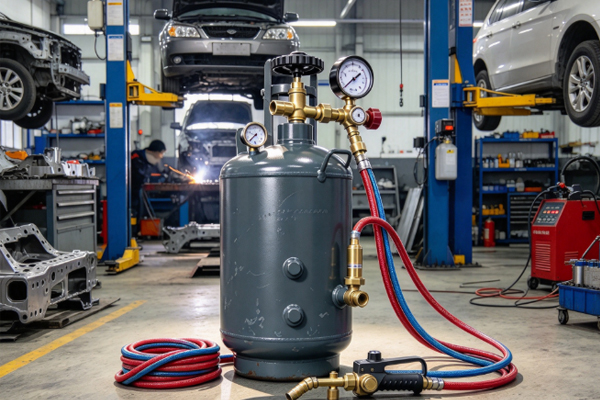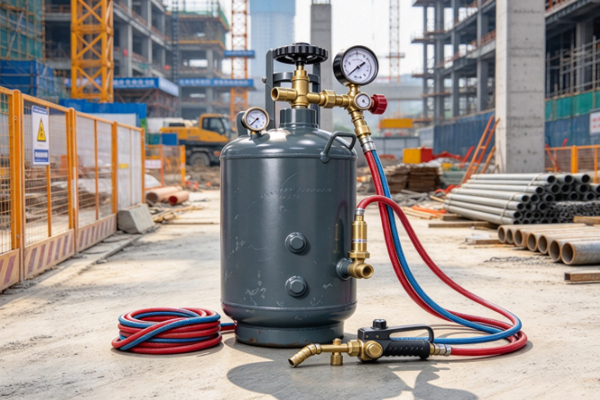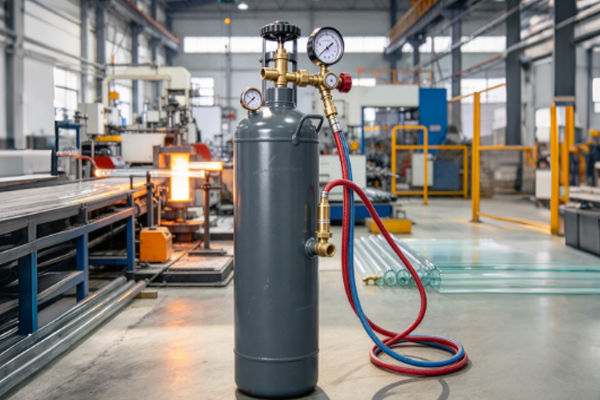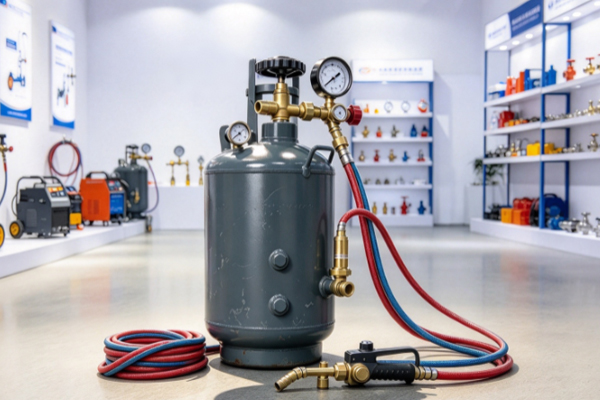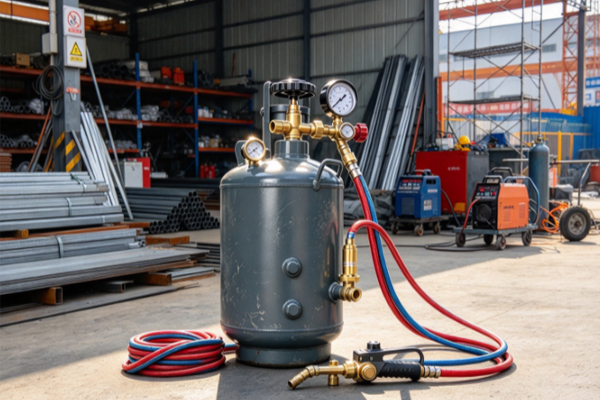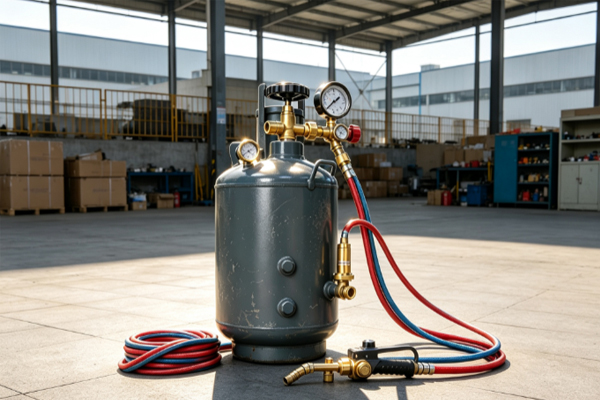
Acetylene cylinders are commonly used in welding, flame cutting, machinery processing, structural steel fabrication, equipment maintenance, and many other industrial applications. Since acetylene is a highly flammable gas, maintaining a safe operating environment is essential during storage and use. Electric welding produces high-temperature arcs, flying sparks, and intense radiant heat. If an acetylene cylinder is positioned too close to the welding area, the cylinder and its accessories may be exposed to excessive heat, increasing the possibility of equipment damage and safety hazards. Proper cylinder placement, adequate separation from welding operations, and effective workplace safety measures help improve operational safety while supporting continuous and stable production.
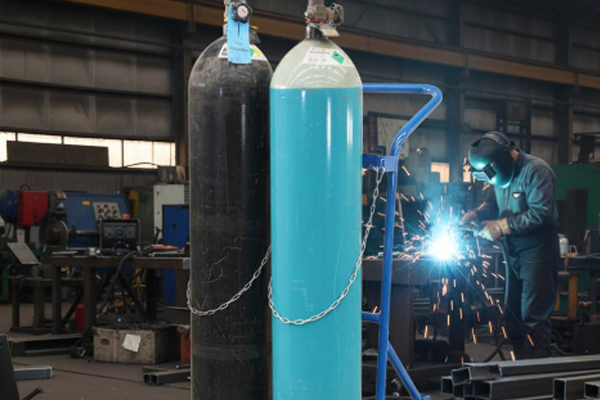
Why Electric Welding Can Affect Acetylene Cylinder Safety
Electric welding continuously generates extremely high temperatures, with welding arcs reaching several thousand degrees Celsius. During the welding process, molten metal particles and sparks can spread into the surrounding work area. If an acetylene cylinder is located too close to the welding operation, the cylinder body, valve, pressure regulator, and hoses may be exposed to heat radiation or hot metal spatter. Continuous heat exposure can accelerate the aging of sealing components, reduce the reliability of connection points, and affect the overall stability of the gas supply system.
In addition to thermal exposure, welding operations may involve falling slag, moving workpieces, or heavy equipment that could accidentally strike the cylinder. Mechanical impact may damage the cylinder or its accessories, reducing sealing performance and increasing the possibility of gas leakage. Maintaining an appropriate safety distance between acetylene cylinders and electric welding activities is an important part of industrial workplace safety management.
Benefits of Keeping Acetylene Cylinders Away from Welding Areas
Placing acetylene cylinders in a safe location reduces the effects of heat, welding arcs, and flying sparks on equipment. This helps maintain the long-term performance of cylinder valves, pressure regulators, hoses, and other gas supply components. A stable gas supply system supports consistent flame performance, improves welding and cutting quality, and minimizes production interruptions caused by equipment problems.
For manufacturing facilities, proper cylinder placement also improves workplace organization and operational efficiency. When cylinders are positioned away from active welding zones, operators have more working space for inspection, transportation, and maintenance. Reduced exposure to heat also decreases accessory wear, lowers maintenance costs, and extends the service life of cylinders and related equipment.
How to Maintain a Safe Distance Between Acetylene Cylinders and Welding Operations
Keeping acetylene cylinders away from electric welding requires more than selecting a suitable location. Effective workplace management and safety procedures help reduce the influence of high temperatures and mechanical hazards on gas cylinders.
The following practices are recommended:
- Choose a safe storage location:Position acetylene cylinders outside the area where welding sparks and molten metal are likely to reach while ensuring adequate ventilation.
- Install fire-resistant barriers when necessary:Protective screens or heat shields can reduce the effects of radiant heat and flying sparks.
- Secure cylinders properly:Use cylinder stands or restraint systems to prevent tipping or accidental movement during nearby construction activities.
- Keep welding cables away from cylinders:Electrical cables and powered equipment should never be wrapped around or placed directly against gas cylinders.
- Inspect workplace arrangements regularly:Before each work shift, confirm that cylinder placement, safety distances, and surrounding conditions continue to meet safety requirements.
Following these procedures helps reduce heat exposure, mechanical damage, and operational risks while improving the overall safety of the workplace.
Safe Separation Practices in Different Working Environments
Different workplaces require different cylinder management strategies. Structural steel fabrication plants usually perform continuous welding operations and should establish dedicated cylinder storage areas with clear safety markings. Automotive repair workshops often have limited space, making fixed cylinder racks and fire-resistant partitions useful for maintaining safe separation between cylinders and welding stations. Construction sites change frequently as projects progress, so cylinder locations should be adjusted whenever welding positions move to maintain appropriate safety distances. Shipbuilding facilities, pressure vessel manufacturers, and heavy machinery factories often use centralized gas supply systems that keep cylinders in designated storage areas while delivering gas through long hoses to workstations. This arrangement improves both safety and operational efficiency.
Establishing Long-Term Safety Management Procedures
Maintaining safe separation between acetylene cylinders and electric welding operations requires continuous management rather than a one-time arrangement. Regular inspections, employee training, and preventive maintenance help reduce workplace risks while improving equipment reliability.
Recommended management practices include:
- Develop cylinder placement guidelines:Establish clear rules for cylinder locations and minimum safety distances in different work areas.
- Conduct routine safety inspections:Check cylinder positions, securing devices, and surrounding conditions on a regular schedule.
- Provide employee safety training:Ensure operators understand the hazards associated with heat, welding arcs, and flying sparks.
- Maintain gas supply equipment:Inspect cylinder valves, pressure regulators, hoses, and flashback arrestors regularly to maintain reliable performance.
- Keep detailed maintenance records:Record inspections, repairs, and corrective actions to improve long-term equipment management and workplace safety.
Through proper cylinder placement, standardized management procedures, and regular inspections, businesses can significantly reduce the impact of electric welding operations on acetylene cylinders while maintaining a safer and more reliable gas supply system for welding, flame cutting, and industrial manufacturing.