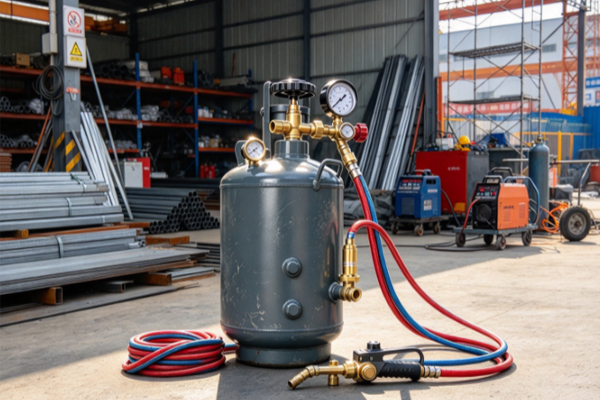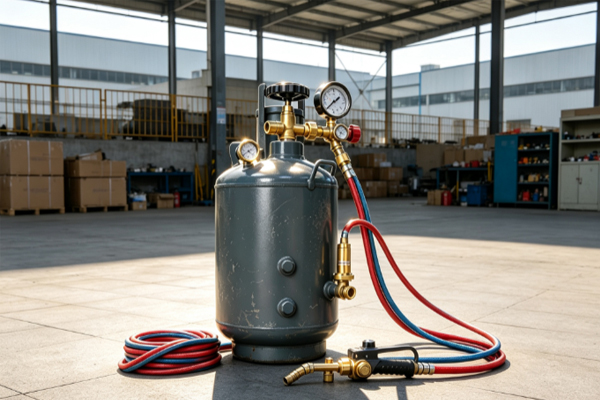
Acetylene cylinders play a vital role in welding, cutting, and industrial manufacturing by providing a stable gas supply. Since acetylene is highly flammable, any gas leak can affect equipment performance and create serious safety hazards. Learning how to identify a leak allows operators to detect problems early, reduce equipment failures, and improve workplace safety. With proper inspection methods and routine maintenance, most leakage issues can be discovered and corrected before they become more serious.
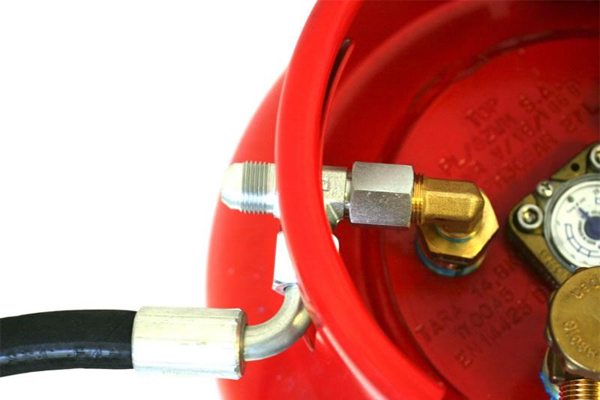
Understanding the Common Causes of Acetylene Cylinder Leaks
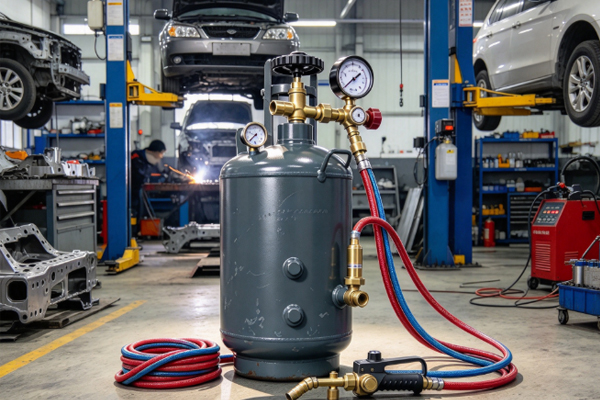
Gas leakage from an acetylene cylinder is usually related to worn sealing components, loose connections, or damage caused by long-term use. Over time, valve seals, regulator fittings, and gas hoses naturally age and lose their sealing ability. If these parts are not inspected or replaced regularly, small gaps may develop, allowing acetylene to escape. Transportation impacts, improper storage, exposure to moisture, or accidental damage to the valve can also reduce sealing performance. Understanding these common causes helps operators focus on the most critical inspection points and reduce the likelihood of unexpected gas leaks.
What Happens When an Acetylene Cylinder Leaks?
A gas leak not only wastes acetylene but can also reduce the stability of the entire gas supply system. As gas escapes, the cylinder pressure may gradually decrease, resulting in unstable welding flames and reduced cutting performance. In poorly ventilated areas, leaking acetylene may accumulate in the air, creating a dangerous environment where even a small ignition source could trigger a fire or explosion. Even minor leaks that continue over time can accelerate wear on equipment and increase maintenance costs. For this reason, routine inspections before and during operation are essential for maintaining safe and reliable performance.
Effective Methods to Detect an Acetylene Cylinder Leak
Detecting an acetylene leak is straightforward when proper inspection methods are followed. Before beginning any leak test, ensure the work area is well ventilated and free from open flames or ignition sources
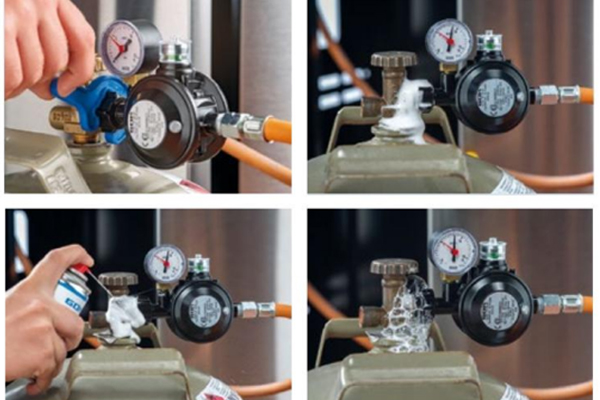
Begin by inspecting the entire gas system carefully and follow each step to identify possible leakage points.
- Use the soap solution test:Apply soapy water to the valve, regulator connections, and hose fittings. Continuous bubble formation indicates a gas leak.
- Observe the pressure gauge:After shutting off gas-consuming equipment, monitor the pressure gauge. A noticeable pressure drop may indicate gas leakage.
- Listen for unusual sounds:In a quiet environment, a continuous hissing sound often points to a leak around the valve or connection points.
- Check for unusual odors:If an abnormal or irritating smell is detected in the work area, stop operation immediately and inspect the equipment.
- Inspect hoses and fittings:Examine sealing rings, hoses, and connectors for cracks, aging, looseness, or other visible damage.
After completing these inspections, any detected leakage should be repaired before the cylinder is returned to service.
Working Environments That Increase the Risk of Gas Leaks
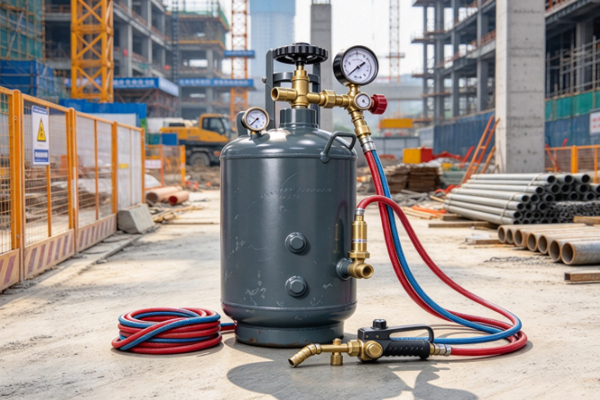
Different working environments can affect the sealing performance of acetylene cylinders. High temperatures accelerate the aging of rubber seals and hoses, while prolonged exposure to sunlight shortens the service life of flexible components. Humid environments may cause corrosion on metal fittings, reducing sealing efficiency. Workshops with excessive dust may allow particles to enter valve mechanisms, preventing proper sealing. Construction sites where cylinders are moved frequently are also more likely to experience loose fittings due to vibration or accidental impacts. Keeping the cylinder clean, performing regular maintenance, and adapting inspection routines to the surrounding environment help minimize leakage risks and maintain reliable operation.
What to Do If an Acetylene Cylinder Is Leaking
If a gas leak is discovered, immediate action should be taken to prevent the situation from becoming more dangerous. Following the correct emergency procedure helps protect personnel, equipment, and the surrounding work area.
Take the following actions as soon as a leak is confirmed:
- Close the cylinder valve immediately:Shut off the gas supply to prevent additional leakage.
- Stop all hot work:Suspend welding, cutting, grinding, or any activity that could generate sparks or flames.
- Improve ventilation:Open doors and windows or activate ventilation equipment to disperse accumulated gas.
- Locate the source of the leak:Repeat the soap solution test to identify the exact leaking connection or component.
- Replace damaged components:Replace worn sealing rings, damaged hoses, or faulty valves before using the cylinder again.
After completing all corrective actions, perform another complete leak inspection to verify stable pressure and proper sealing. Only after confirming that the acetylene cylinder is operating safely should welding, cutting, or other gas-related work resume.