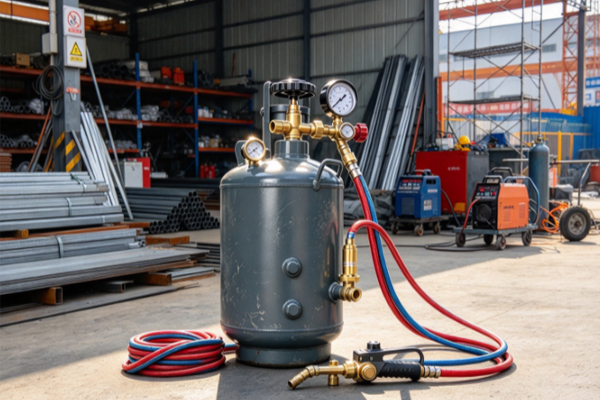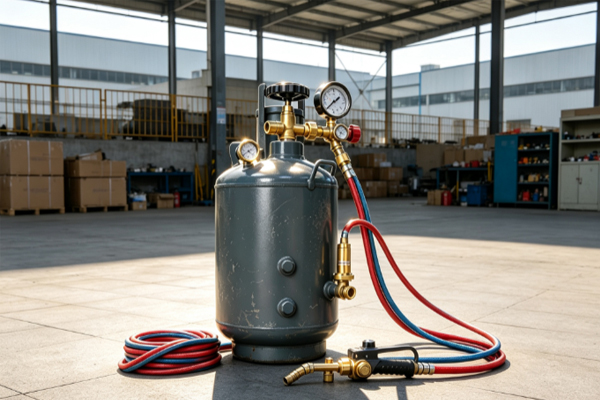
Acetylene cylinders are widely used in welding, metal cutting, machinery manufacturing, and equipment maintenance. The cylinder valve is the key component that controls gas release, and the way it is opened directly affects operational safety. Improper valve operation can lead to unstable flames, gas leaks, flashbacks, or other hazardous situations. Learning the correct valve opening procedure helps improve equipment stability, ensures workplace safety, and extends the service life of both the acetylene cylinder and its related accessories.
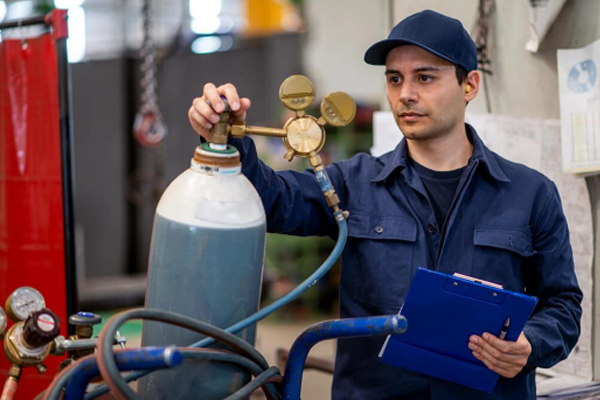
Understand How an Acetylene Cylinder Valve Works
The valve of an acetylene cylinder controls the flow of gas by regulating the passage between the cylinder and the pressure regulator. When the valve is opened slowly, acetylene flows through the valve body into the regulator before being delivered to the welding or cutting equipment at a controlled pressure. If the valve is opened too quickly, a sudden surge of gas may create excessive pressure inside the regulator, causing unstable gas flow and making flame adjustment more difficult. Since the valve continuously operates under pressure, it may also be affected by dust, moisture, or mechanical wear over time. Before opening the valve, always inspect its appearance to ensure there are no cracks, deformation, corrosion, or visible damage, allowing smooth and reliable operation.
Safety Preparations Before Opening the Valve
Before opening the acetylene cylinder valve, the work area should be carefully prepared to meet safety requirements. Because acetylene is highly flammable, the workspace must have adequate ventilation and remain free from open flames, welding sparks, hot surfaces, or other ignition sources. Operators should wear protective gloves, safety glasses, and appropriate personal protective equipment. The pressure regulator must be securely installed, while gas hoses should be inspected for cracks, aging, or loose connections. It is also important to verify that the pressure gauge is functioning normally and that the valve area is clean and free from oil, grease, or dirt. Completing these preparations helps ensure stable gas delivery and reduces operational risks.
Correct Steps for Opening an Acetylene Cylinder Valve
Following a standardized opening procedure helps prevent sudden pressure changes, protects equipment from unnecessary stress, and ensures a stable gas supply throughout the operation.
Begin by confirming that the valve is fully closed before installing the regulator. This prevents accidental gas release during installation and improves overall safety.
- Verify the valve is completely closed:Ensure the valve is fully shut before connecting the pressure regulator.
- Install the pressure regulator securely:Attach the regulator firmly and confirm that all threaded connections are properly aligned and tightened.
- Open the valve slowly:Turn the valve gradually using the handwheel or appropriate tool, allowing pressure to build up smoothly rather than suddenly.
- Monitor the pressure gauge:Observe the pressure gauge immediately after opening the valve to confirm stable pressure readings.
- Check for gas leaks:Apply soapy water to all connections. If bubbles appear, close the valve immediately and correct the problem before continuing.
After completing these steps, perform one final inspection to ensure the gas supply system is operating normally before beginning welding or cutting work.
Important Considerations in Different Working Environments
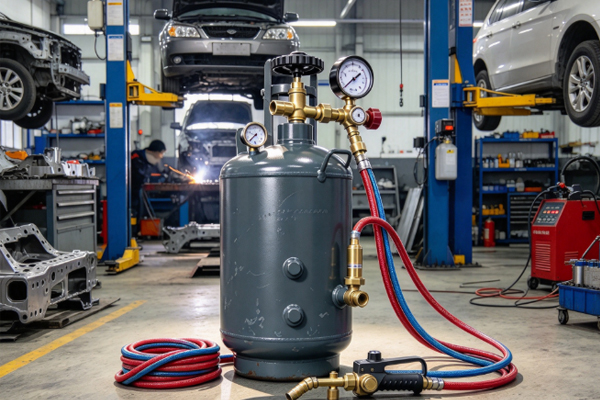
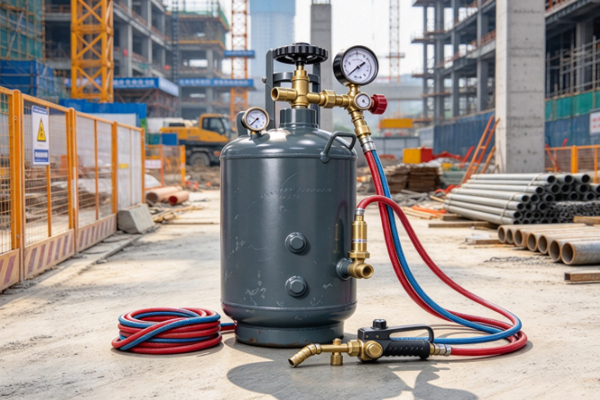
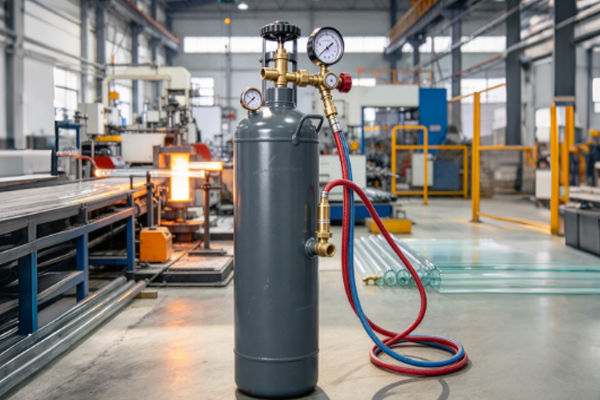
The precautions for opening an acetylene cylinder valve vary depending on the work environment. On construction sites, cylinders should be securely fastened to prevent movement or vibration that could place stress on the valve. In automotive repair workshops, cylinders should be positioned away from vehicle exhaust systems, electrical sparks, and hot engine components. In metal fabrication facilities, ventilation systems should operate continuously to prevent the accumulation of combustible gases. For outdoor applications, cylinders should be protected from direct sunlight, heavy rain, and unstable ground conditions that could affect safe operation. Adjusting safety procedures according to the working environment helps maintain stable gas flow and improves operational reliability.
Safety Checks After Opening the Valve
Opening the valve is only one part of the operation. Continuous monitoring during use is equally important for maintaining safe and reliable performance. A few routine inspections can quickly identify abnormalities before they develop into serious problems.
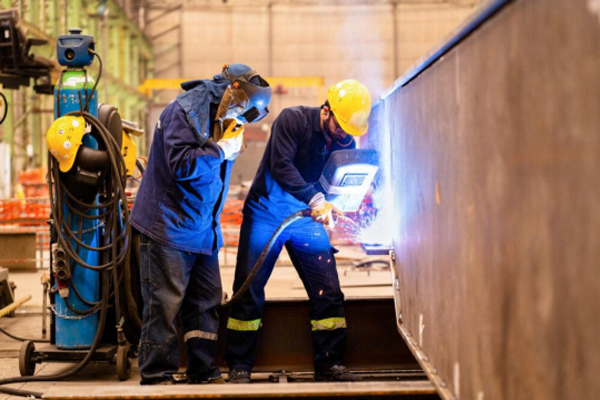
Begin by observing the cylinder and connected equipment immediately after gas starts flowing to verify that everything is functioning properly.
- Listen for unusual sounds:A continuous hissing sound may indicate a gas leak and should be investigated immediately.
- Observe flame stability:The flame should remain steady without frequent fluctuations or flashback.
- Monitor pressure readings:Stable pressure indicates normal operation, while sudden pressure drops may suggest leakage or equipment malfunction.
- Keep the cylinder in an upright position:Never use or store an acetylene cylinder horizontally, as proper positioning is essential for safe gas delivery.
- Close the valve correctly after use:When work is completed, close the cylinder valve first, release the remaining gas in the hose, and then shut down the equipment according to standard operating procedures.
After completing these inspections, the acetylene cylinder can continue operating safely and efficiently, reducing equipment wear while improving overall workplace safety and productivity.