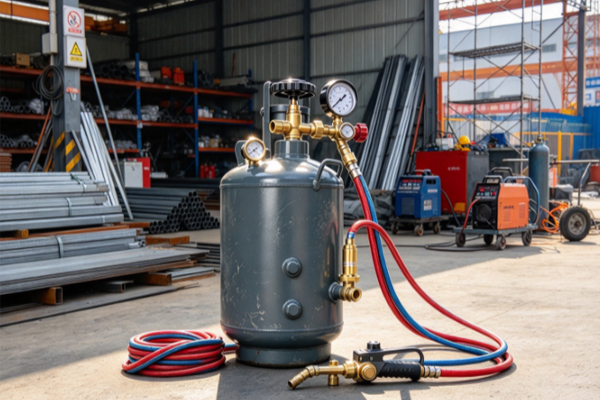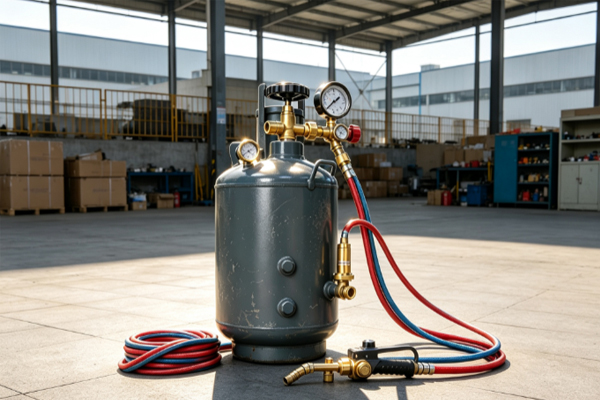
In metalworking and welding operations, the acetylene cylinder is a high-energy gas storage device. Its internal pressure and combustion characteristics require strict stability during use. Any minor structural issue or connection defect can be amplified during operation, potentially affecting both safety and efficiency. For this reason, a complete inspection before use is an essential step to ensure safe and stable working conditions.
Working Principle and Structural Inspection of Acetylene Cylinders
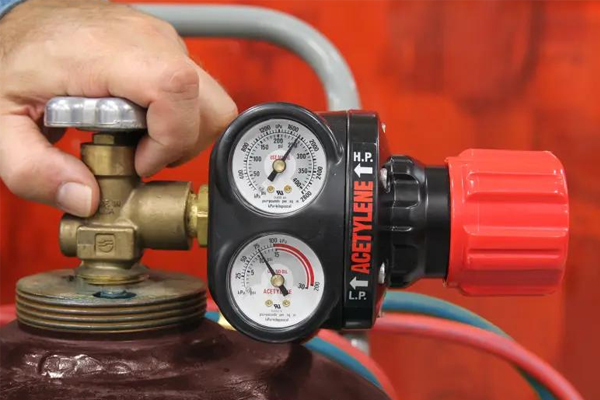
An acetylene cylinder operates through a high-pressure gas storage and regulated output system. Gas is released through a valve, passes through a pressure regulator, and is then delivered in a controlled flow to the working end. Due to the highly flammable nature of acetylene, the sealing performance and pressure-bearing structure must remain in excellent condition before use.
During inspection, the cylinder body should be checked for dents, bulges, or visible impact marks, as these may indicate internal structural stress. The valve should rotate smoothly without sticking or excessive looseness, as poor valve control can affect gas regulation accuracy. The regulator connection point must also be examined to ensure thread integrity and secure fitting. In addition, the sealing ring should be checked carefully, since aging or deformation is a common cause of gas leakage.
Usage Value and Safety Importance of Acetylene Cylinders
Acetylene cylinders play a critical role in welding and metal cutting applications. Their high-temperature flame and concentrated heat output make them suitable for precision metal processing tasks. Because of this, equipment condition directly affects both operational quality and safety performance.
After proper inspection, gas output becomes more stable and flame combustion remains consistent, improving welding accuracy and cutting efficiency. Early detection of leakage risks also significantly reduces fire hazards, especially in confined or semi-enclosed environments. A stable operating condition reduces downtime and minimizes frequent adjustments during work, while also helping extend the lifespan of key components such as valves and regulators.
Advantages and Necessity of Pre-Use Inspection (Key Points)
Performing a systematic inspection before using an acetylene cylinder is not only a safety requirement but also an important step to ensure operational stability. It helps identify potential risks in advance and keeps the equipment in a controllable condition before high-pressure operation begins.
The inspection process typically begins with a general condition check, followed by detailed verification of key components.
- Leak detection: Apply soapy water to connection points and check for bubbles, which indicate possible leakage.
- Pressure verification: Read the pressure gauge to ensure the gas level is within a safe operating range.
- Connection stability check: Ensure hoses and regulators are tightly secured to prevent detachment under pressure.
- Valve operation test: Open and close the valve slowly to confirm smooth operation without resistance or sticking.
After completing these steps, a final confirmation is necessary to ensure the entire system remains stable and ready for use.
Application Scenarios and Risk Inspection Focus
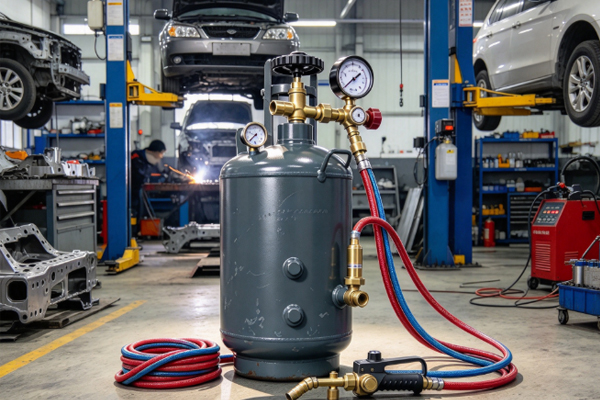
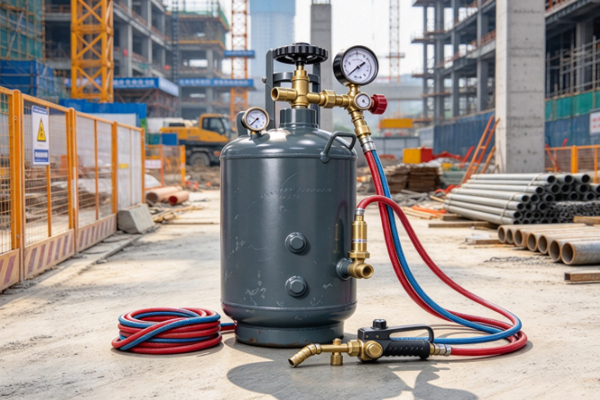
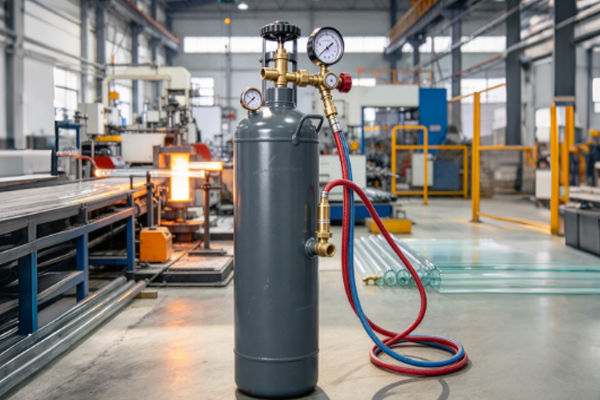
Acetylene cylinders are widely used in construction sites, automotive repair, and metal fabrication workshops. While different environments require different inspection emphases, the primary goal remains the same: ensuring safe and stable gas operation.
In outdoor environments, cylinders must be protected from direct sunlight and placed on stable ground to prevent tipping. In industrial workshops, ventilation conditions and fire source isolation must be checked carefully. In repair environments, special attention should be given to hose aging and connection integrity. Across all scenarios, the focus remains on preventing external factors from interfering with safe operation.
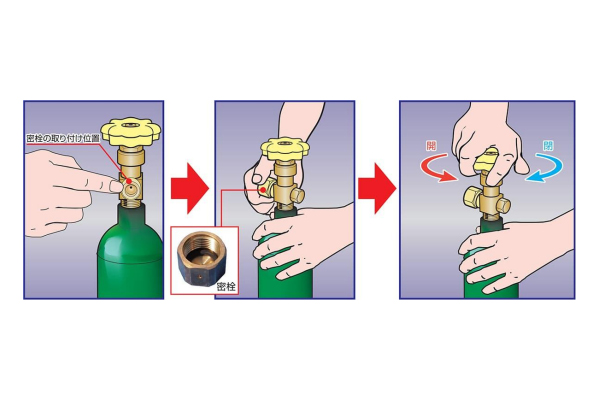
Usage Procedure and Complete Inspection Workflow (Key Points)
Before operating an acetylene cylinder, a standardized inspection workflow should be followed to ensure every step meets safety requirements and reduces operational risk.
The workflow starts with a basic visual inspection and gradually progresses into a full system check.
- External condition check: Confirm there is no deformation or damage, and that labels and markings are clear.
- Connection inspection: Ensure the regulator is firmly installed and the hose is tightly connected without wear or looseness.
- Leak test: Use soapy water to detect leakage and observe pressure stability through the gauge.
- Pre-operation preparation: Confirm proper ventilation, absence of ignition sources, and use of appropriate protective equipment.
After completing all steps, a final verification should be performed to ensure the cylinder is in stable condition before operation, ensuring safe and reliable use throughout the working process.