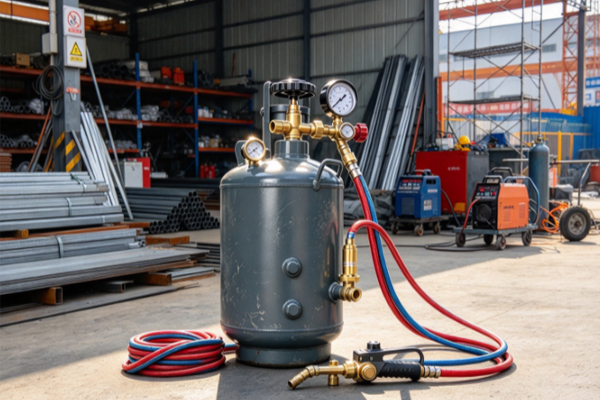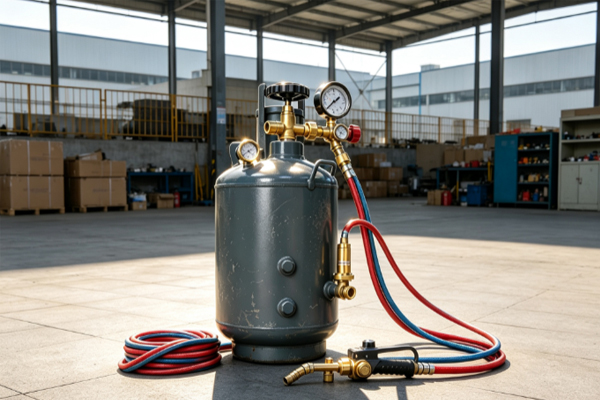
Acetylene cylinders are widely used in welding, cutting, and metal processing. Different specifications vary significantly in capacity, usage duration, and handling methods. Many buyers focus only on price when purchasing, while ignoring the actual usage environment and consumption conditions, which can easily lead to increased long-term costs or inconvenience in use. Understanding the characteristics of different acetylene cylinder sizes makes it easier to choose the most suitable type for specific needs and ensures a smoother and more stable usage experience.
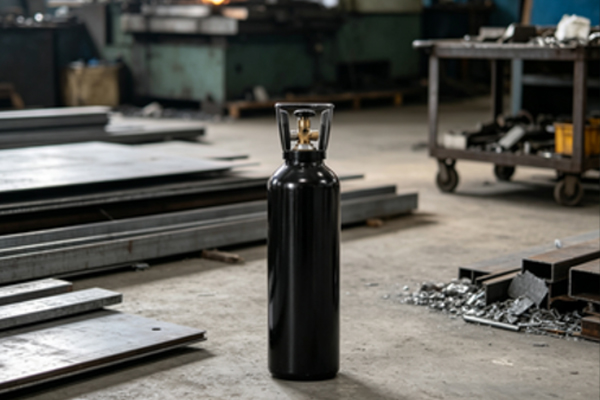
Cost-Effectiveness of Different Acetylene Cylinder Sizes
● Small Acetylene Cylinders (Portable Size)
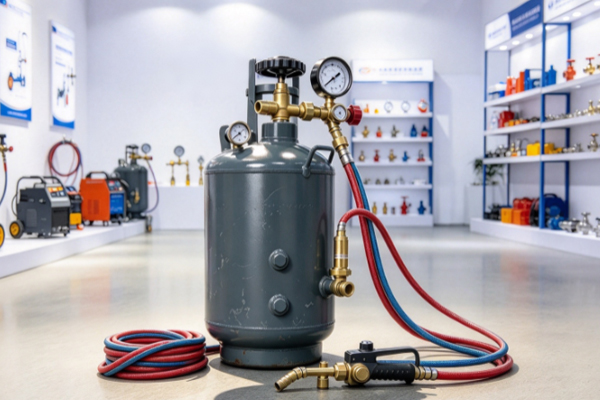
Small acetylene cylinders are commonly used in daily maintenance or temporary construction work. They are compact in size and relatively light in weight, making them easy to transport. Many individual users or small workshops prefer this specification due to its flexibility and the fact that it does not require complex storage conditions.However, due to limited capacity, the usage time is short and gas refilling is required more frequently. In terms of price, small cylinders have a relatively low entry cost, but the unit usage cost is not necessarily the most economical. Due to frequent replacement and increased transportation and refilling cycles, long-term expenses gradually accumulate. Their price is mainly influenced by cylinder material, safety inspection standards, and regional supply conditions, and there may be differences between manufacturers.
● Medium Acetylene Cylinders (Standard Industrial Size)
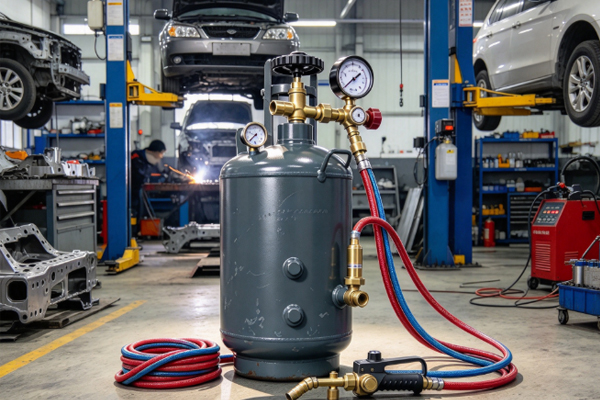
Medium acetylene cylinders are widely used in industrial environments. They are suitable for workshop processing, equipment maintenance, and medium-intensity welding and cutting operations. Their capacity is balanced—not as frequently replaced as small cylinders and not as heavy as large ones—providing a relatively stable user experience.The price of this specification generally falls within a mid-range level, including manufacturing costs, filling processes, and safety inspection expenses. Many enterprises choose medium cylinders for long-term use because they achieve a good balance between stability and cost. Although the initial investment is higher than small cylinders, their longer service cycle results in more stable overall costs.
● Large Acetylene Cylinders (High-Capacity Size)
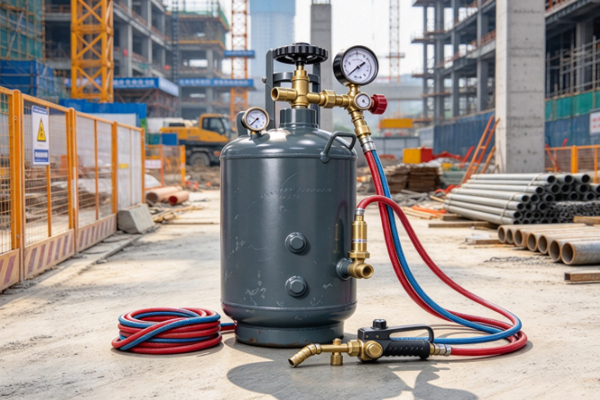
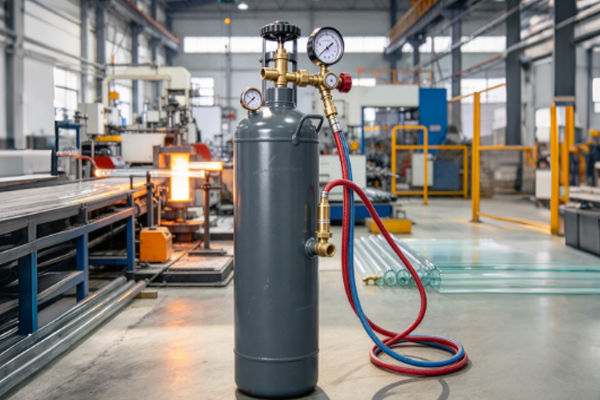
Large acetylene cylinders are suitable for continuous operation environments such as steel structure fabrication plants, large-scale maintenance sites, or long-term production lines. Their large capacity reduces the need for frequent replacement, ensuring smoother operation without interruptions caused by gas shortages.In terms of price, large cylinders are relatively more expensive. This includes not only the cost of gas itself but also additional expenses such as transportation, storage, and safety management. Due to their heavy weight, handling and management also require more resources. However, in high-frequency usage scenarios, their unit usage cost is lower, making them more cost-effective in the long run.
Reasons for Price Differences
● Influence of Materials and Manufacturing Standards
The manufacturing process of acetylene cylinders requires high-quality materials, typically high-strength steel capable of withstanding internal pressure. Different specifications vary in wall thickness design, structural reinforcement, and safety valve configuration, all of which directly affect production costs.During production, multiple safety inspections are required, such as pressure resistance testing and leak detection. Larger cylinders require more complex testing procedures, resulting in higher costs. Even for the same specification, differences in manufacturing processes between producers can lead to noticeable price variations.
● Changes in Filling and Transportation Costs
During the filling process, acetylene gas must undergo purification, compression, and multiple safety treatments. Different cylinder sizes also have different filling efficiencies. Small cylinders require frequent refilling, while large cylinders require more complex transportation and handling.Transportation is also a key factor affecting price differences. Large cylinders are heavy and require higher transportation standards and equipment, while small cylinders increase costs through higher frequency of delivery. Therefore, overall pricing changes depending on usage patterns and distribution processes.
Practical Considerations When Purchasing Acetylene Cylinders
● Usage Scenarios Determine Specification Selection
If usage is occasional maintenance or short-term work, small cylinders are more convenient and require less storage space. For continuous workshop operations, medium cylinders are more suitable as they reduce the need for frequent replacement. For long-term high-intensity environments, large cylinders are more appropriate. Although the initial investment is higher, they reduce downtime and improve overall efficiency. There is no absolute “best” choice—selection mainly depends on usage habits.
● Safety Inspection and Compliance Requirements
Acetylene is a flammable gas with strict safety requirements, so cylinders must undergo regular inspections. When purchasing, it is necessary to confirm whether the product complies with national standards and has complete inspection markings. It is also important to pay attention to inspection cycles. Using non-compliant cylinders not only poses safety risks but may also affect future refilling eligibility and usage permissions, so compliance must be a key consideration.
Frequently Asked Questions
Q: Why do prices vary significantly for the same cylinder specification?
Price differences are mainly related to manufacturer processes, steel quality, and gas purity during filling. Some manufacturers apply stricter safety inspections, resulting in higher costs. Transportation distance between regions also affects final pricing.
Q: Which size is suitable for household maintenance?
Household use typically has low frequency, so small cylinders are more suitable. They are compact, easy to operate, and convenient to store. For occasional welding or tool repair, small cylinders are generally sufficient.
Practical Example
For example, a small hardware repair shop mainly performs part welding and simple cutting tasks. A medium acetylene cylinder would be more suitable, as it can meet daily work requirements without frequent replacement.In contrast, large steel structure construction sites require long continuous cutting operations. They usually use large cylinders or multiple cylinders in rotation to reduce interruptions and ensure smoother workflow.Small cylinders are suitable for flexible use, medium cylinders for daily industrial operations, and large cylinders for high-intensity continuous production. Price differences come not only from capacity but also from manufacturing processes, transportation methods, and safety inspections. Focusing only on price may overlook actual usage costs, while considering usage frequency and working conditions leads to more stable and suitable choices.
The differences between acetylene cylinders of various specifications are reflected not only in price but also in overall user experience and cost. Small cylinders have lower initial costs but higher replenishment frequency; medium cylinders offer balanced performance and are widely used in industrial settings; large cylinders are suitable for continuous operations, reducing downtime and improving efficiency. During selection, focusing only on price can lead to underestimating long-term usage and management costs. By considering operational intensity, usage frequency, and safety conditions, users can choose the most appropriate specification, ensuring stable operation while avoiding unnecessary waste and repeated replacements.