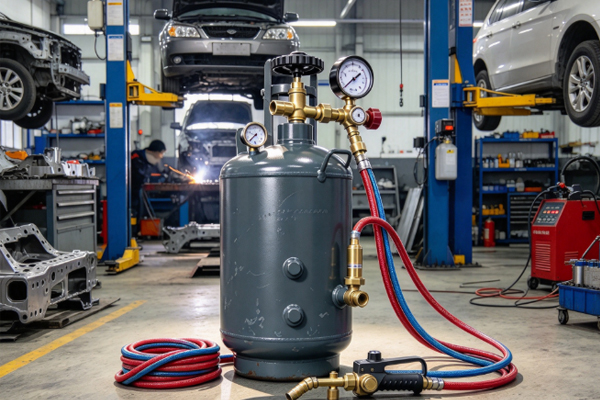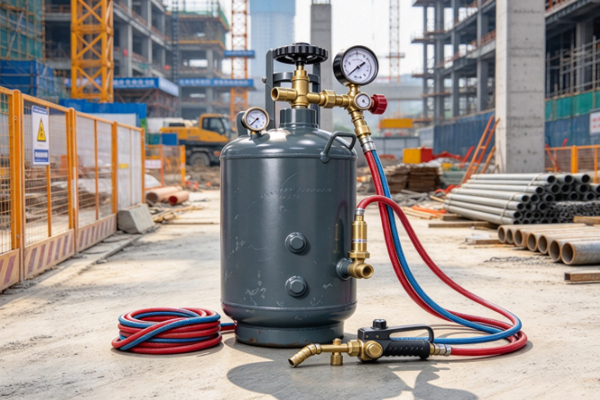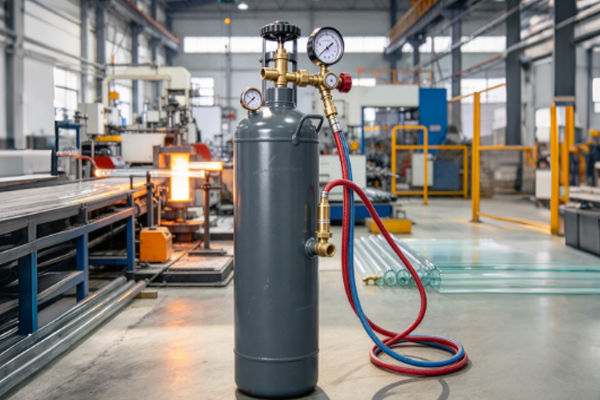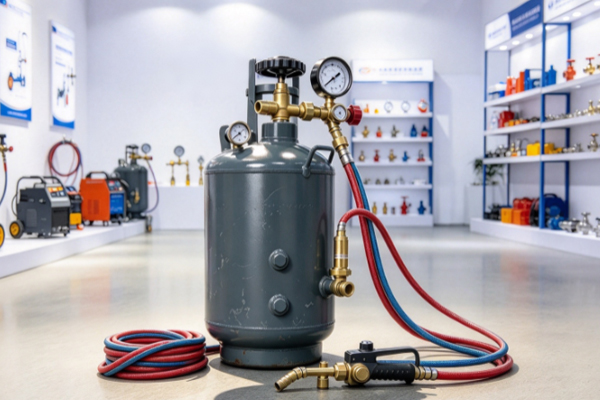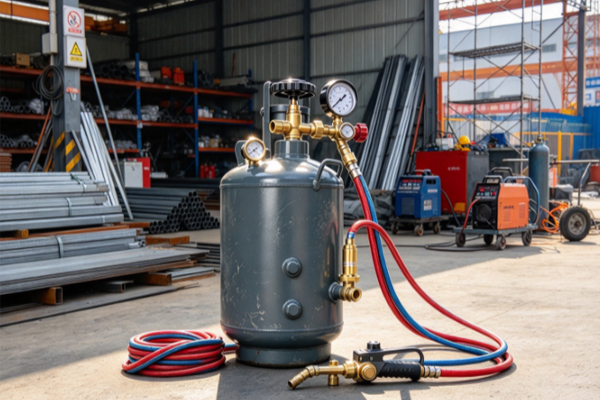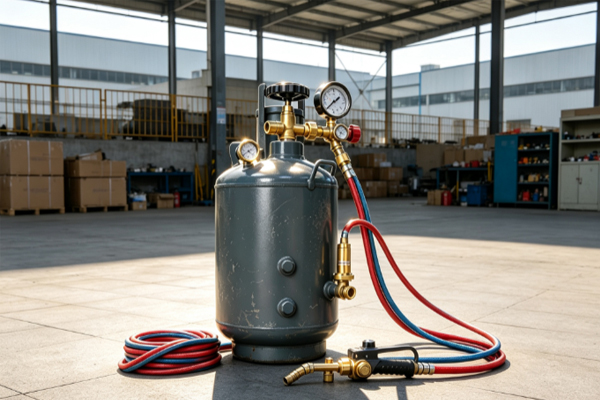
The connection between an acetylene cylinder and a welding torch is one of the most critical steps in an oxy-acetylene system. Proper connection directly affects flame stability, welding quality, and overall operational safety. Incorrect or loose connections may lead to gas leaks, flashback, or unstable flame behavior. Mastering the correct connection procedure ensures stable system performance and improves efficiency in welding and cutting operations.
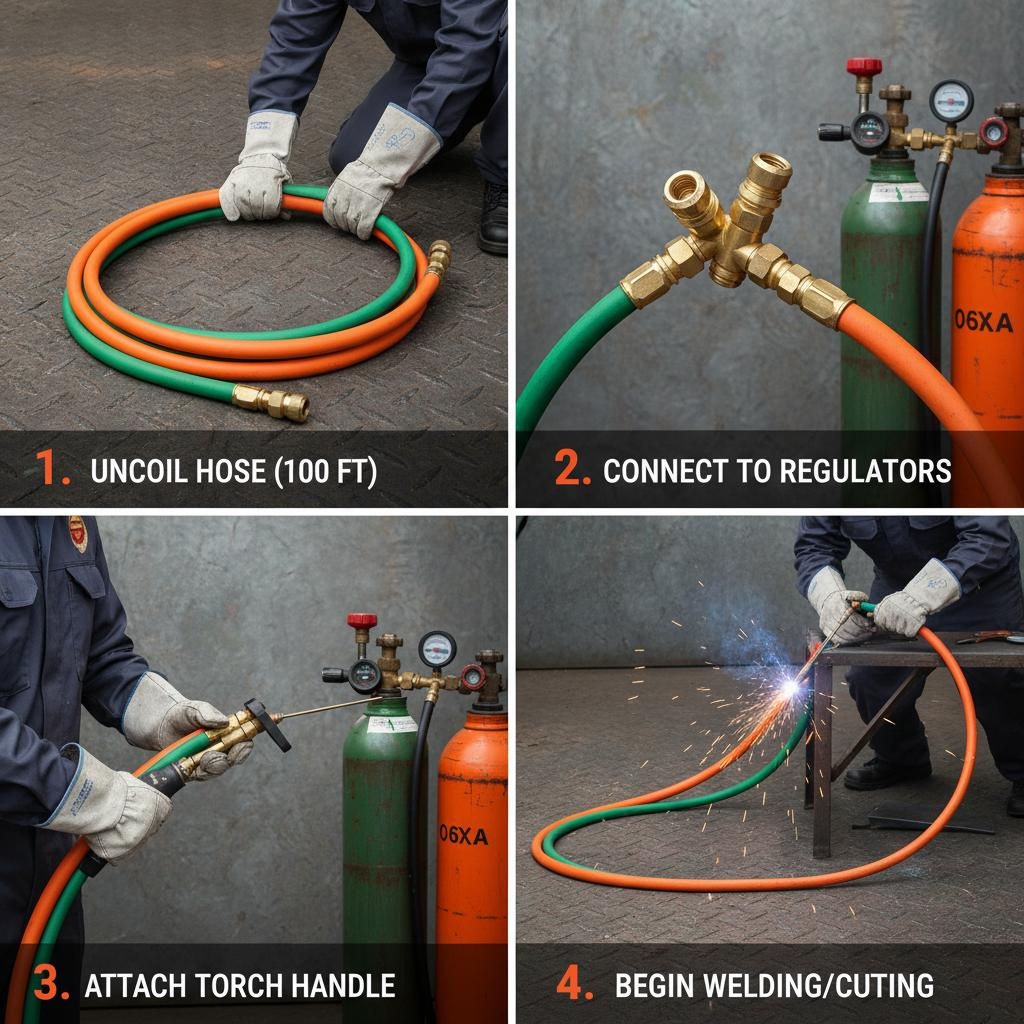
Working Principle of Connecting an Acetylene Cylinder to a Welding Torch
The acetylene gas inside the cylinder is regulated by a pressure regulator and reduced to a usable low pressure before being delivered through hoses to the welding torch. Inside the torch, acetylene mixes with oxygen in a controlled ratio and ignites to produce a high-temperature flame. The nozzle structure determines flame shape, while gas flow controls flame intensity. When the system is properly sealed and connected, gas delivery remains stable, producing a focused and consistent flame that improves welding pool control and cutting performance. Poor connection can disrupt gas ratios and negatively affect flame quality..
Practical Value of Correct Torch Connection
Proper connection between the acetylene cylinder and welding torch ensures stable gas output and consistent flame performance, which improves weld quality and cutting precision. In industrial production, a secure connection also reduces gas leakage, improves acetylene utilization efficiency, and lowers operational costs. In addition, stable connections reduce wear on regulators, hoses, and torch nozzles, extending the service life of the entire system. For continuous industrial operations, connection stability plays an especially important role in reducing downtime and maintaining productivity.
Standard Steps for Connecting an Acetylene Cylinder to a Welding Torch
Before starting the connection process, ensure that the cylinder valve is closed, the working environment is well ventilated, and no open flames are present. Following proper procedures helps reduce safety risks and ensures a stable gas supply system.
Follow these steps during connection:
- Inspect all connection components:Check the acetylene cylinder, pressure regulator, hoses, and torch fittings for cracks, aging, or looseness.
- Install the regulator and hoses correctly:Securely attach the regulator to the cylinder outlet and connect hoses using correct color coding to avoid mixing oxygen and acetylene lines.
- Tighten the torch connections:Align and tighten the hose connections to the torch inlet, ensuring sealing rings are intact to prevent gas leakage.
- Perform an initial gas flow check:Slowly open the cylinder valve and observe the pressure gauge response while checking for any leakage at connection points.
- Adjust gas flow and perform ignition test:Light the torch carefully and gradually adjust the oxygen and acetylene ratios until a stable flame is achieved.
After completing these steps, recheck all connections to ensure the system is safe for operation.
Common Applications of Acetylene Cylinder and Welding Torch Systems
Acetylene cylinder and welding torch systems are widely used in structural steel fabrication, automotive repair, shipbuilding, machinery manufacturing, and pipeline installation. In steel construction, they are used for cutting and welding structural components. In automotive repair, they are used for bodywork and metal heating. In shipbuilding and heavy industry, they are used for thick plate cutting and structural welding. Due to their portability, these systems are also suitable for on-site repair and emergency maintenance tasks, making them highly adaptable to various working environments.
Safety Inspection and Post-Connection Checks
After completing the connection, continuous inspection is necessary to ensure long-term system stability. Regular checks help reduce failure risks and maintain safe operation.
After connection, perform the following checks:
- Check for gas leaks at all joints:Apply a soap solution to detect bubbles at connection points.
- Verify flame stability:Ensure the flame is steady, without backfire or irregular fluctuations.
- Inspect hose condition:Check for bending, compression, or damage that may restrict gas flow.
- Monitor pressure gauge readings:Confirm that high and low pressure gauges remain stable during operation.
- Perform periodic re-inspections:During long operations, regularly check all fittings for tightness and safety.
By following proper connection and inspection procedures, the acetylene cylinder and welding torch system can maintain stable performance, ensuring reliable support for welding, cutting, and metal fabrication tasks.